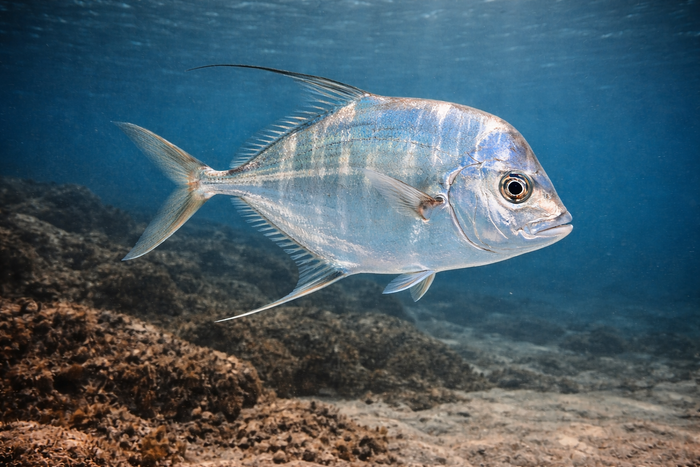
Redfin Needlefish (Strongylura notata): A Bold, Memorable Hook Line
The Redfin Needlefish slices through coastal waters with a sleek, razor-sharp silhouette and a flash of crimson that demands attention. It’s not just another needlefish—it’s a striking predator with a story worth knowing.
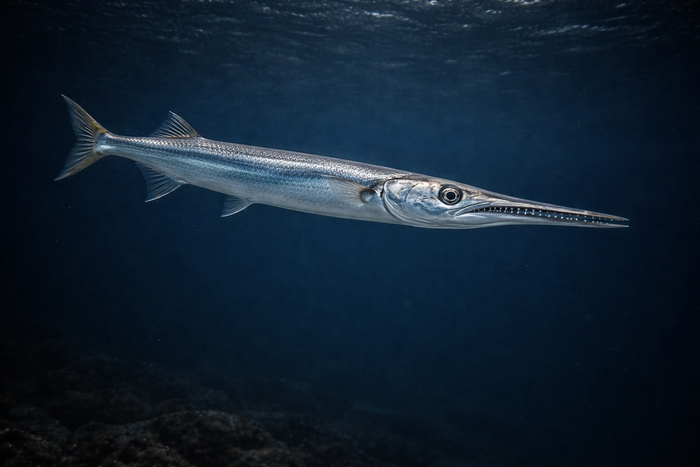
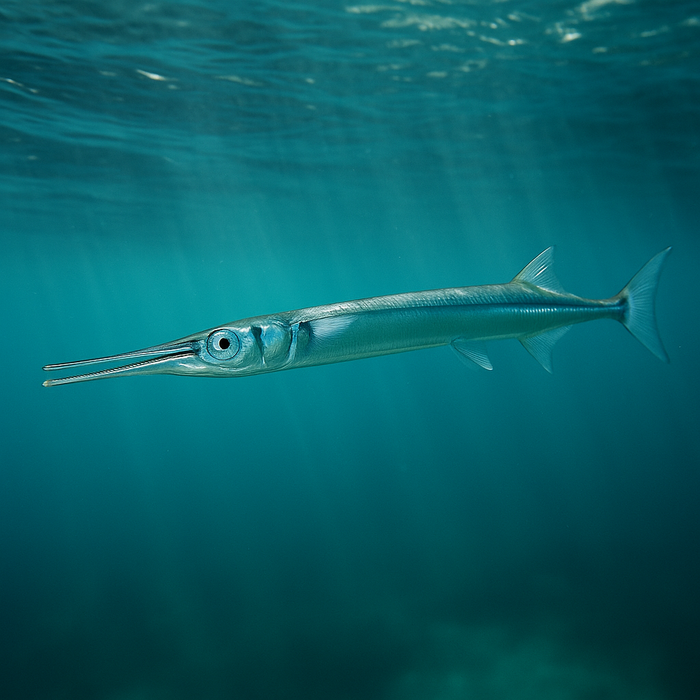
The Redfin Needlefish, Strongylura notata, is a standout species in the needlefish family. Known for its elongated body and distinctive red fins, this fish is a coastal specialist that thrives in shallow, warm waters. It’s a creature built for speed and precision, hunting smaller fish with a needle-like snout that’s as functional as it is intimidating. This guide dives deep into what makes the Redfin Needlefish a fascinating subject for anglers, marine biologists, and fish enthusiasts alike.
What Makes the Redfin Needlefish Unique?
The Redfin Needlefish isn’t just another slender fish with a pointy nose. Its most defining feature is the vivid red coloration on its fins, which contrasts sharply against its silvery body. This coloration is not just for show—it plays a role in communication and mating displays within its species.
Anatomically, the Redfin Needlefish is built for speed. Its long, streamlined body reduces drag, while its sharp, elongated jaws are packed with small, sharp teeth designed to snatch quick-moving prey. Unlike many fish that rely on ambush tactics, the Redfin Needlefish is a pursuit predator, darting through the water with precision.
Another unique trait is its surface-oriented lifestyle. Needlefish often swim just below the water’s surface, making them vulnerable to birds and fishermen but also giving them access to prey that inhabit the upper water column. Their ability to leap out of the water when startled or hunting adds an extra dimension to their behavior.
Habitat & Global Range
The Redfin Needlefish is primarily found in the western Atlantic Ocean, from the coastal waters of the southeastern United States down through the Caribbean and into parts of northern South America. Its preferred Redfin Needlefish habitat includes shallow bays, estuaries, mangrove-lined shores, and seagrass beds where it can hunt and hide effectively.
These fish favor warm, brackish to marine environments, often sticking close to the surface near shorelines. The mix of salt and freshwater in estuaries provides an ideal nursery ground for juveniles, while adults patrol the open waters nearby. Their presence in these habitats makes them a key player in coastal ecosystems.
Behavior & Temperament
Redfin Needlefish are fast, agile, and somewhat skittish. They tend to avoid large predators and human activity but can become bold when hunting. Their hunting strategy relies on quick bursts of speed to catch smaller fish, crustaceans, and occasionally squid.
Despite their aggressive hunting style, they are not territorial. They often form loose schools, especially during spawning seasons, which increases their chances of reproductive success and offers some protection against predators.
Their surface-skimming behavior means they are often seen darting just beneath the waterline, making them a favorite target for fly fishermen and light tackle anglers. However, their sharp teeth and sudden leaps require careful handling.
Ecological Importance
The Redfin Needlefish plays a critical role in coastal food webs. As mid-level predators, they help control populations of smaller fish and invertebrates, maintaining balance in their ecosystems. Their predation on juvenile fish can influence the population dynamics of commercially important species, indirectly affecting fisheries.
Additionally, they serve as prey for larger fish, seabirds, and marine mammals, linking lower and higher trophic levels. Their presence in estuarine environments also indicates healthy water quality and habitat conditions, making them a useful bioindicator species.
Conservation & Environmental Pressures
While the Redfin Needlefish is not currently listed as endangered or threatened, it faces several environmental pressures. Coastal development, pollution, and habitat destruction—especially the loss of mangroves and seagrass beds—pose significant risks to their populations.
Overfishing is not a major threat, as they are not a primary target species, but bycatch in commercial fisheries can impact local numbers. Climate change and warming ocean temperatures may also shift their range and affect reproductive cycles.
Protecting the Redfin Needlefish means preserving the delicate coastal ecosystems they inhabit. Conservation efforts focused on habitat restoration and pollution control will benefit this species and countless others that share its environment.
The FishyAF Take
The Redfin Needlefish is a prime example of a coastal predator perfectly adapted to its niche. Its sleek design, bold red fins, and surface-skimming lifestyle make it a fascinating subject for anyone interested in marine biology or fishing. Understanding Redfin Needlefish facts and their habitat sheds light on the intricate balance of coastal ecosystems.
This fish isn’t just a flashy catch; it’s a vital cog in the marine machine. Respecting its role and the threats it faces is crucial for maintaining healthy shorelines and fisheries. Next time you spot a flash of red fin slicing through the water, remember you’re witnessing a master of speed and survival, a true icon of coastal waters.