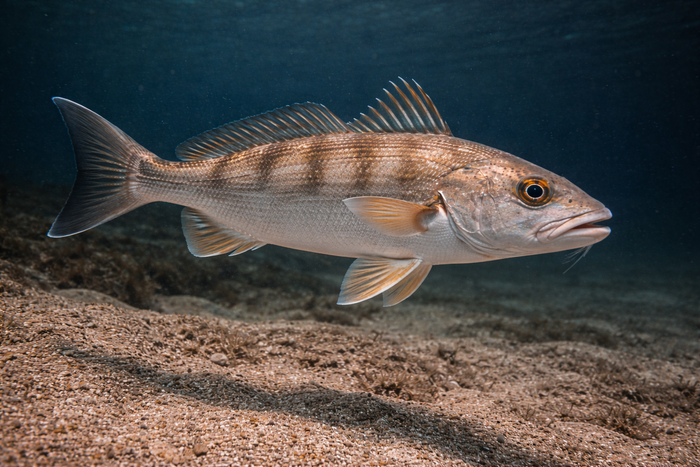
Pacific Needlefish (Strongylura exilis): The Slender Predator That Commands Coastal Waters
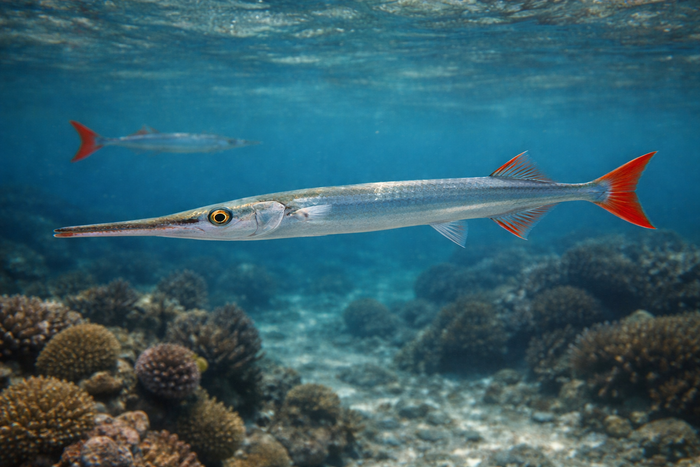
The Pacific Needlefish, Strongylura exilis, is a sleek, elongated predator that slices through coastal waters with precision and speed. Known for its needle-like jaw and lightning-fast strikes, this species stands out in the marine world for its distinctive shape and hunting prowess. If you’re diving into Pacific Needlefish facts, prepare to meet a fish that’s as fascinating as it is formidable.
What Makes the Pacific Needlefish Unique?
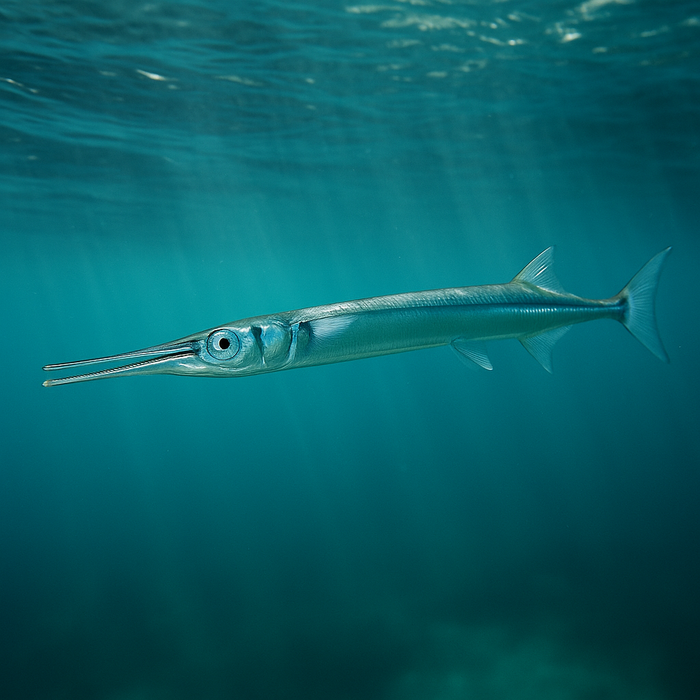
The Pacific Needlefish is all about streamlined efficiency. Its body is long and narrow, perfectly designed for quick bursts of speed and agile maneuvers near the water’s surface. The defining feature? An extended, pointed jaw lined with sharp teeth that resemble a needle—hence the name. This jaw isn’t just for show; it’s a precision tool for snatching small fish and crustaceans with deadly accuracy.
Unlike many fish that lurk in the depths, the Pacific Needlefish prefers the upper layers of the water column, often seen skimming just below the surface. This behavior, combined with its slender form, makes it a master of ambush. It can blend into sun-dappled waters and launch surprise attacks on unsuspecting prey.
Habitat & Global Range
Pacific Needlefish habitat spans the eastern Pacific coastline, from the temperate waters of California down through Mexico and Central America, extending as far south as Ecuador. They thrive in coastal environments where saltwater meets brackish estuaries, mangroves, and lagoons. These transitional zones provide abundant food and shelter, making them ideal hunting grounds.
This species is highly adaptable, tolerating a range of salinities and temperatures, which explains its broad distribution along diverse coastal ecosystems. You won’t find Pacific Needlefish far offshore; they prefer shallow waters where their hunting tactics and body shape give them the upper hand.
Behavior & Temperament
The Pacific Needlefish is a swift, opportunistic predator. It hunts primarily during daylight hours, using its keen eyesight to spot prey near the surface. Its diet consists mainly of small fish and invertebrates, which it captures with rapid lunges and precise strikes.
Despite its aggressive feeding style, the Pacific Needlefish is not territorial or overly aggressive toward other species. It often forms loose schools, especially during spawning seasons, which provides safety in numbers without the rigid social structures seen in other schooling fish.
One notable behavior is its tendency to leap out of the water, sometimes clearing several feet. This is thought to be an escape response to predators or a way to reposition quickly. Anglers should be cautious, as the sharp jaws can cause injury if handled improperly.
Ecological Importance
Pacific Needlefish play a crucial role in coastal food webs. As mid-level predators, they help regulate populations of smaller fish and invertebrates, maintaining ecological balance. Their presence indicates healthy estuarine and nearshore environments, as they rely on clean, productive waters for hunting and breeding.
They also serve as prey for larger predatory fish, seabirds, and marine mammals, linking lower and higher trophic levels. This makes the Pacific Needlefish a vital component in nutrient cycling and energy transfer within coastal ecosystems.
Conservation & Environmental Pressures
While not currently listed as endangered, the Pacific Needlefish faces threats from habitat degradation and pollution. Coastal development, mangrove destruction, and water contamination reduce the quality and availability of their preferred habitats. These environmental pressures can disrupt breeding grounds and food sources, impacting population stability.
Climate change adds another layer of challenge, altering water temperatures and salinity patterns that could shift their distribution or affect reproductive success. Monitoring Pacific Needlefish populations offers valuable insight into the health of coastal ecosystems and the broader impacts of human activity.
The FishyAF Take
The Pacific Needlefish is a prime example of evolutionary design meeting ecological function. Its slender form and needle-sharp jaw make it a standout predator in coastal waters, while its adaptability ensures it remains a fixture in a variety of habitats. For anglers and marine enthusiasts, understanding Pacific Needlefish facts means appreciating a species that’s both a skilled hunter and an important ecological player.
If you’re exploring Pacific Needlefish habitat or considering their role in your local ecosystem, remember this fish is more than just a surface skimmer. It’s a vital link in the chain, a sleek predator that commands respect and attention. Keep an eye out near estuaries and mangroves—you might just catch a glimpse of this needle-nosed marvel in action.