Houndfish (Tylosurus crocodilus): The Spear of the Sea That Commands Attention
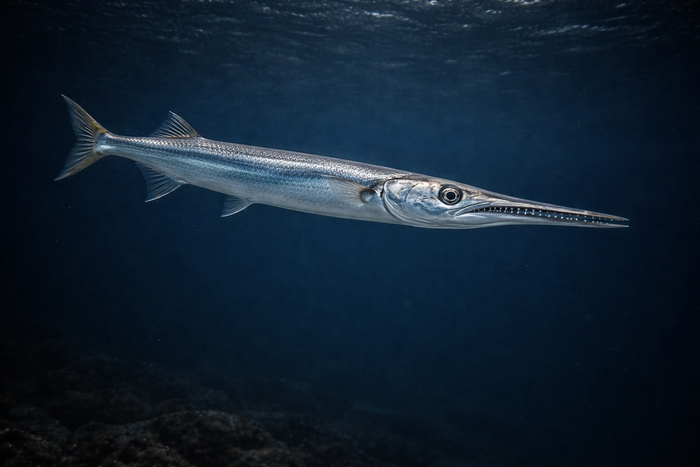
The houndfish is not your average ocean dweller. With a sleek, elongated body and a jaw full of needle-sharp teeth, this marine predator cuts through tropical and subtropical waters like a torpedo. Known scientifically as Tylosurus crocodilus, it belongs to the needlefish family but stands out with its aggressive hunting style and unmistakable silhouette. If you’re diving into the world of houndfish facts, prepare to meet a fish that’s as bold as its name suggests.
What Makes the Houndfish Unique?
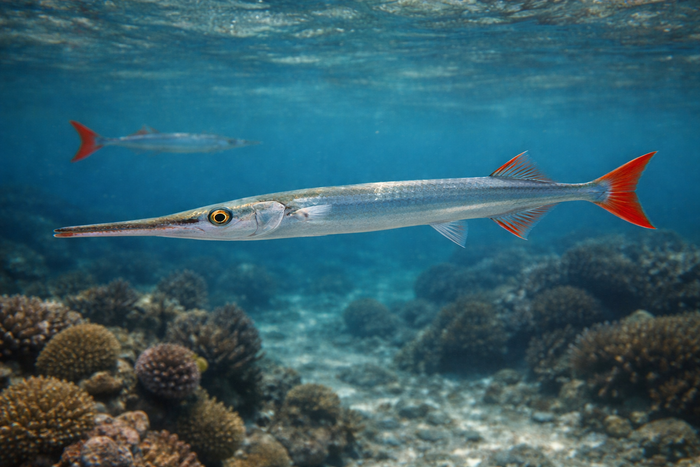
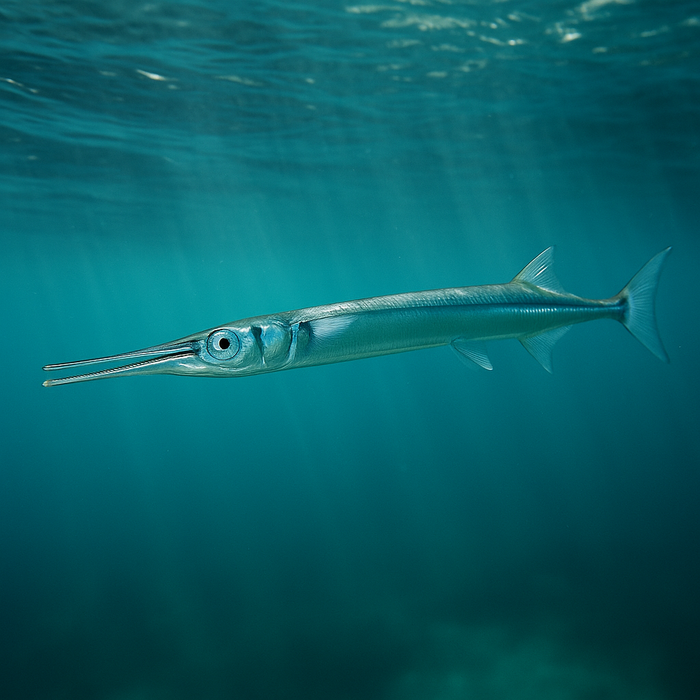
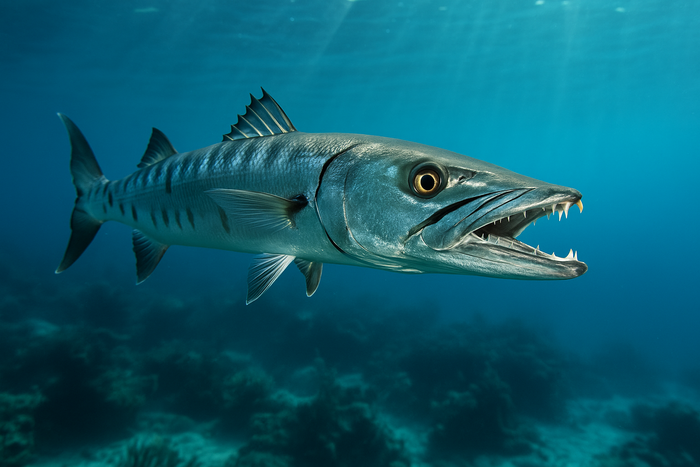
Houndfish are built for speed and precision. Their long, slender bodies taper into a pointed snout packed with razor-sharp teeth, perfect for snagging smaller fish in a flash. Unlike many needlefish, the houndfish can grow impressively large, sometimes reaching lengths over three feet. Its streamlined form is a masterclass in hydrodynamics, allowing it to slice through water with minimal resistance.
One of the most striking features is its habit of leaping out of the water, often gliding several feet above the surface. This behavior isn’t just a flashy escape tactic; it’s also a hunting strategy and a way to avoid predators. The houndfish’s ability to launch itself airborne makes it a thrilling sight for anglers and snorkelers alike.
Habitat & Global Range
Houndfish habitat spans warm coastal waters around the globe, primarily in tropical and subtropical regions. They are commonly found in the Atlantic Ocean, from the eastern coast of the United States down through the Caribbean and along the western coast of Africa. They also inhabit parts of the Indo-Pacific, including the Red Sea and the Indian Ocean.
These fish prefer shallow, nearshore environments such as coral reefs, mangroves, and seagrass beds. The complexity of these habitats provides ample hunting grounds and shelter. Houndfish are often spotted near the surface, patrolling the waters just below, where their streamlined bodies and sharp vision give them an edge in spotting prey.
Behavior & Temperament
Houndfish are aggressive predators with a hunting style that’s as direct as their appearance. They rely on speed and surprise, darting after smaller fish with lightning-fast bursts. Their sharp teeth ensure that once they catch their prey, there’s little chance of escape.
Despite their predatory nature, houndfish are not typically aggressive toward humans. However, their habit of leaping out of the water can pose a hazard to unwary swimmers or boaters. Anglers respect the houndfish for its fight and speed, making it a prized catch in sport fishing circles.
Socially, houndfish are often solitary hunters but can be found in small groups, especially during feeding frenzies. Their behavior is largely driven by the availability of prey and environmental conditions rather than complex social structures.
Ecological Importance
Houndfish play a crucial role in maintaining the balance of coastal ecosystems. As mid-level predators, they help regulate populations of smaller fish species, preventing any one group from dominating the habitat. This balance supports the health of coral reefs and seagrass beds by controlling herbivorous fish populations that might otherwise overgraze.
Their presence also indicates a healthy marine environment. Because houndfish require clear, warm waters with abundant prey, their numbers can reflect the overall condition of their habitat. Declines in houndfish populations may signal broader environmental issues such as pollution or habitat degradation.
Conservation & Environmental Pressures
While not currently listed as endangered, houndfish face several environmental pressures that could impact their populations. Coastal development, pollution, and habitat destruction threaten the coral reefs and mangroves they call home. Overfishing, both targeted and as bycatch, also poses risks, especially in regions where sport fishing is popular.
Climate change adds another layer of complexity. Rising sea temperatures and ocean acidification can disrupt the delicate ecosystems that support houndfish prey species. Changes in water quality and habitat availability may force houndfish to shift their ranges or face population declines.
Conservation efforts focused on protecting coastal habitats and regulating fishing practices are essential to ensure that houndfish continue to thrive. Monitoring their populations can provide valuable insights into the health of marine ecosystems at large.
The FishyAF Take
The houndfish is a standout species that demands respect. Its sleek design, aggressive hunting tactics, and impressive leaps make it a fascinating subject for anglers, marine biologists, and ocean enthusiasts alike. Understanding houndfish facts and their habitat is key to appreciating their role in the marine food web and the challenges they face.
If you’re looking to add a bit of edge to your knowledge of coastal predators, the houndfish is a perfect candidate. It’s a reminder that the ocean is full of creatures built for survival in dramatic, efficient ways. Keep an eye out for this spear-shaped speedster next time you’re near tropical waters—it’s a fish that’s impossible to forget.