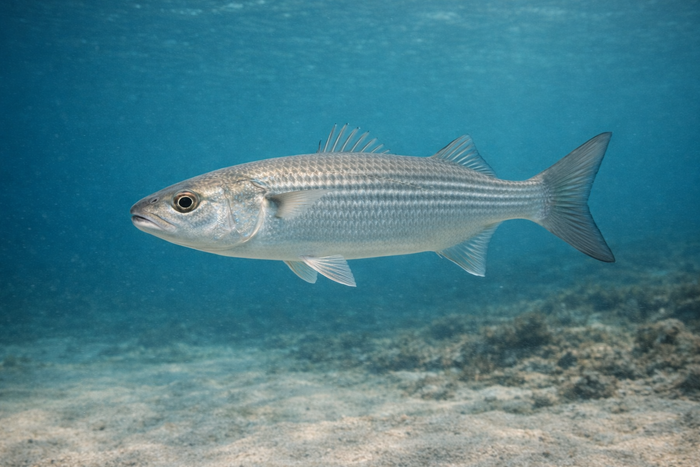
European Sea Bass (Dicentrarchus labrax): The Coastal Predator That Commands Respect
The European Sea Bass is no wallflower of the marine world. Known scientifically as Dicentrarchus labrax, this sleek predator has earned its reputation as a top contender in coastal waters across Europe. Whether you’re a seasoned angler, a marine biologist, or just a curious fish enthusiast, understanding the European Sea Bass means diving into a story of adaptability, resilience, and ecological significance. This guide unpacks the essential European Sea Bass facts and explores its habitat, behavior, and the challenges it faces today.
What Makes the European Sea Bass Unique?
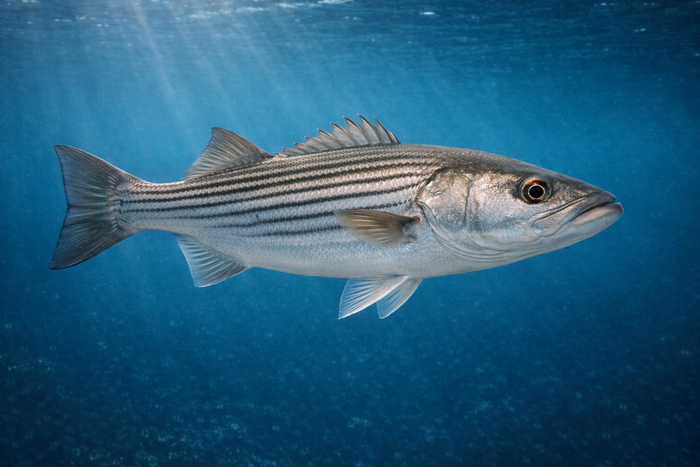
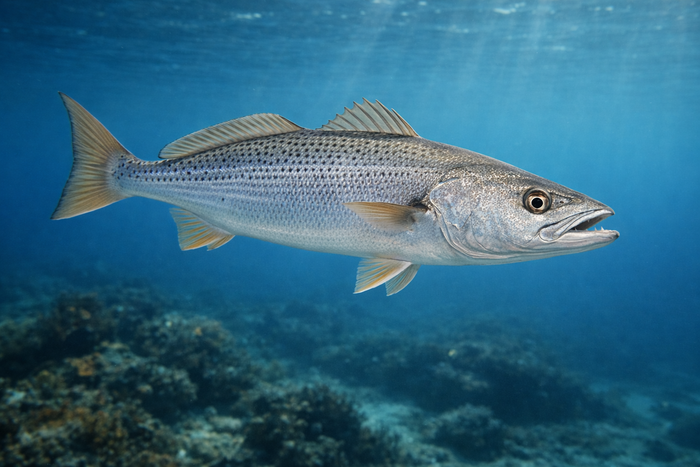
The European Sea Bass stands out with its streamlined body, silvery scales, and a mouth built for precision strikes. Unlike many fish that stick to one environment, this species thrives in both saltwater and brackish conditions, showcasing remarkable versatility. Its ability to tolerate a wide range of salinities is a key evolutionary advantage, allowing it to exploit estuaries, coastal lagoons, and open seas alike.
Physiologically, the European Sea Bass is equipped with two dorsal fins—the first spiny and the second soft-rayed—giving it agility and power during hunting. Its sharp teeth and strong jaw structure make it an efficient predator, feeding on smaller fish, crustaceans, and cephalopods. This adaptability in diet and habitat is a defining trait that sets it apart from many other coastal species.
Habitat & Global Range
The European Sea Bass calls the eastern Atlantic Ocean home, stretching from Norway’s chilly waters down to Senegal’s warmer coasts. It also frequents the Mediterranean Sea and parts of the Black Sea. This broad range is a testament to its tolerance for different temperatures and salinity levels.
European Sea Bass habitat is typically shallow coastal waters, estuaries, and lagoons. Juveniles often inhabit brackish waters where they find shelter and abundant food, while adults move into deeper coastal zones. These transitional habitats are crucial for their life cycle, providing nursery grounds that support population sustainability.
Seasonal migrations are common, with European Sea Bass moving offshore during colder months and returning to coastal areas as temperatures rise. This migratory behavior aligns with spawning cycles and food availability, underscoring the species’ finely tuned relationship with its environment.
Behavior & Temperament
European Sea Bass are opportunistic predators with a hunting style that combines stealth and bursts of speed. They often patrol near the seabed or around underwater structures, waiting for the perfect moment to strike. Their diet is diverse, including small fish like sand eels and gobies, as well as crustaceans and squid.
Socially, European Sea Bass can be solitary or form small schools, especially during spawning seasons. Their temperament is generally cautious but curious, making them a challenging yet rewarding target for anglers. They exhibit territorial tendencies during breeding, defending nesting sites aggressively.
Their spawning behavior is particularly noteworthy. European Sea Bass spawn in deeper offshore waters during late winter to early spring. Females release eggs that drift with currents until larvae find their way to estuaries, where they grow before returning to the sea. This life cycle depends heavily on the availability and health of both offshore and coastal habitats.
Ecological Importance
The European Sea Bass plays a pivotal role in coastal ecosystems as both predator and prey. By controlling populations of smaller fish and invertebrates, it helps maintain a balanced food web. Its presence indicates healthy, productive waters, making it a valuable bioindicator species.
Moreover, European Sea Bass supports commercial and recreational fisheries across Europe. Its economic importance fuels local economies and cultural traditions, especially in Mediterranean countries where it is a culinary staple. Sustainable management of this species is critical not just for biodiversity but also for human livelihoods.
Conservation & Environmental Pressures
Despite its resilience, the European Sea Bass faces mounting pressures. Overfishing is the most immediate threat, driven by high demand and sometimes inadequate regulation. Juvenile catch rates can be particularly damaging, as removing young fish disrupts population replenishment.
Habitat degradation compounds these issues. Coastal development, pollution, and climate change alter the estuaries and lagoons vital for juvenile survival. Rising sea temperatures and ocean acidification also impact spawning success and food availability.
Conservation efforts focus on establishing catch limits, protecting nursery habitats, and monitoring populations. Marine protected areas and seasonal fishing bans during spawning periods are tools being employed to give European Sea Bass populations a fighting chance.
The FishyAF Take
The European Sea Bass is a masterclass in adaptability and ecological balance. It’s a species that commands respect not just for its sporting challenge but for its integral role in marine ecosystems. Understanding European Sea Bass facts and its habitat is crucial for anyone invested in the future of coastal waters.
This fish is a reminder that resilience has limits. Overfishing and habitat loss threaten to tip the scales against it. Protecting the European Sea Bass means protecting the complex coastal environments it depends on—and by extension, the health of our oceans.
If you want to see this species thrive, support sustainable fishing practices and habitat conservation. The European Sea Bass is more than a prize catch; it’s a vital thread in the marine tapestry. Keep it wild, keep it balanced, and keep it FishyAF.