Finger Mullet (Mugil curema): The Coastal Cruiser with a Taste for Adventure
The Finger Mullet, scientifically known as Mugil curema, is a coastal fish that often slips under the radar despite its widespread presence and ecological significance. This species is a staple in many estuarine and nearshore environments, valued both by commercial fisheries and anglers. Its unassuming appearance masks a fascinating biology and behavior that make it a worthy subject for anyone serious about understanding coastal ecosystems. If you’re diving into Finger Mullet facts, prepare to discover a fish that’s more than just bait.
What Makes the Finger Mullet Unique?
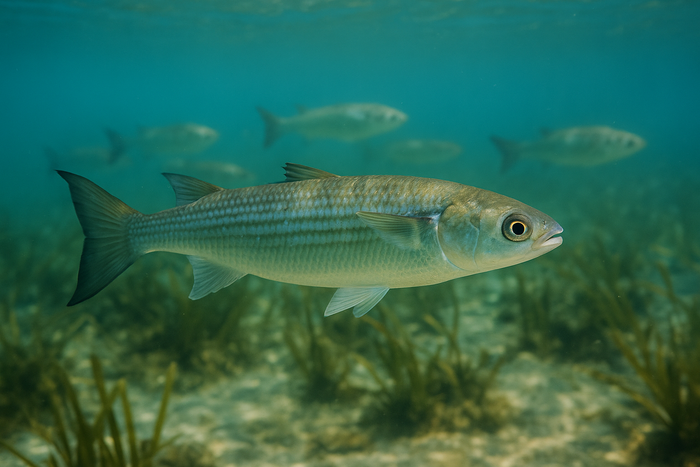
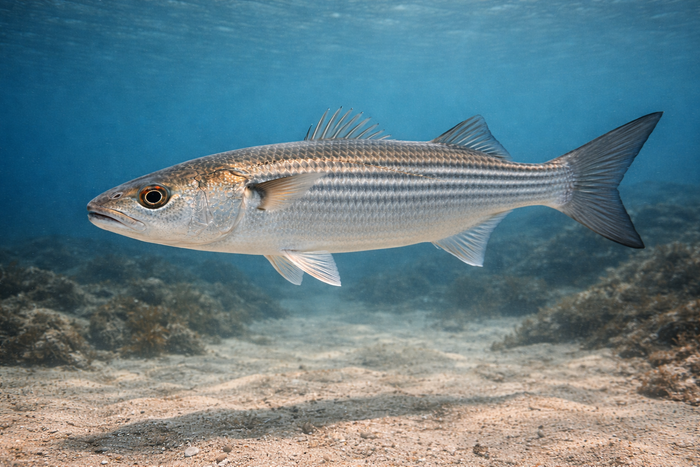
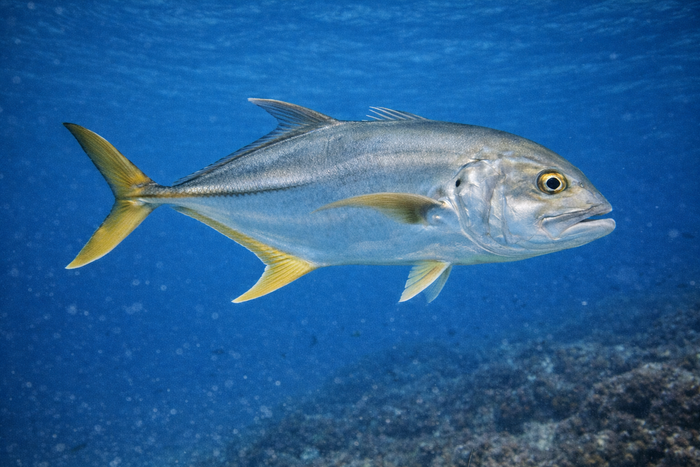
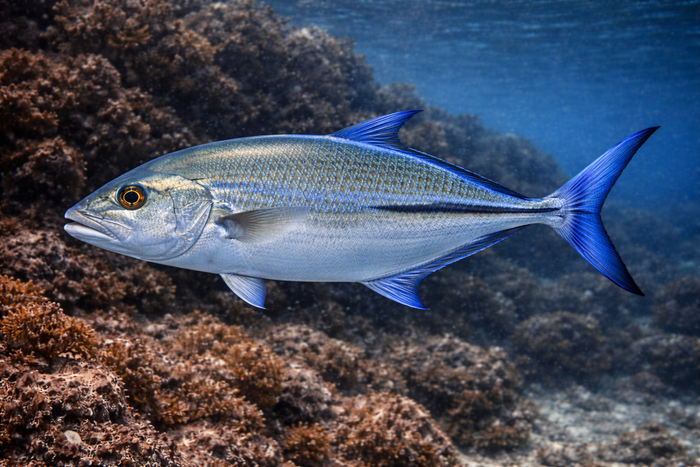
Finger Mullets stand out in the mullet family for their slender, streamlined bodies and distinctive fin structure. Unlike some of their bulkier cousins, their name comes from the elongated rays on their pectoral fins, which resemble fingers—hence the moniker. This anatomical feature isn’t just for show; it aids in precise maneuvering through complex habitats like mangroves and seagrass beds.
Another unique trait is their feeding strategy. Finger Mullets are detritivores and microphagous feeders, meaning they sift through sediment and organic matter to extract microscopic algae and detritus. This diet positions them as crucial recyclers in their ecosystems, breaking down organic material and maintaining sediment health. Their ability to thrive in both fresh and brackish water environments also sets them apart, showcasing impressive adaptability.
Habitat & Global Range
The Finger Mullet’s habitat is a study in coastal versatility. They inhabit subtropical and tropical waters along the western Atlantic, ranging from the eastern United States down through the Caribbean and along the coasts of Central and South America. Their preferred Finger Mullet habitat includes estuaries, lagoons, and coastal bays where freshwater mixes with seawater.
These fish are often found schooling near sandy or muddy bottoms, frequently in areas rich with seagrass or mangrove roots. This habitat choice provides both abundant food sources and protection from predators. Their tolerance for varying salinity levels allows them to exploit a wide range of environments, from nearshore marine waters to river mouths and even some freshwater stretches.
Behavior & Temperament
Finger Mullets are social fish, typically forming large schools that move in coordinated patterns. This schooling behavior reduces individual risk from predators and increases foraging efficiency. Their swimming style is steady and deliberate, often cruising just above the substrate as they feed.
Temperament-wise, Finger Mullets are neither aggressive nor territorial. They coexist peacefully with other species, making them a non-disruptive presence in mixed-species communities. Their cautious nature means they are quick to scatter when threatened, relying on speed and schooling to evade capture.
Ecological Importance
Finger Mullets play a pivotal role in coastal food webs. By consuming detritus and microalgae, they help recycle nutrients and maintain water quality. This feeding activity prevents the buildup of organic matter that could otherwise lead to hypoxic conditions detrimental to aquatic life.
Moreover, Finger Mullets serve as a vital food source for a variety of predators, including larger fish, birds, and marine mammals. Their schooling behavior makes them an accessible and reliable prey item, supporting the health and diversity of coastal ecosystems.
In commercial terms, they contribute to local fisheries, both as a direct catch and as baitfish supporting larger game species. Their presence is often an indicator of healthy estuarine environments, making them an important species for ecological monitoring.
Conservation & Environmental Pressures
While the Finger Mullet is not currently listed as endangered, it faces several environmental pressures that could impact populations if left unchecked. Habitat degradation, particularly the loss of mangroves and seagrass beds due to coastal development, poses a significant threat. These habitats are critical for feeding and shelter.
Pollution, especially from agricultural runoff and urban waste, can alter water quality and disrupt the delicate balance of estuarine ecosystems. Finger Mullets’ reliance on sediment and organic matter makes them vulnerable to contaminants that accumulate in these substrates.
Overfishing is a localized concern, particularly in areas where Finger Mullets are heavily targeted for bait or food. Sustainable management practices are essential to prevent population declines and ensure the species continues to fulfill its ecological role.
The FishyAF Take
The Finger Mullet is a classic example of a species that punches above its weight in ecological importance without demanding the spotlight. Its adaptability, unique feeding habits, and role in nutrient cycling make it a cornerstone of coastal ecosystems. For anglers and fisheries, it’s a dependable resource that supports larger catches and local economies.
Understanding Finger Mullet facts and habitat preferences is crucial for anyone invested in coastal conservation or fisheries management. Protecting their environments means safeguarding entire ecosystems that depend on this humble but vital fish. The Finger Mullet may not be flashy, but it’s a fish that deserves respect and attention for the big role it plays in the coastal game.