Green Sunfish (Lepomis cyanellus): The Feisty Fighter of Freshwater Ponds and Streams
The Green Sunfish is not your run-of-the-mill panfish. With its bold colors and aggressive attitude, it stands out in the crowded world of freshwater fish. Lepomis cyanellus is a species that commands attention, whether you’re an angler, an ecologist, or just a curious observer. Known for its vibrant greenish-blue hues and a mouth that seems too big for its body, this fish packs a punch far beyond its size. Understanding the Green Sunfish means diving into a story of adaptability, tenacity, and ecological significance.
What Makes the Green Sunfish Unique?
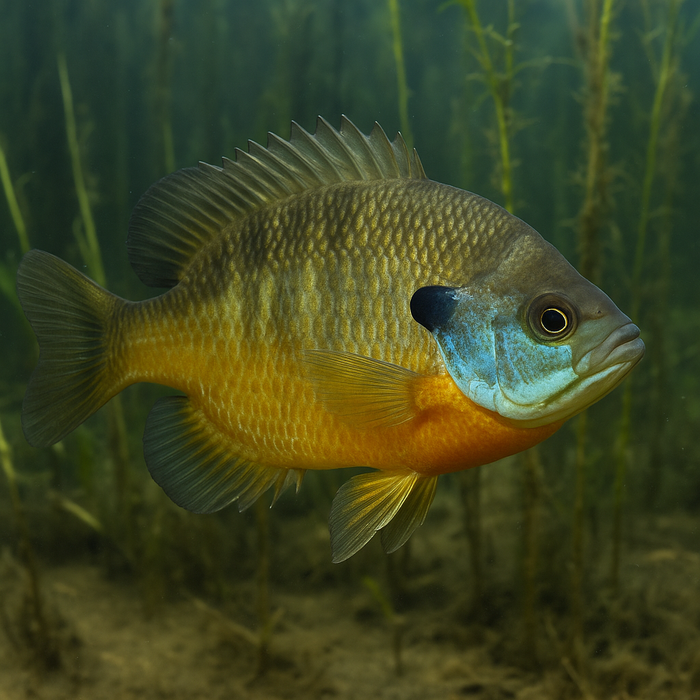
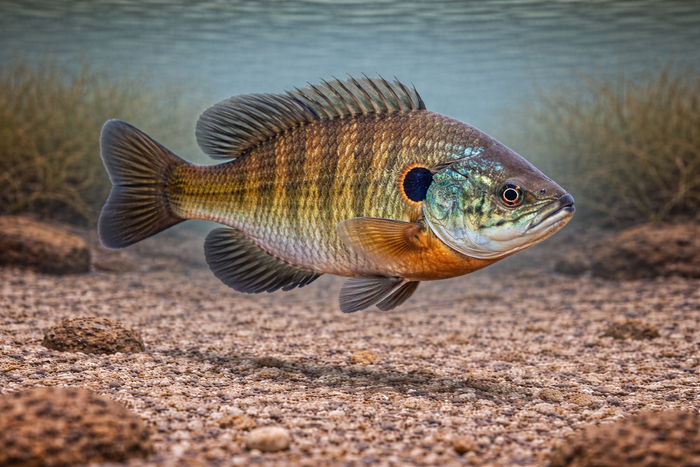
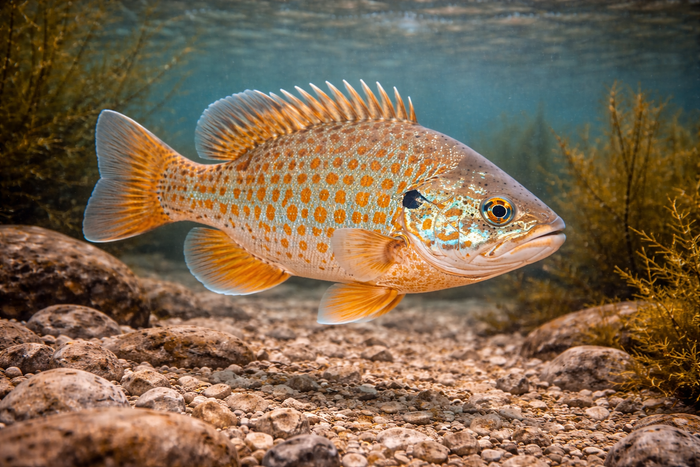
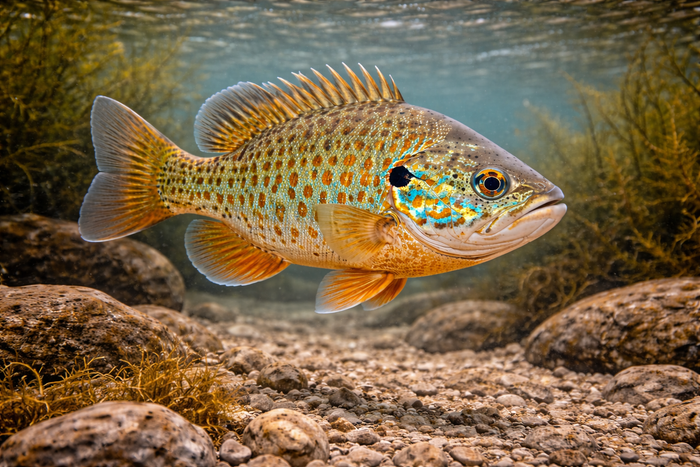
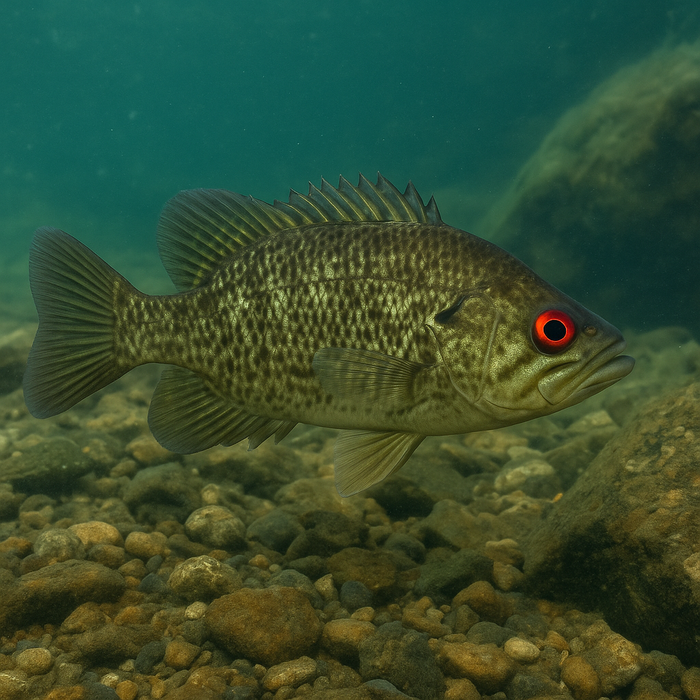
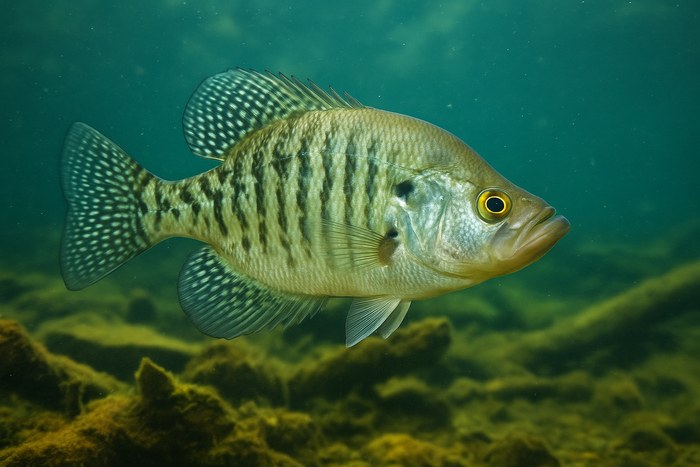
The Green Sunfish is a standout among sunfish species due to its distinctive coloration and robust build. Its body is marked by a mottled pattern of green, blue, and yellow, with a characteristic dark spot at the base of the dorsal fin and a bright blue streak on the gill cover. Unlike many of its relatives, the Green Sunfish has a notably large mouth, which allows it to tackle a wider variety of prey, from insects to smaller fish.
Its aggressive nature is another defining trait. This fish doesn’t shy away from confrontation, often defending its territory fiercely. This bold temperament makes it a formidable competitor in its environment and a challenging catch for anglers. The Green Sunfish’s adaptability to various water conditions and its opportunistic feeding habits contribute to its success across a broad range.
Habitat & Global Range
Green Sunfish habitat is remarkably diverse. Native to North America, particularly the central and eastern United States, this species thrives in slow-moving streams, ponds, lakes, and reservoirs. It prefers warm, shallow waters with abundant vegetation, which provides cover and feeding opportunities. Unlike some sunfish that require pristine conditions, Green Sunfish tolerate murkier waters and fluctuating oxygen levels, making them resilient in less-than-ideal environments.
Their range has expanded beyond native waters due to intentional and accidental introductions. This fish now inhabits parts of Canada and even some western U.S. states where it was introduced for sport fishing or pest control. The Green Sunfish’s ability to colonize new habitats is a testament to its hardiness and ecological flexibility.
Behavior & Temperament
Green Sunfish behavior is marked by territoriality and aggression. Males stake out nesting sites during breeding season, often in rocky or gravelly substrates, and defend these areas vigorously against intruders. This territorial defense extends beyond just other Green Sunfish; they will challenge larger fish and even other species encroaching on their space.
Feeding is opportunistic and varied. Green Sunfish consume insects, small crustaceans, minnows, and even amphibian larvae. Their large mouths give them an edge in capturing diverse prey. They are primarily visual feeders, relying on sight to hunt during daylight hours.
Socially, Green Sunfish are less schooling and more solitary or loosely grouped. Their aggressive tendencies mean they often maintain personal space, especially during breeding. This behavior influences their population dynamics and interactions with other fish species in shared habitats.
Ecological Importance
Despite their sometimes brash demeanor, Green Sunfish play a crucial role in freshwater ecosystems. As mid-level predators, they help control populations of insects and smaller aquatic organisms, contributing to the balance of food webs. Their feeding habits can influence the abundance and distribution of prey species, indirectly affecting water quality and vegetation.
Green Sunfish also serve as prey for larger fish, birds, and other wildlife, linking multiple trophic levels. Their nesting activities can modify the substrate, impacting habitat structure for other organisms. In ecosystems where they are native, they are integral to maintaining biodiversity and ecological stability.
Conservation & Environmental Pressures
Green Sunfish are not currently considered endangered or threatened, thanks to their adaptability and broad distribution. However, environmental pressures such as habitat destruction, pollution, and competition with invasive species can impact local populations. Urbanization and agricultural runoff degrade water quality, which can reduce suitable habitat and affect reproductive success.
In regions where Green Sunfish have been introduced, they sometimes disrupt native fish communities by outcompeting or preying on local species. This invasive potential calls for careful management to prevent ecological imbalance.
Conservation efforts focus on habitat preservation, water quality improvement, and monitoring population dynamics. Understanding Green Sunfish facts about their resilience and ecological role helps inform these strategies, ensuring this bold fish continues to thrive.
The FishyAF Take
The Green Sunfish is a freshwater fish that refuses to be overlooked. Its aggressive nature, striking appearance, and ecological versatility make it a fascinating subject for anglers and scientists alike. It’s a species that embodies survival through adaptability and attitude. Whether you’re casting a line or studying aquatic ecosystems, knowing Green Sunfish facts and appreciating their habitat preferences gives you insight into a fish that punches above its weight.
If you want a fish that’s as memorable as it is resilient, the Green Sunfish delivers. It’s a reminder that in the world of freshwater species, sometimes the boldest players shape the game.