Coppernose Bluegill (Lepomis macrochirus purpurescens): The Bluegill with a Copper Kiss You Won’t Forget
The Coppernose Bluegill is not your average sunfish. A striking subspecies of the common bluegill, this fish commands attention with its distinctive copper-colored snout and vibrant body hues. Known scientifically as Lepomis macrochirus purpurescens, it’s a freshwater staple that anglers and aquarists alike respect for its beauty and resilience. This guide dives deep into Coppernose Bluegill facts, revealing what sets it apart, where it thrives, and why it matters in aquatic ecosystems.
What Makes the Coppernose Bluegill Unique?
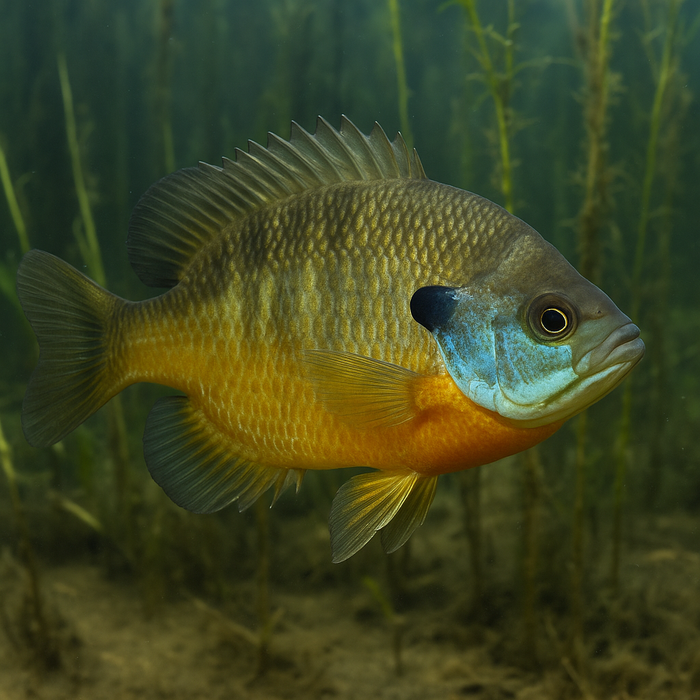
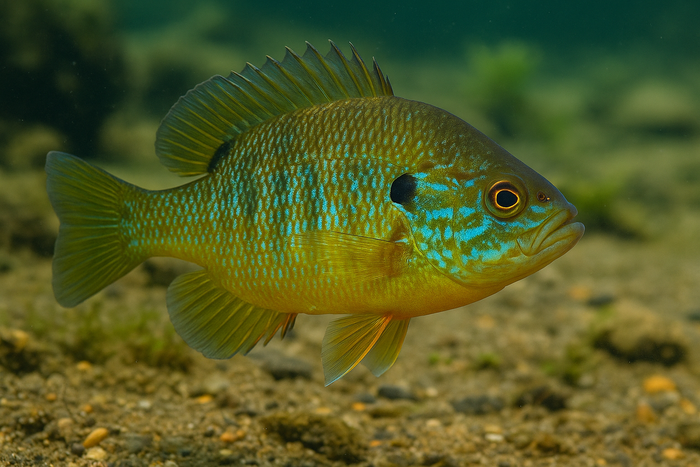
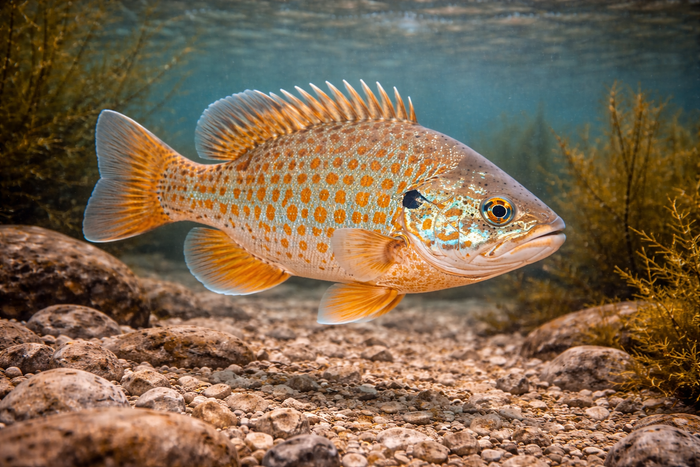
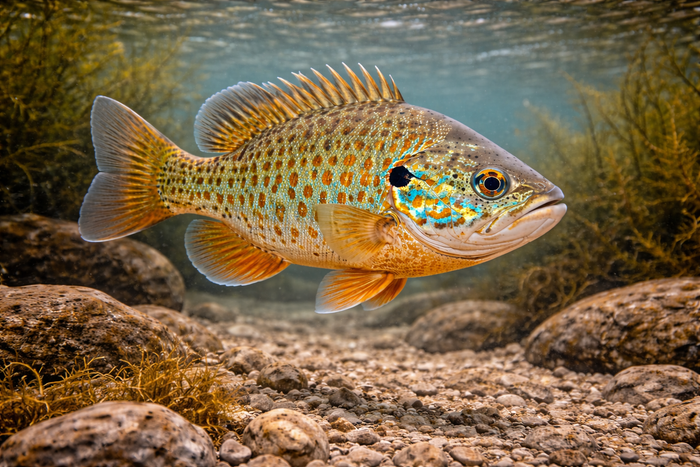
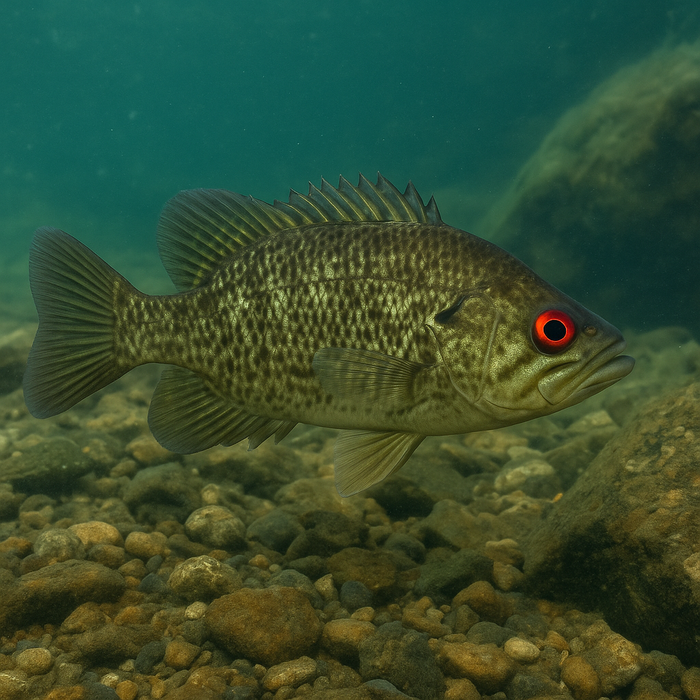
The standout feature of the Coppernose Bluegill is, naturally, its copper-colored nose—a rich, metallic orange-brown patch that contrasts sharply with its otherwise blue-green and yellow body. This coloration isn’t just for show; it plays a role in mating displays and territorial disputes. Compared to the common bluegill, the Coppernose tends to have a more elongated body and a slightly more aggressive demeanor.
Its fins often exhibit a purplish tint, adding to the visual appeal and making it a favorite among hobbyists who want a splash of color beyond the typical bluegill palette. The Coppernose Bluegill is also known for its adaptability to various freshwater environments, showing a tolerance for a wider range of temperatures and water conditions than some of its close relatives.
Habitat & Global Range
Coppernose Bluegill habitat primarily centers around the southeastern United States, with strong populations in states like Florida, Georgia, and Alabama. They favor warm, slow-moving waters such as ponds, lakes, and sluggish rivers with plenty of vegetation. The dense aquatic plants provide cover from predators and abundant feeding opportunities.
Unlike some sunfish that prefer clear water, Coppernose Bluegills can handle murkier conditions, which broadens their habitat range. Their ability to thrive in both natural and man-made water bodies has made them a common sight in stocked fishing ponds and reservoirs. While their native range is limited to parts of the U.S., they have been introduced elsewhere, sometimes with mixed ecological results.
Behavior & Temperament
Coppernose Bluegills are feisty little fighters. They defend their nests aggressively during spawning season, often chasing off much larger fish. This territorial nature makes them a challenge for anglers, especially when they’re guarding eggs or fry. Outside of breeding, they school in loose groups, which helps reduce predation risk.
Their diet is opportunistic and varied, including insects, small crustaceans, and plant matter. This omnivorous appetite supports their adaptability across different habitats. Coppernose Bluegills are diurnal feeders, most active during daylight hours, especially at dawn and dusk.
In captivity, they can be territorial but generally coexist with other similarly sized fish if given enough space and hiding spots. Their bold coloration and spirited behavior make them a standout in community tanks designed for native North American species.
Ecological Importance
Coppernose Bluegills play a crucial role in freshwater ecosystems. As mid-level consumers, they help regulate insect populations, including mosquitoes and other aquatic invertebrates, which can influence water quality and disease vectors. They also serve as prey for larger fish, birds, and mammals, forming an essential link in the food web.
Their nesting behavior aerates the substrate and promotes nutrient cycling in the sediment. By feeding on algae and detritus, they contribute to controlling excessive plant growth, maintaining a balanced aquatic environment. The presence of Coppernose Bluegills often indicates a healthy, functioning freshwater system.
Conservation & Environmental Pressures
While Coppernose Bluegills are not currently listed as endangered, their populations face challenges from habitat degradation, pollution, and invasive species. Urban development and agricultural runoff can alter water chemistry, reducing suitable habitat and food availability. Sedimentation and loss of aquatic vegetation also impact their breeding success.
Introduced predators and competitors, such as largemouth bass and non-native sunfish species, can disrupt local Coppernose populations. Climate change poses a long-term threat by shifting water temperatures and altering the hydrological cycles of their native habitats.
Conservation efforts focus on habitat restoration, pollution control, and responsible fishery management. Maintaining healthy Coppernose Bluegill populations supports broader ecosystem stability and recreational fishing industries.
The FishyAF Take
The Coppernose Bluegill is a fish that demands respect. Its vivid copper snout isn’t just a flashy feature—it’s a symbol of its adaptability and tenacity. For anglers, it offers a spirited fight and a chance to connect with a native species that’s as tough as it is beautiful. For conservationists, it’s a reminder that even common fish need healthy habitats to thrive.
Understanding Coppernose Bluegill facts and habitat preferences isn’t just trivia—it’s essential for managing freshwater ecosystems that millions depend on. Whether you’re stocking a pond, casting a line, or just appreciating the diversity of North American fish, the Coppernose Bluegill deserves a spot on your radar. It’s a bold splash of color and character in the world of sunfish, proving that sometimes the most memorable fish are the ones with a little extra copper in their nose.