Black Crappie (Pomoxis nigromaculatus): The Spotted Predator That Owns Freshwater
Black Crappie is not your average panfish. With its striking pattern of dark, irregular spots and a body built for stealth, this species commands attention in North American freshwater ecosystems. Known for its elusive nature and prized by anglers for its delicate flavor and challenging catch, the Black Crappie stands out as a freshwater icon. Whether you’re a seasoned angler or a curious naturalist, understanding the Black Crappie’s biology, behavior, and role in the ecosystem is essential for appreciating this bold, memorable fish.
What Makes the Black Crappie Unique?
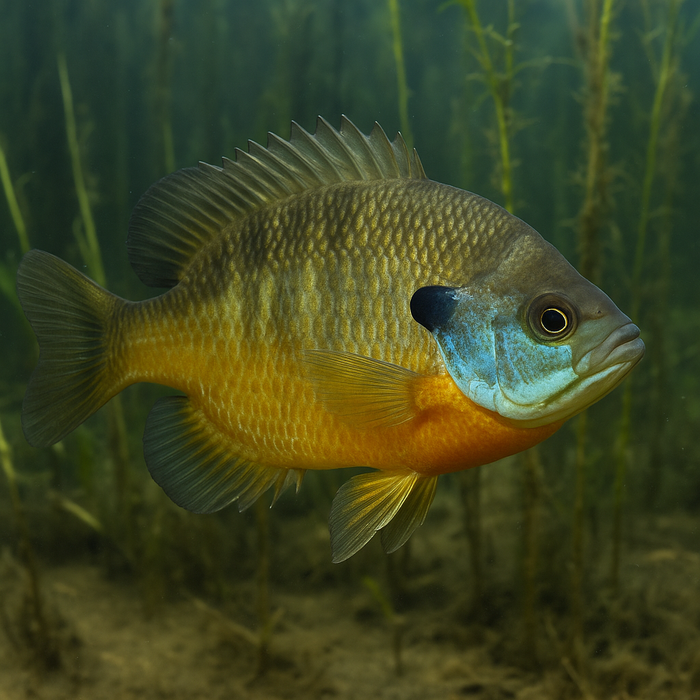
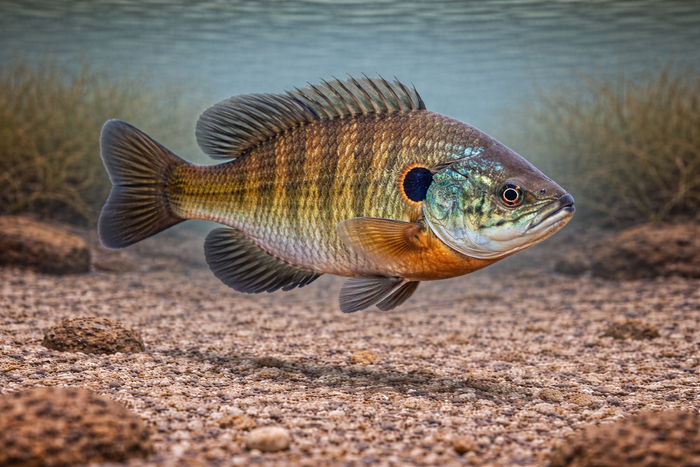
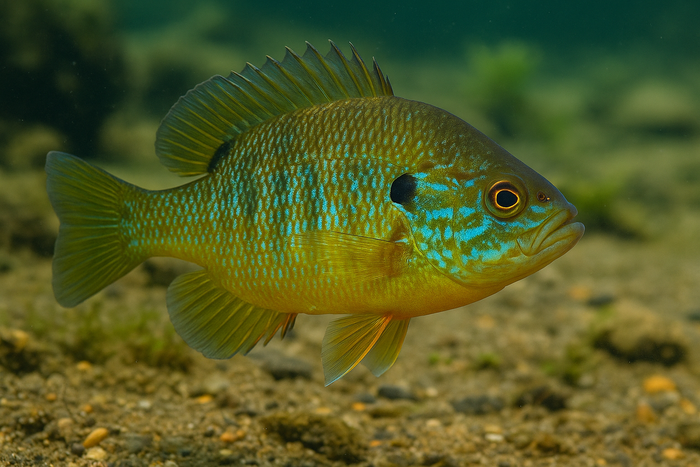
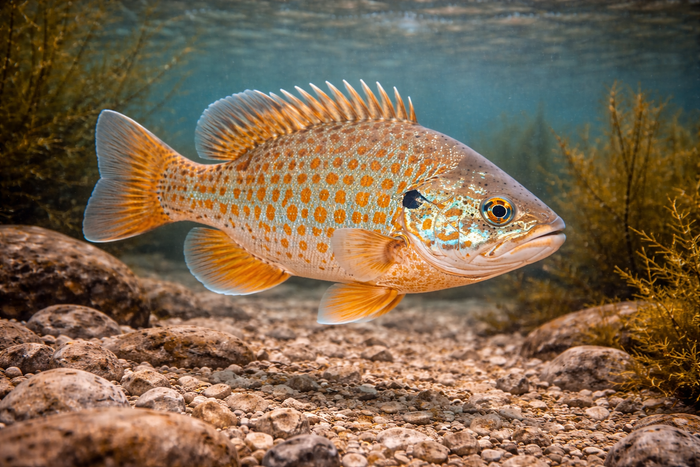
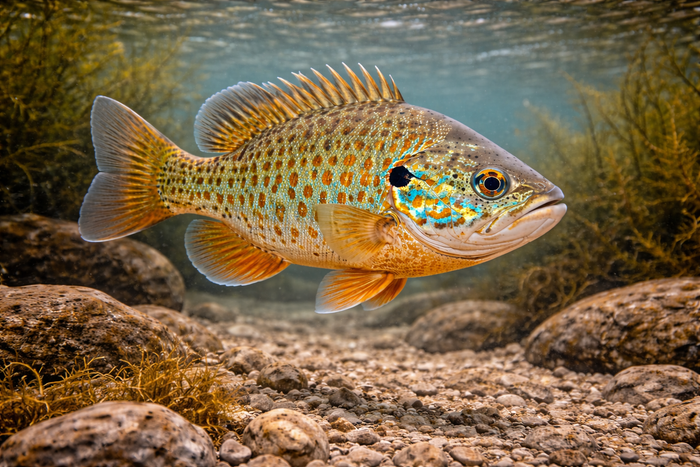
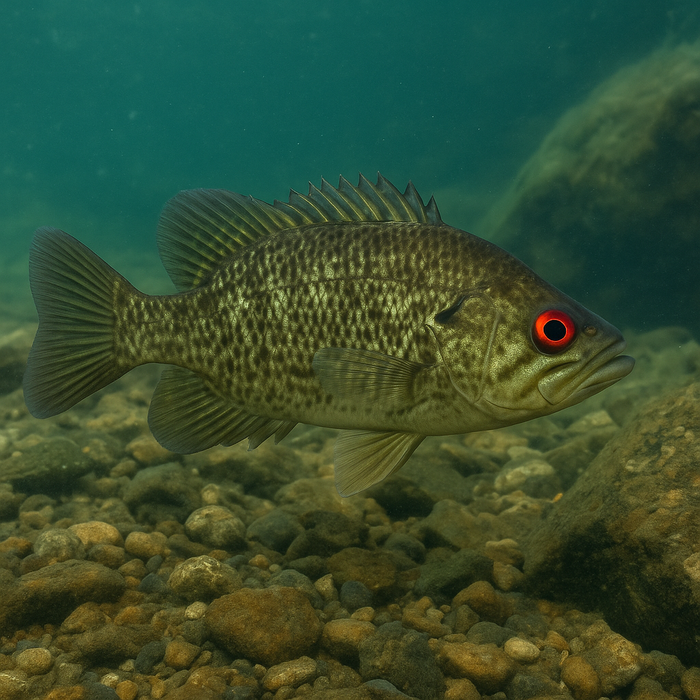
The Black Crappie’s signature feature is its intricate pattern of black spots scattered across a silvery-green body. Unlike its close relative, the White Crappie, which sports vertical bars, the Black Crappie’s spots create a camouflage effect that blends perfectly with submerged vegetation and shadowy waters. This pattern isn’t just for show—it’s a survival tool for an ambush predator.
Its body shape is deep and laterally compressed, allowing quick bursts of speed to snatch prey. Black Crappies have large mouths relative to their size, enabling them to consume a variety of prey including small fish, insects, and crustaceans. This adaptability in diet makes them formidable hunters in freshwater environments.
Another unique trait is their spawning behavior. Black Crappies build nests in shallow waters, often in colonies, which creates hotspots for anglers during the spring. Males guard the nests aggressively, ensuring the next generation gets a fighting chance.
Habitat & Global Range
Black Crappie habitat spans much of the freshwater lakes, reservoirs, and slow-moving rivers across the United States and southern Canada. They prefer clear, calm waters with abundant aquatic vegetation, submerged logs, or brush piles. These structures provide cover and hunting grounds, making Black Crappie habitat a complex underwater landscape.
Unlike some fish that tolerate murky or fast-flowing waters, Black Crappies thrive where visibility is good and the water temperature ranges between 68 and 75 degrees Fahrenheit. This preference limits their range to temperate zones but ensures they dominate their niche within those ecosystems.
Their distribution is primarily centered in the Mississippi River basin, Great Lakes region, and parts of the southeastern U.S., but they have been introduced in various other states to support recreational fishing. Wherever they go, they quickly establish themselves as a key species in local food webs.
Behavior & Temperament
Black Crappies are ambush predators with a reputation for being both cautious and opportunistic. They often school in midwater or near cover during the day, moving to shallower areas at dawn and dusk to feed. Their schooling behavior provides safety in numbers but also increases their effectiveness as hunters.
They are not aggressive toward humans or other large animals but will fiercely defend their nests during spawning season. Outside of breeding, they tend to avoid confrontation, relying on camouflage and quick escapes rather than outright aggression.
Their feeding habits are opportunistic. Black Crappies consume zooplankton when young, graduating to small fish and aquatic insects as they grow. This diet flexibility allows them to adapt to seasonal changes in prey availability, a key to their success in diverse freshwater habitats.
Ecological Importance
Black Crappies play a pivotal role in freshwater ecosystems. As mid-level predators, they help regulate populations of smaller fish and invertebrates, maintaining balance in the aquatic food web. Their predation controls species that might otherwise explode in number and disrupt habitat conditions.
They also serve as prey for larger game fish like bass and pike, making them an essential link in energy transfer within freshwater communities. This dual role as predator and prey underscores their ecological significance.
From a human perspective, Black Crappies contribute to recreational fishing economies and local food traditions. Their presence often indicates healthy water bodies with good vegetation and oxygen levels, making them a biological indicator for ecosystem health.
Conservation & Environmental Pressures
Despite their adaptability, Black Crappies face several environmental pressures. Habitat degradation from pollution, sedimentation, and shoreline development reduces the quality of their spawning and feeding grounds. Excessive nutrient runoff can lead to algal blooms, which deplete oxygen and harm aquatic vegetation critical for Black Crappie habitat.
Overfishing, especially during spawning aggregations, can impact local populations if not managed properly. However, most regions have implemented size and bag limits to maintain sustainable harvest levels.
Climate change poses a long-term threat by altering water temperatures and flow regimes. Warmer waters may push Black Crappies out of their preferred temperature range, affecting growth and reproduction. Additionally, invasive species can compete for food or introduce diseases.
Conservation efforts focus on habitat restoration, pollution control, and responsible fishing practices to ensure Black Crappie populations remain robust and resilient.
The FishyAF Take
Black Crappie is a standout species that commands respect in freshwater circles. Its unique spotted pattern, adaptable hunting style, and ecological role make it a fascinating subject for anglers and biologists alike. Understanding Black Crappie facts and habitat preferences is not just trivia—it’s the key to sustainable management and appreciation of this bold predator.
If you want to catch a Black Crappie, know that patience and knowledge of their behavior pay off. They aren’t pushovers but rewarding targets for those who understand their world. Protecting their habitat ensures future generations can enjoy the thrill of the catch and the ecological benefits they provide.
In short, the Black Crappie is more than just a fish; it’s a freshwater powerhouse with a story worth knowing.