Pumpkinseed (Lepomis gibbosus): The Vibrant Sunfish That Owns Every Pond It Touches
The Pumpkinseed is not your average sunfish. With its flashy colors and unmistakable profile, this fish commands attention wherever it swims. Native to North America, it has become a staple in freshwater ecosystems and a favorite among anglers who appreciate its feisty fight and striking appearance. Whether you’re a seasoned fisherman or a curious naturalist, understanding Pumpkinseed facts will deepen your appreciation for this bold, resilient species.
What Makes the Pumpkinseed Unique?
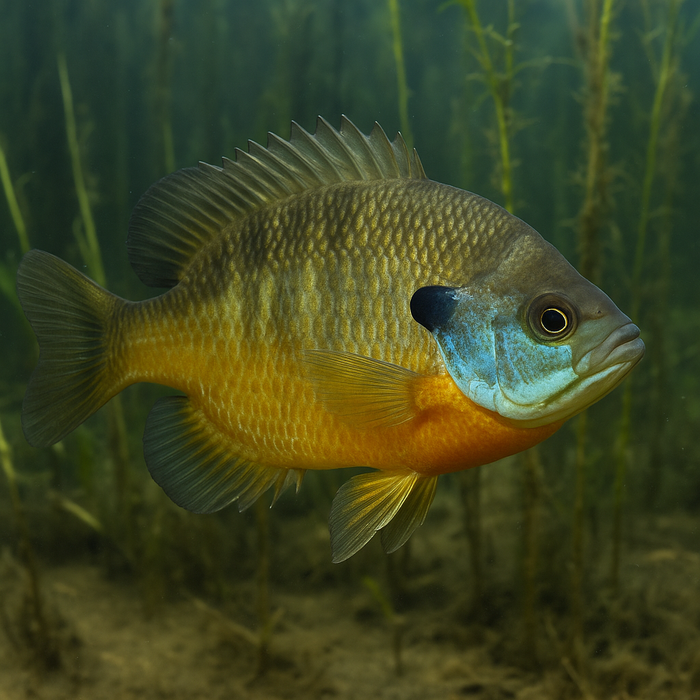
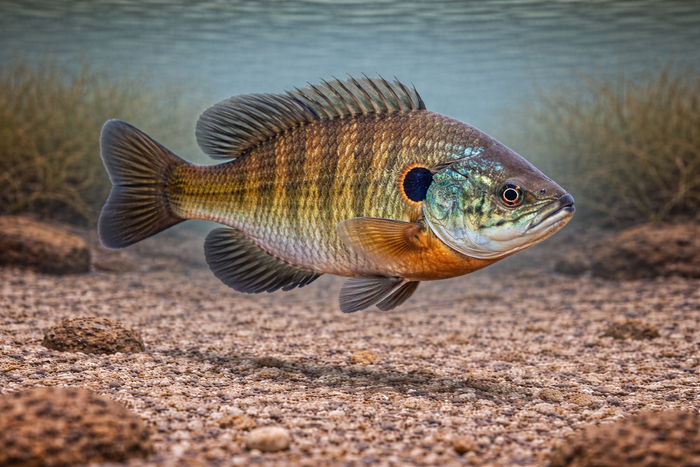
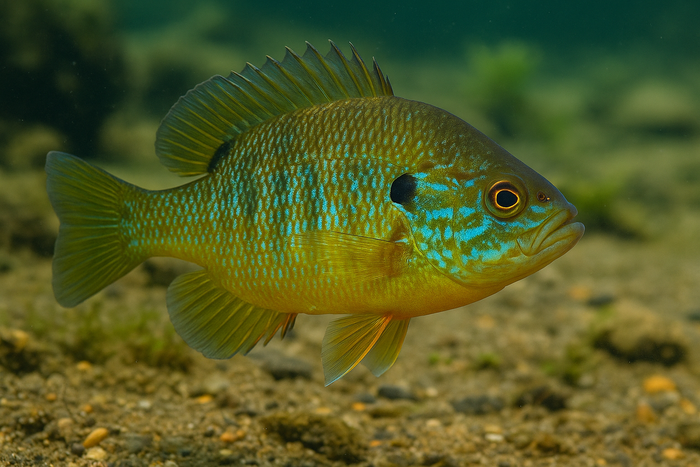
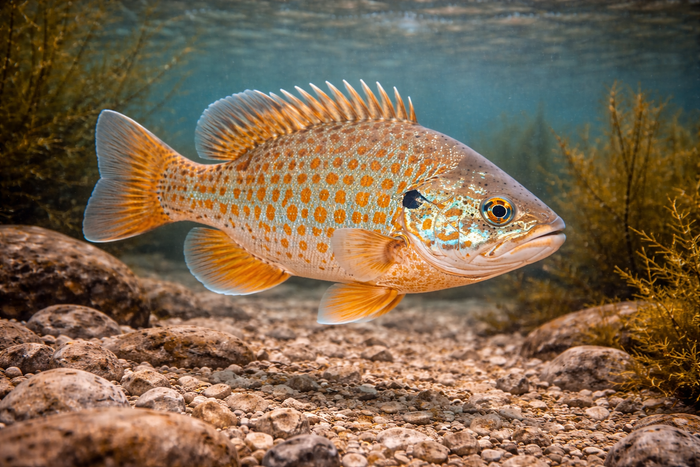
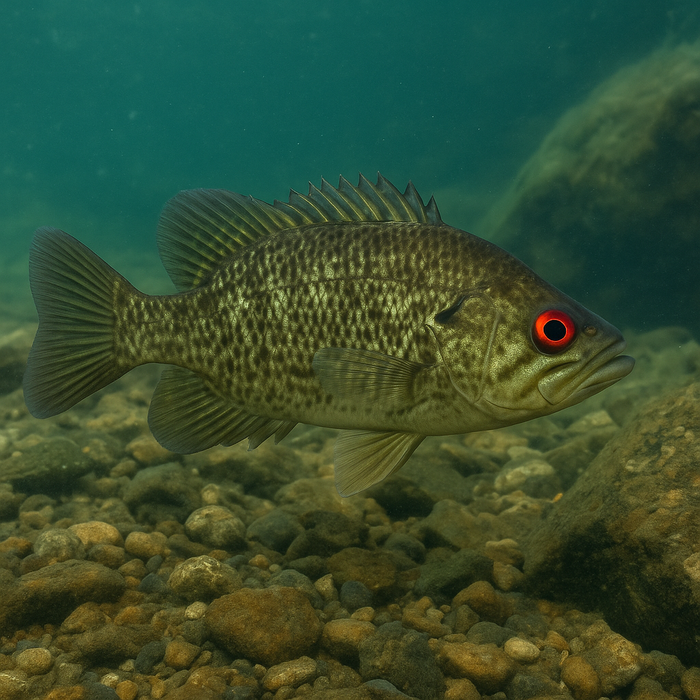
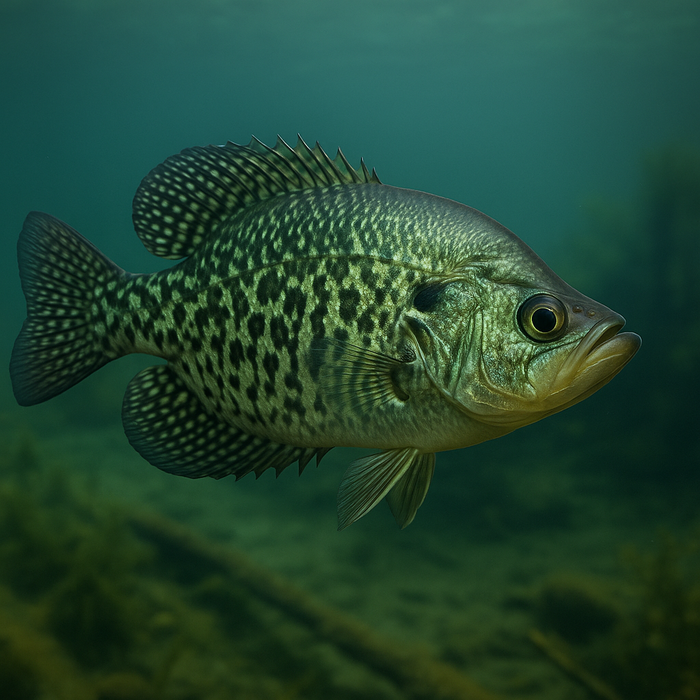
Pumpkinseeds stand out in the sunfish family thanks to their vivid coloration and distinctive body shape. Their bodies are a kaleidoscope of orange, yellow, blue, and green, with bright orange spots on their cheeks and a signature red or orange edge on their operculum (gill cover). This isn’t just for show; these colors play a role in communication and mating displays.
Physically, Pumpkinseeds have a deep, laterally compressed body that allows for agile movements in dense vegetation. Their small, sharp teeth and strong jaws enable them to crush hard-shelled prey like snails and crayfish. Unlike some sunfish, Pumpkinseeds have a more rounded dorsal fin and a less aggressive demeanor, but don’t mistake their size for weakness—they can be surprisingly scrappy when hooked.
Habitat & Global Range
Pumpkinseed habitat preferences are as versatile as their diet. They thrive in calm, vegetated waters such as ponds, lakes, and slow-moving streams. They favor clear water with abundant aquatic plants, which provide cover from predators and rich feeding grounds. Native to the eastern and central United States and parts of Canada, Pumpkinseeds have been introduced to various regions worldwide, including Europe and parts of Asia, where they’ve adapted well—sometimes too well.
Their ability to tolerate a range of temperatures and water conditions has made them successful invaders in non-native waters. In their native Pumpkinseed habitat, they play a crucial role in maintaining the balance of aquatic ecosystems by controlling invertebrate populations and serving as prey for larger fish and birds.
Behavior & Temperament
Pumpkinseeds are territorial but not overly aggressive. Males stake out nesting sites in shallow, gravelly areas during spawning season and fiercely defend their nests from intruders. Outside of breeding, they tend to be more social, often found in small groups.
Their feeding behavior is opportunistic and varied. Pumpkinseeds are omnivores, snatching insects, larvae, small crustaceans, and plant matter with equal enthusiasm. Their foraging strategy involves slow, deliberate movements through vegetation, using their keen eyesight to detect prey.
When hooked, Pumpkinseeds put up a spirited fight, darting in quick bursts and using their agility to evade capture. This makes them a popular target for anglers seeking a lively challenge without the need for heavy tackle.
Ecological Importance
Pumpkinseeds are a vital link in freshwater food webs. By feeding on a wide range of invertebrates, they help regulate populations that could otherwise explode and disrupt ecosystem balance. Their predation on snails can even impact the transmission of certain parasites, indirectly benefiting other species.
As prey, Pumpkinseeds support larger game fish like bass and pike, as well as birds such as herons and kingfishers. Their nesting behavior also influences sediment distribution and aquatic plant growth, subtly shaping their environment.
In ecosystems where Pumpkinseeds have been introduced, their impact can be double-edged. They compete with native fish for resources and sometimes alter local food webs, demonstrating the complexities of species translocation.
Conservation & Environmental Pressures
Currently, Pumpkinseeds are not considered threatened or endangered. Their broad habitat tolerance and reproductive success have allowed them to maintain stable populations across much of their range. However, they are not immune to environmental pressures.
Pollution, habitat destruction, and climate change pose risks by degrading water quality and altering the aquatic vegetation they depend on. Invasive species can also compete with Pumpkinseeds for food and space, potentially reducing their numbers in some areas.
Responsible management of freshwater habitats and monitoring of introduced populations are essential to ensure Pumpkinseeds continue to thrive without disrupting native ecosystems.
The FishyAF Take
Pumpkinseeds are the show-offs of the sunfish world—and they know it. Their vibrant colors and bold behavior make them impossible to ignore. But beneath the flash lies a fish that’s smart, adaptable, and ecologically significant. Whether you’re casting a line in a quiet pond or studying freshwater biodiversity, the Pumpkinseed demands respect.
They’re a reminder that even the most common fish have stories worth telling and roles worth playing. So next time you spot a Pumpkinseed flashing its orange cheek in the weeds, take a moment to appreciate the complexity packed into that small, spunky package. This isn’t just another sunfish. It’s a freshwater icon.