Rock Bass (Ambloplites rupestris): The Feisty Freshwater Fighter That Owns Rocky Shores
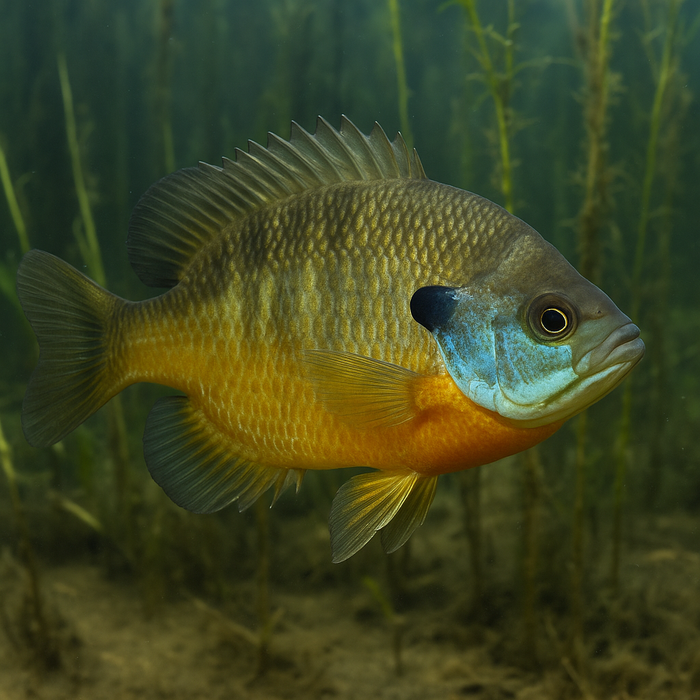
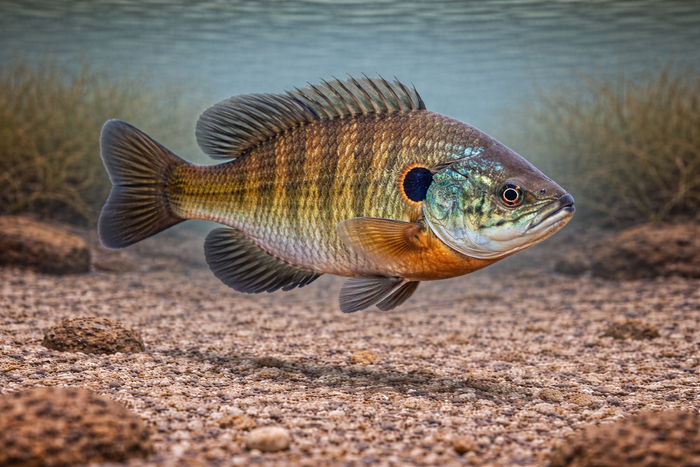
The Rock Bass is not your average panfish. This scrappy member of the sunfish family stands out with its bold, spiny dorsal fins and striking red eyes. Native to North America’s freshwater systems, the Rock Bass has earned a reputation among anglers and biologists alike for its aggressive nature and adaptability. Whether you’re fishing a rocky creek or a sprawling lake, knowing your Rock Bass facts can turn a casual outing into a memorable catch.
What Makes the Rock Bass Unique?
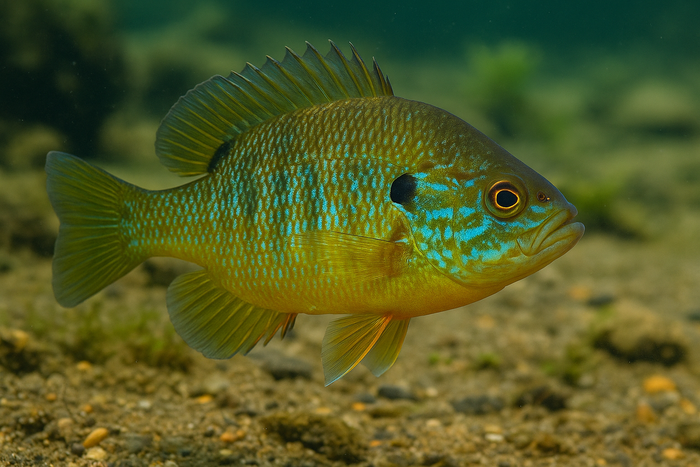
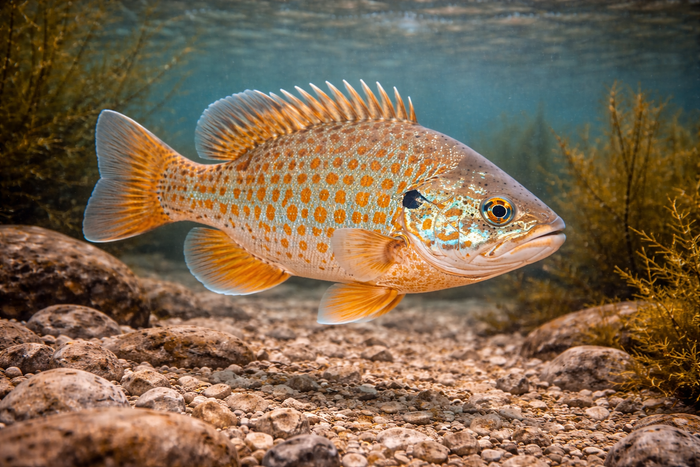
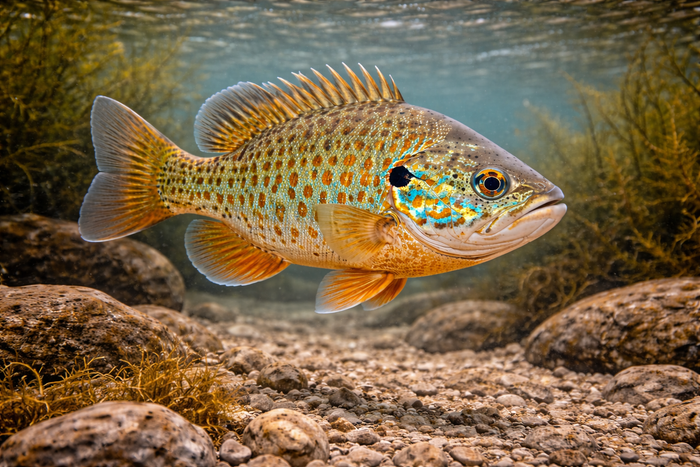
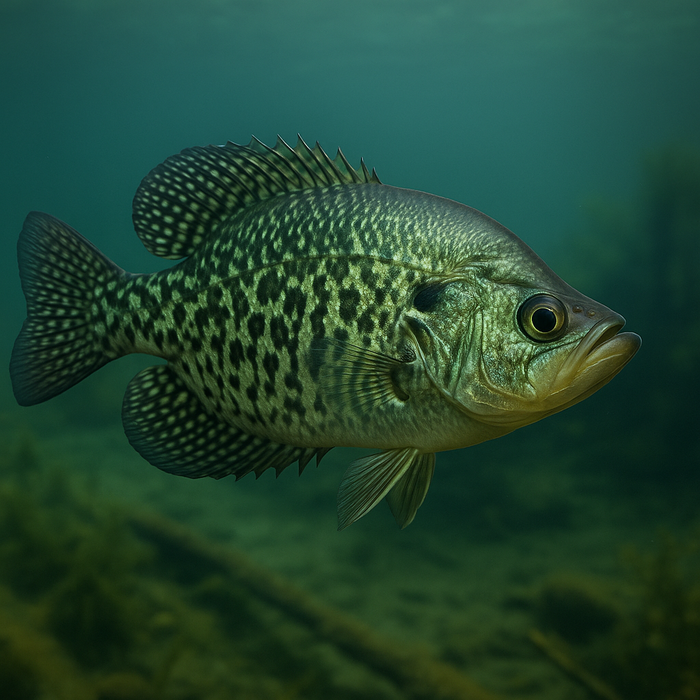
Rock Bass are the rock stars of their genus, Ambloplites, with a few traits that set them apart. Their body is stout and laterally compressed, covered in olive-green to brown scales with darker blotches that provide excellent camouflage among rocks and submerged logs. The bright red eyes are not just for show—they give the Rock Bass a piercing gaze that matches its feisty temperament.
Unlike many sunfish, Rock Bass have a higher count of spines on their dorsal fin, making them a bit pricklier to handle. Their mouth is large and equipped to snap up a variety of prey, from insects and crayfish to smaller fish. This versatility in diet is a key factor in their success across diverse habitats.
Habitat & Global Range
Rock Bass habitat is primarily freshwater bodies with plenty of rocky substrates, hence the name. They thrive in clear, cool streams, rivers, and lakes where rocks and gravel dominate the bottom. These fish are native to the eastern and central United States and parts of southern Canada, ranging from the Great Lakes region down through the Mississippi River basin.
They prefer habitats with moderate current and ample cover, such as submerged boulders, fallen trees, and aquatic vegetation. This environment not only offers protection from predators but also abundant feeding opportunities. Rock Bass are known to tolerate a range of water conditions but show a clear preference for well-oxygenated waters with stable temperatures.
Behavior & Temperament
Rock Bass behavior is a study in aggression and territoriality. These fish are highly protective of their nesting sites, which are typically shallow depressions in rocky or gravelly areas. During spawning season, males become particularly aggressive, defending their nests with relentless vigor against intruders.
Their feeding strategy is opportunistic and bold. Rock Bass will dart out from cover to ambush prey, relying on quick bursts of speed rather than stealth. This makes them exciting targets for anglers who appreciate a fight. Outside of spawning, they often form loose schools but maintain individual territories when food is scarce.
Ecological Importance
Rock Bass play a crucial role in freshwater ecosystems. As mid-level predators, they help regulate populations of insects, crayfish, and smaller fish, maintaining a balanced food web. Their predation on invasive species can sometimes provide a natural check on ecological imbalances.
Moreover, Rock Bass serve as prey for larger game fish such as bass and pike, linking lower and higher trophic levels. Their nesting behavior also contributes to substrate turnover and aeration, subtly influencing the aquatic environment’s health.
Conservation & Environmental Pressures
Despite their hardy reputation, Rock Bass face environmental pressures that could impact populations. Habitat degradation from pollution, sedimentation, and dam construction disrupts their preferred rocky habitats. Changes in water quality and temperature due to climate change also pose long-term risks.
Invasive species and overfishing in some regions have led to localized declines. However, Rock Bass are generally resilient and often adapt to altered environments better than more specialized species. Conservation efforts focus on protecting water quality and habitat complexity to ensure these fish continue to thrive.
The FishyAF Take
Rock Bass are the no-nonsense fighters of freshwater fishing. They don’t just blend into the background; they command attention with their vivid eyes, spiny fins, and aggressive attitude. Understanding Rock Bass facts, especially their habitat preferences and behavior, can give anglers a serious edge.
If you want a fish that combines challenge with ecological importance, the Rock Bass is your go-to. It’s a species that embodies toughness and adaptability, thriving where others might falter. Respect the Rock Bass, and it will reward you with a fight and a glimpse into the rugged beauty of freshwater ecosystems.