Bluegill (Lepomis macrochirus): The Sunfish That Owns Every Pond It Touches
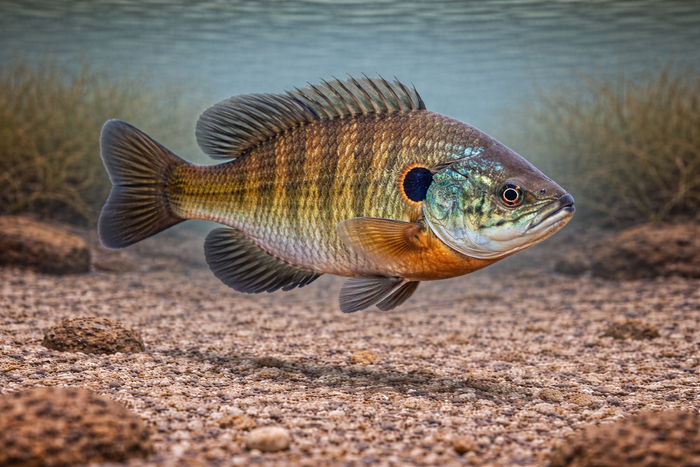
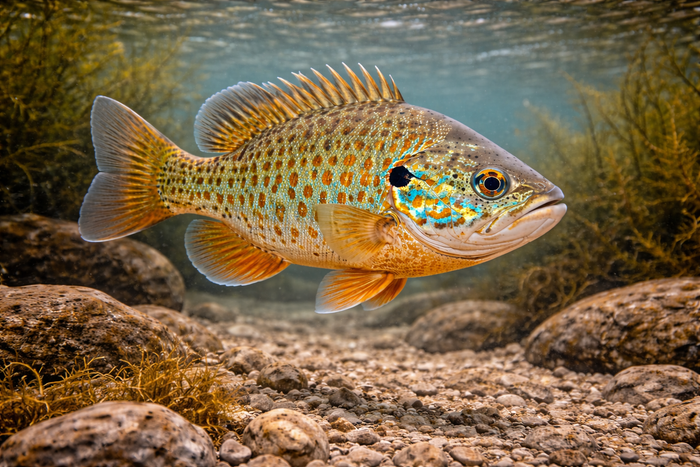
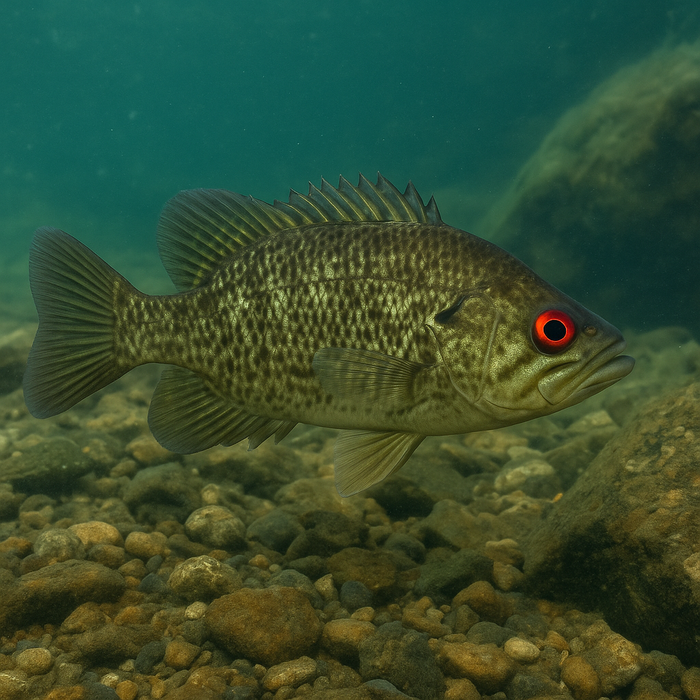
Bluegill is the poster child for freshwater sunfish in North America. Recognizable by its deep, laterally compressed body and that signature dark spot at the base of the dorsal fin, this fish is a staple for anglers, biologists, and casual observers alike. Bluegill facts reveal a species that’s adaptable, aggressive, and surprisingly complex beneath its unassuming exterior. Whether you’re fishing for sport or studying aquatic ecosystems, understanding the bluegill is essential.
What Makes the Bluegill Unique?
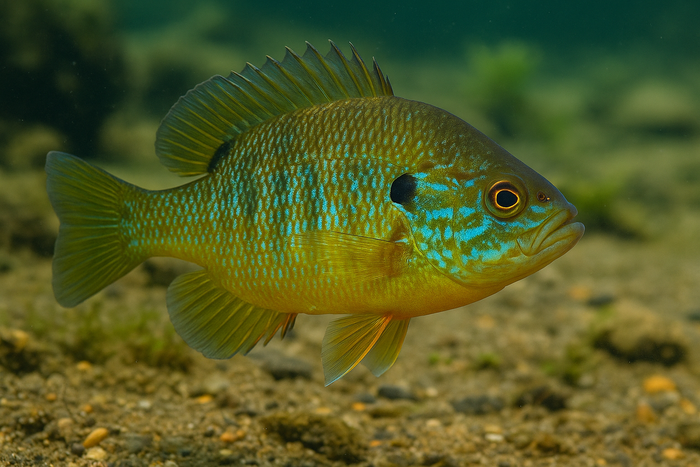
Bluegill stands out in the sunfish family for its bold coloration and distinctive body shape. Its blue and purple hues along the gill covers and sides give it a subtle flash that’s easy to spot in clear water. But it’s not just looks. Bluegill males build and fiercely defend nests during spawning season, showcasing a level of parental investment uncommon in many fish species. Their ability to tolerate a wide range of environmental conditions—from murky ponds to clear streams—makes them ecological survivors.
Another unique trait is their diet versatility. Bluegill are opportunistic feeders, snatching insects, small crustaceans, and even tiny fish. This adaptability in feeding habits contributes to their success across diverse habitats. Their aggressive feeding behavior also makes them a favorite target for anglers, especially those looking to sharpen their panfish skills.
Habitat & Global Range
Bluegill habitat spans across much of the United States and parts of Canada, thriving in warm, slow-moving waters. They prefer lakes, ponds, reservoirs, and quiet streams with abundant vegetation. The presence of submerged plants is crucial because it offers shelter from predators and provides ideal spawning grounds.
While native to North America, bluegill have been introduced worldwide, sometimes with mixed ecological results. Their ability to colonize new environments is impressive but can disrupt local ecosystems where they are non-native. Understanding bluegill habitat preferences helps anglers and conservationists predict where these fish will thrive and how they interact with other species.
Behavior & Temperament
Bluegill behavior is a blend of territorial aggression and social schooling. Outside of spawning, they often form loose groups, which can confuse predators and increase feeding efficiency. During breeding season, males turn territorial, creating circular nests in shallow water and aggressively defending them against rivals and intruders.
Their temperament is feisty for a fish their size. Bluegill won’t hesitate to chase off intruders or compete fiercely for food. This aggression, combined with their willingness to bite almost any bait or lure, makes them a dynamic species for anglers. They also exhibit interesting seasonal behaviors, moving to deeper waters in winter and returning to shallow zones in spring to spawn.
Ecological Importance
Bluegill play a pivotal role in freshwater ecosystems. As both predator and prey, they help maintain balance in aquatic food webs. By feeding on insects and small invertebrates, they control populations that could otherwise explode and disrupt water quality. In turn, bluegill serve as a vital food source for larger predatory fish, birds, and mammals.
Their nesting activities aerate the substrate and influence plant growth patterns, indirectly shaping their environment. Bluegill also compete with invasive species, sometimes limiting their spread, but this dynamic can be a double-edged sword depending on the ecosystem.
Conservation & Environmental Pressures
Despite their widespread presence, bluegill face environmental pressures that can impact local populations. Habitat degradation from pollution, sedimentation, and aquatic vegetation loss threatens their spawning success and juvenile survival. Overfishing in some areas can reduce numbers, though bluegill’s prolific breeding often buffers against drastic declines.
Climate change introduces new challenges by altering water temperatures and seasonal cycles, potentially disrupting spawning timing and food availability. Conservation efforts focus on protecting water quality, preserving aquatic vegetation, and managing fish populations to maintain balanced ecosystems where bluegill can continue to thrive.
The FishyAF Take
Bluegill is the freshwater equivalent of that scrappy underdog who refuses to be ignored. They’re adaptable, aggressive, and surprisingly smart, making them a cornerstone species in North American waters. Their bold colors and behaviors make them easy to identify, but their ecological role runs deep.
For anglers, bluegill offer a reliable, exciting catch that tests skill without requiring a trophy-sized haul. For conservationists, they’re a species that signals the health of freshwater habitats. Understanding bluegill facts and habitat preferences isn’t just trivia—it’s key to managing and appreciating the freshwater ecosystems they dominate.
If you want a fish that’s equal parts fighter, survivor, and ecosystem engineer, bluegill is your go-to. They’re not just another sunfish; they’re the sunfish that sets the standard.