Orangespotted Sunfish (Lepomis humilis): The Small Sunfish with a Big Personality and Even Bigger Spots
The Orangespotted Sunfish is not your average pond dweller. This compact, vibrantly marked member of the sunfish family packs a punch in both appearance and ecological role. If you think all sunfish look alike, think again. Lepomis humilis stands out with its distinctive orange spots and feisty nature, making it a fascinating subject for anglers, biologists, and aquarium enthusiasts alike. This guide dives deep into the Orangespotted Sunfish facts and habitat, revealing what makes this species a standout in North America’s freshwater ecosystems.
What Makes the Orangespotted Sunfish Unique?
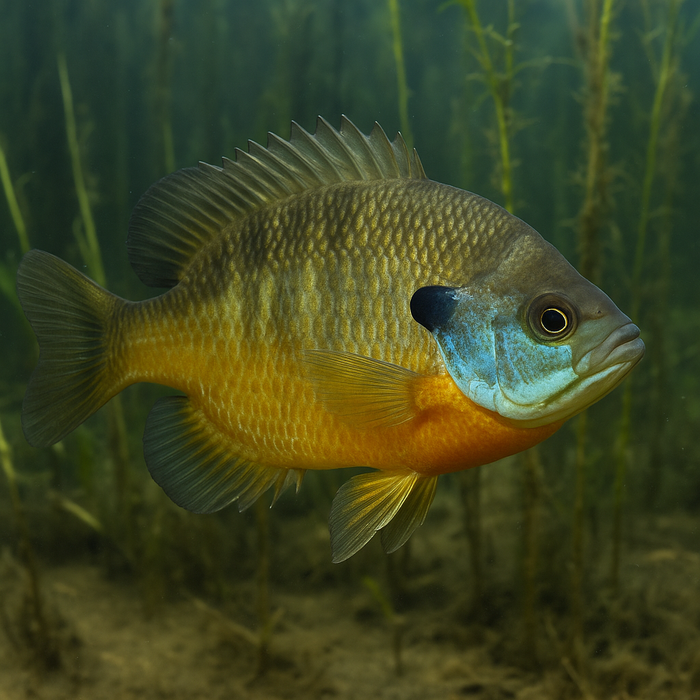
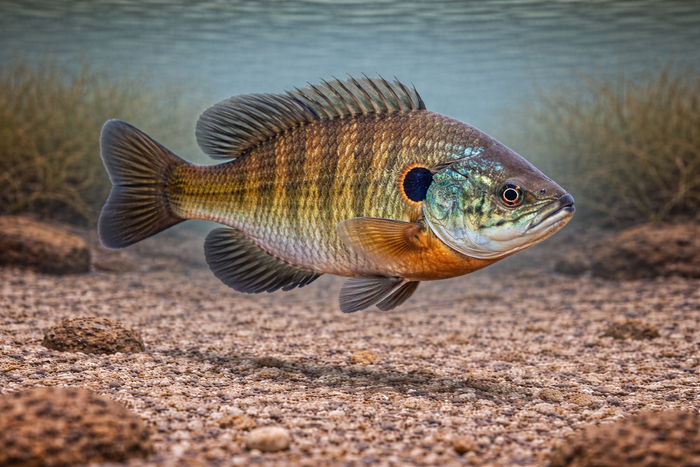
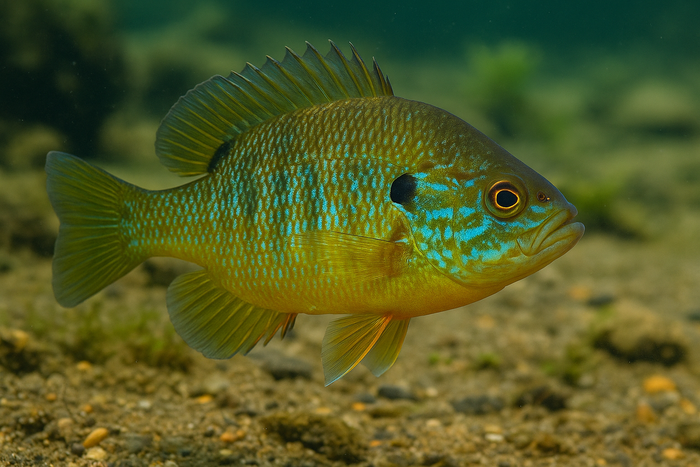
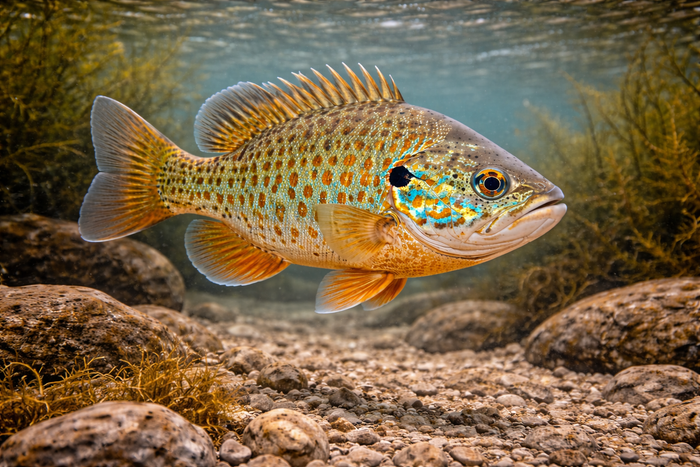
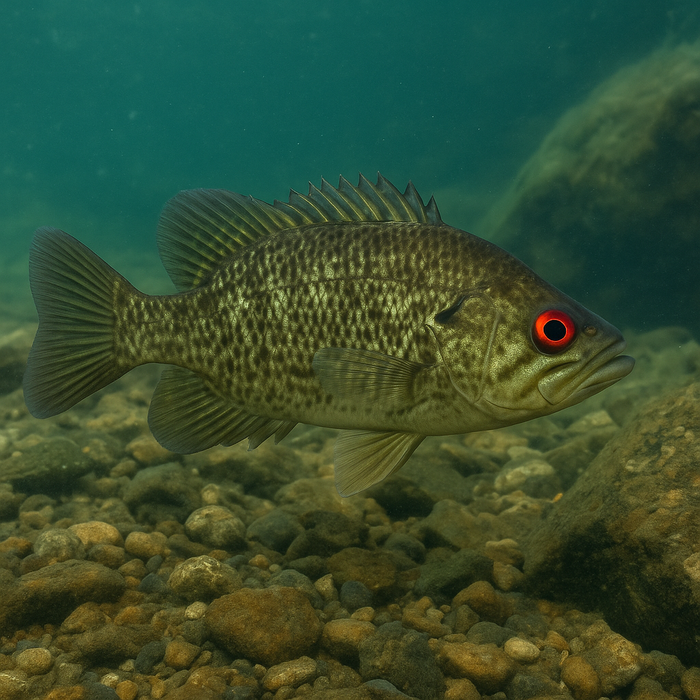
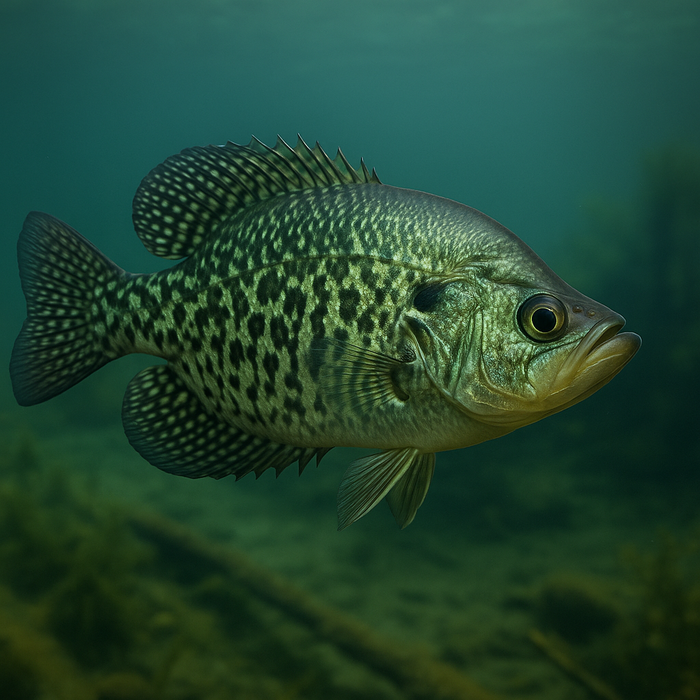
Forget the typical bluegill or pumpkinseed; the Orangespotted Sunfish is a visual standout. Its olive-green body is peppered with bright orange spots that shimmer under sunlight, giving it a speckled, almost jewel-like appearance. These spots aren’t just for show—they play a role in communication and mating displays. Unlike some of its more aggressive cousins, the Orangespotted Sunfish exhibits a blend of territoriality and curiosity, making it a bit of a personality in the sunfish world.
Morphologically, it’s smaller and more streamlined than many Lepomis species, with a relatively large mouth for its size. This adaptation allows it to snatch a variety of prey, from insects to small crustaceans. The species also has a distinctive dark opercular flap edged with white, a classic sunfish signature but with a subtler twist here.
Habitat & Global Range
Orangespotted Sunfish habitat is primarily centered in the central United States, with populations stretching from the Great Lakes region down through the Mississippi River basin. They favor slow-moving or still waters—think quiet pools, oxbows, and backwaters of rivers and streams. Unlike some sunfish that thrive in heavily vegetated lakes, the Orangespotted Sunfish prefers clearer waters with sandy or gravelly substrates where it can easily forage and nest.
This species is a freshwater specialist, rarely venturing into brackish or heavily polluted waters. Its presence often signals a relatively healthy aquatic system. The fish’s range is somewhat patchy, reflecting its preference for specific habitat conditions rather than broad tolerance. This makes understanding its habitat needs crucial for conservation efforts.
Behavior & Temperament
Orangespotted Sunfish behavior is a mix of boldness and caution. Males stake out nesting territories during the breeding season, aggressively defending their chosen spots from rivals and potential threats. These nests are simple depressions in the substrate, often located near submerged logs or rocks. The bright orange spots on males become more pronounced during this time, serving as visual signals to females and competitors alike.
Outside breeding season, these fish can be surprisingly social, sometimes forming loose groups. Their feeding habits are opportunistic; they’ll snap up aquatic insects, larvae, small crayfish, and even tiny fish. Their relatively large mouths for their size give them an edge in capturing diverse prey.
Despite their small stature, Orangespotted Sunfish are feisty fighters when hooked, making them a favorite among anglers who appreciate a spirited catch without the bulk of larger sunfish species.
Ecological Importance
The Orangespotted Sunfish plays a vital role in freshwater ecosystems. As both predator and prey, it helps maintain balance in aquatic food webs. By feeding on insect larvae and small invertebrates, it controls populations that might otherwise explode and disrupt the ecosystem. In turn, it serves as a food source for larger fish, birds, and other wildlife.
Its nesting behavior also contributes to substrate turnover and aeration, subtly influencing the microhabitats of benthic organisms. Because it prefers cleaner waters, its presence can be an indicator of ecosystem health, making it a natural bioindicator for environmental monitoring.
Conservation & Environmental Pressures
While not currently listed as endangered, the Orangespotted Sunfish faces pressures from habitat degradation, pollution, and competition with invasive species. Agricultural runoff and urban development threaten the clear, slow-moving waters it calls home, introducing sediments and chemicals that cloud the water and disrupt spawning.
Invasive species like the common carp and certain aggressive sunfish can outcompete or prey upon Orangespotted Sunfish populations, further stressing their numbers. Conservation efforts focus on protecting and restoring natural waterways, controlling pollution, and monitoring populations to ensure this species remains a vibrant part of freshwater biodiversity.
The FishyAF Take
The Orangespotted Sunfish is a small fish with a big story. It’s a reminder that even the less flashy members of the sunfish family have evolved unique traits and behaviors that make them indispensable to their ecosystems. For anglers, it offers a spirited fight and a chance to connect with a species that’s often overlooked. For conservationists, it’s a bellwether of freshwater health.
Understanding Orangespotted Sunfish facts and habitat is more than an academic exercise—it’s a call to appreciate and protect the subtle complexities of our freshwater environments. Next time you’re near a quiet pool or backwater, keep an eye out for those shimmering orange spots. You’re looking at a small but mighty player in the aquatic world.