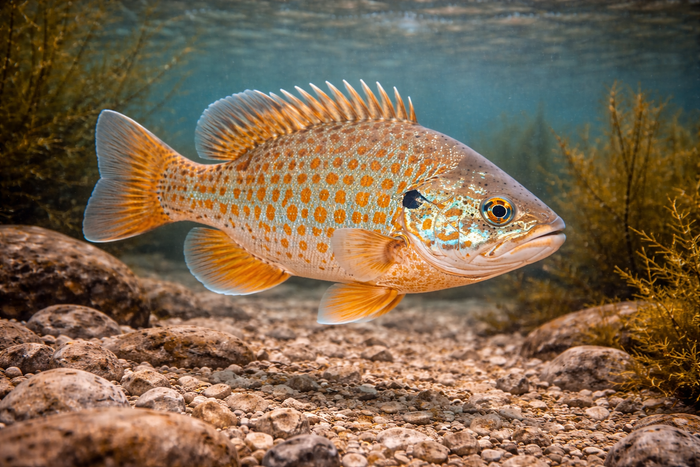
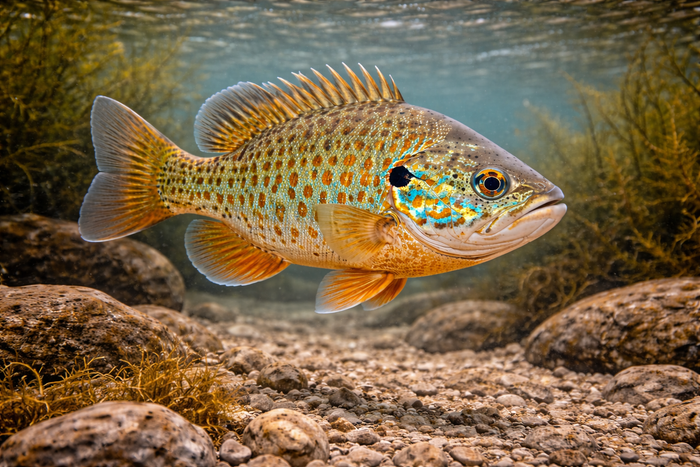
White Crappie (Pomoxis annularis): The Striped Shadow of Freshwater Fishing
The White Crappie is a freshwater staple that commands attention with its distinctive vertical stripes and aggressive feeding habits. Known for its sporting qualities and adaptability, this species has earned a solid reputation among anglers and biologists alike. If you’re diving into White Crappie facts, prepare to uncover a fish that’s as cunning as it is widespread.
What Makes the White Crappie Unique?
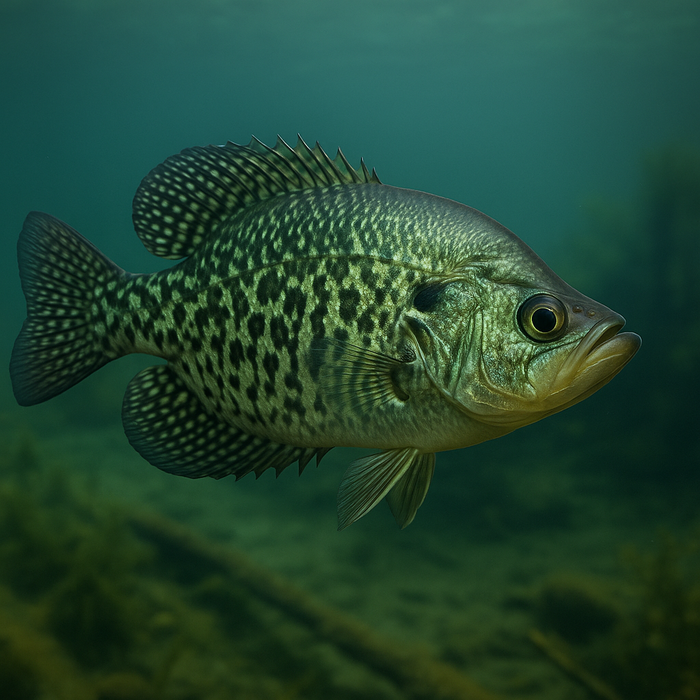
White Crappie stand out primarily due to their patterning and body shape. Unlike their close relative, the Black Crappie, which sports a speckled pattern, White Crappie wear bold, vertical bars that resemble prison stripes. This pattern isn’t just for show—it provides effective camouflage among submerged timber and vegetation.
Their body is slightly more elongated and less deep than the Black Crappie, giving them a sleeker profile. This shape supports their hunting style, which involves quick bursts of speed to ambush prey. White Crappie are voracious feeders, primarily targeting small fish and invertebrates. Their large mouths and sharp teeth make them efficient predators in their niche.
Another unique trait is their spawning behavior. White Crappie spawn earlier in the spring than Black Crappie, often in slightly cooler water temperatures. Males build and guard nests in shallow waters, fiercely protecting their offspring from intruders. This parental investment is a key survival strategy that helps maintain their populations.
Habitat & Global Range
White Crappie are native to North America, predominantly found throughout the Mississippi River basin and its tributaries. Their range extends from the Great Lakes region down to the Gulf Coast, and westward into parts of the central United States. They have also been introduced to various other freshwater systems, sometimes with mixed ecological consequences.
When it comes to White Crappie habitat, these fish favor slow-moving or still waters with plenty of cover. Think reservoirs, lakes, large rivers with backwaters, and floodplain pools. They thrive around submerged structures like fallen trees, brush piles, docks, and rocky ledges. These environments provide both shelter from predators and prime hunting grounds.
Water clarity is less of a concern for White Crappie than for some species. They can tolerate murky conditions, which often give them an edge over more visually dependent prey. Temperature-wise, they prefer moderate ranges but are hardy enough to survive seasonal fluctuations typical of temperate freshwater systems.
Behavior & Temperament
White Crappie are opportunistic predators with a strong preference for schooling. They often form tight groups, especially juveniles, which enhances their chances of survival against larger predators. This schooling behavior also makes them a favorite target for anglers using techniques like jigging or casting small crankbaits.
They are primarily crepuscular feeders, most active during dawn and dusk. During these times, they move from their daytime cover into open water to hunt. Their diet mainly consists of minnows, insect larvae, and small crustaceans. This feeding strategy keeps them near the bottom or mid-water column, depending on prey availability.
Despite their schooling tendencies, White Crappie can be territorial during spawning season. Males aggressively defend nests, sometimes engaging in physical confrontations. Outside of breeding, they are relatively passive and rely on stealth and quick strikes rather than brute force.
Ecological Importance
White Crappie play a crucial role in freshwater ecosystems. As mid-level predators, they help regulate populations of smaller fish and invertebrates, maintaining a balanced food web. Their feeding habits can influence the abundance of prey species, which in turn affects algae levels and overall water quality.
They also serve as a vital food source for larger predatory fish, birds, and mammals. This positions them as a key link in energy transfer within aquatic ecosystems. Their presence often indicates a healthy, functioning freshwater environment with adequate structural complexity.
From a fisheries perspective, White Crappie contribute significantly to recreational angling economies. Their popularity drives conservation efforts and habitat management, indirectly benefiting a wide range of aquatic species.
Conservation & Environmental Pressures
While White Crappie populations are generally stable, they face several environmental pressures. Habitat degradation from sedimentation, pollution, and shoreline development can reduce the availability of critical cover and spawning sites. Alterations in water flow and temperature due to damming or climate change also impact their reproductive success.
Invasive species pose another threat by competing for food or preying on juvenile crappie. Overfishing, particularly during spawning aggregations, can lead to localized population declines if not managed properly.
Conservation efforts focus on habitat restoration, water quality improvement, and sustainable fishing regulations. Protecting submerged structures and maintaining natural water cycles are essential for supporting healthy White Crappie populations.
The FishyAF Take
White Crappie are more than just a common catch; they’re a testament to adaptability and survival in freshwater environments. Their bold stripes and schooling behavior make them a fascinating study in predator-prey dynamics. For anglers, they offer a challenging and rewarding experience that demands respect for their cunning nature.
Understanding White Crappie facts and habitat preferences is crucial for anyone serious about freshwater fishing or aquatic ecology. These fish remind us that even the most familiar species have complex lives worth exploring. Keep an eye on their populations and habitats—because the health of White Crappie often reflects the health of the waters we all depend on.