Flier (Centrarchus macropterus): The Small Sunfish with a Big Attitude
The Flier is not your average sunfish. This compact freshwater species packs a punch with its bold markings and feisty behavior. Native to the southeastern United States, the Flier stands out among its sunfish cousins for its distinctive appearance and unique habits. If you’re diving into Flier facts, prepare to meet a fish that’s as intriguing as it is overlooked.
What Makes the Flier Unique?
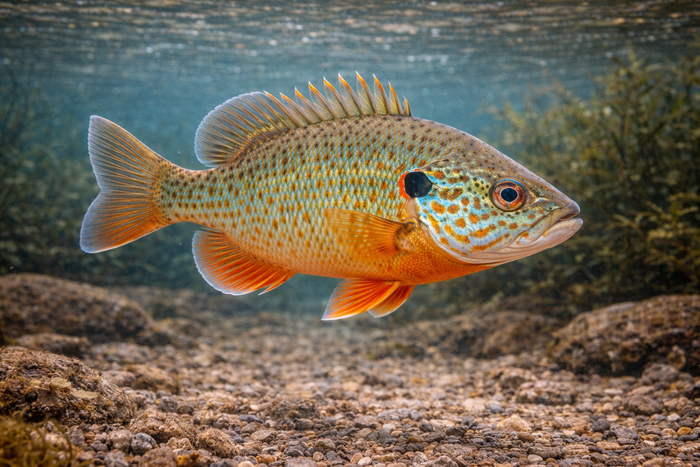
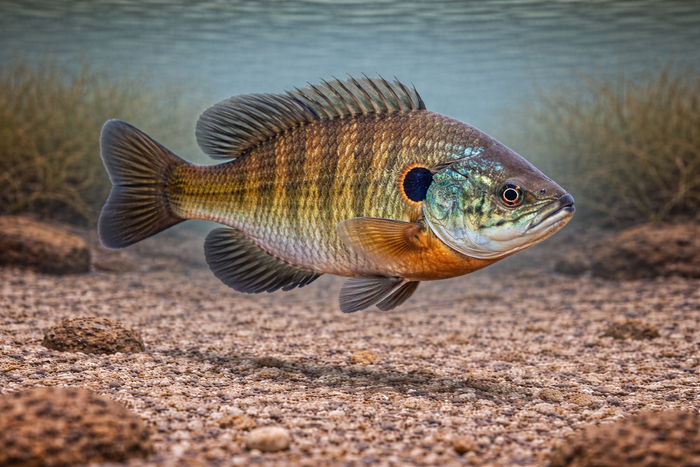
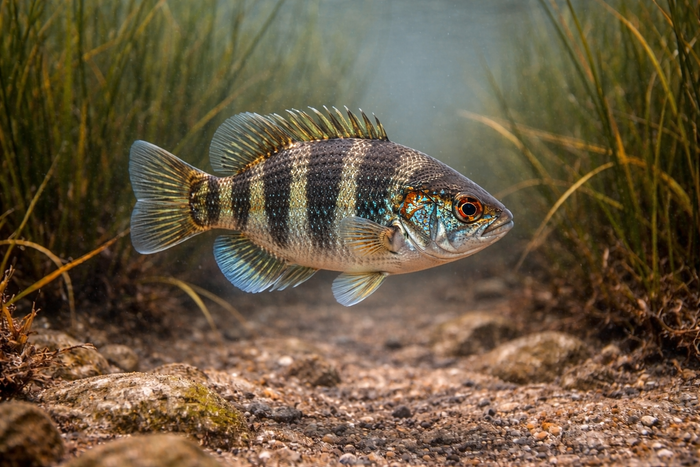
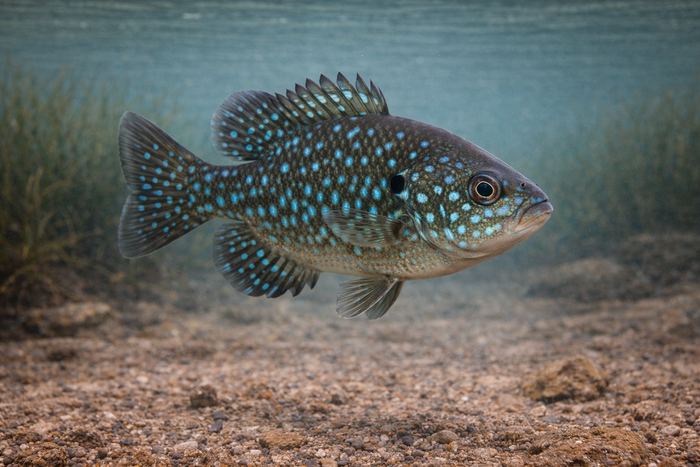
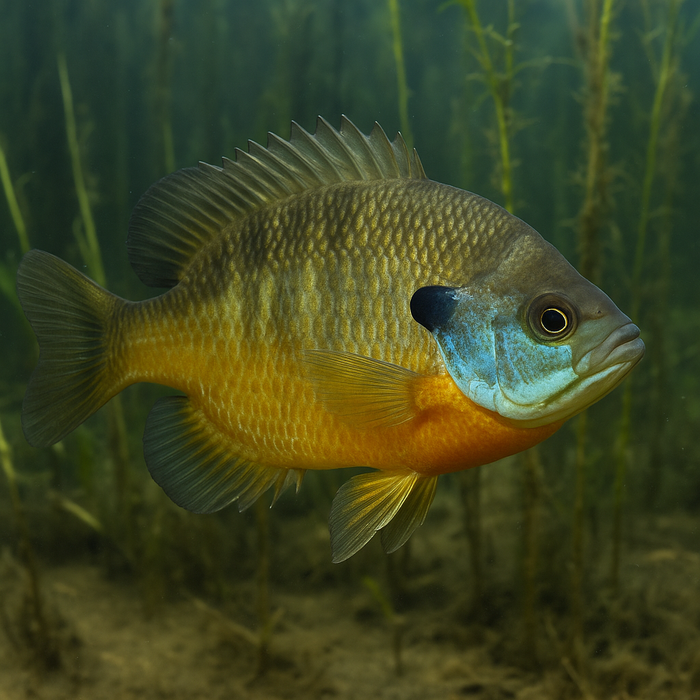
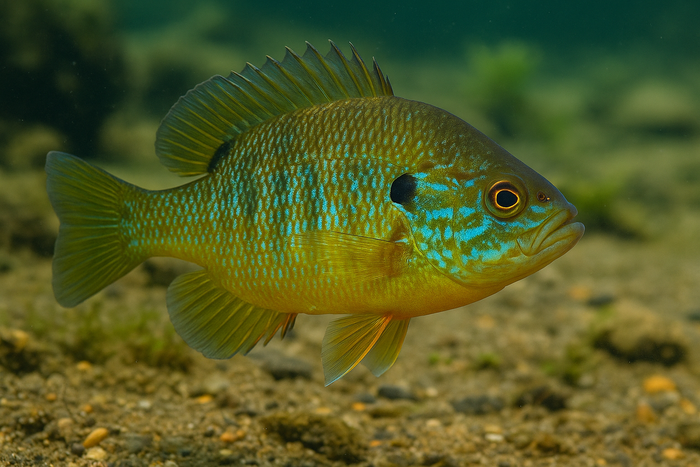
The Flier’s claim to fame lies in its striking coloration and fin structure. Unlike other sunfish, it sports a series of vertical bars along its body, giving it a tiger-striped look that’s hard to miss. Its dorsal fin is notably long and spiny, lending it a somewhat prehistoric silhouette. This fish’s large eyes and upward-facing mouth hint at its predatory lifestyle, targeting smaller fish and aquatic insects with precision.
Unlike many sunfish that prefer open water or heavily vegetated areas, the Flier is a specialist in navigating complex habitats. Its body shape is streamlined yet sturdy, allowing it to dart quickly through submerged roots, fallen logs, and dense vegetation. This agility is a key survival trait, enabling it to escape predators and ambush prey in tight quarters.
Habitat & Global Range
Flier habitat is primarily freshwater, with a strong preference for slow-moving rivers, creeks, and swamps. It thrives in environments rich in cover—think submerged wood, leaf litter, and thick aquatic plants. These structures provide both hunting grounds and protection.
Geographically, the Flier is confined to the southeastern United States, from the lower Mississippi River basin eastward to parts of Georgia and Florida. It’s a regional specialist, not a widespread wanderer. Its presence signals a healthy, structurally complex aquatic ecosystem, often in waters with moderate to low turbidity.
Behavior & Temperament
Flier behavior is a study in contrasts. They’re aggressive hunters but cautious survivors. During feeding, they exhibit rapid bursts of speed to snatch prey, relying on stealth and surprise rather than endurance. Their diet mainly consists of small fish, insect larvae, and crustaceans, making them opportunistic predators.
In terms of temperament, Flier are territorial and can be quite feisty when defending their space. They don’t tolerate intruders lightly, especially during breeding season when males guard nests aggressively. This territoriality means they’re not the best tank mates for more passive species if you’re considering them for an aquarium.
Flier are also crepuscular, most active during dawn and dusk. This behavior helps them avoid larger daytime predators and exploit feeding opportunities when prey is less alert.
Ecological Importance
Despite their modest size, Fliers play a significant role in their ecosystems. As mid-level predators, they help regulate populations of smaller fish and invertebrates, maintaining a balanced food web. Their predation pressure keeps prey species from overpopulating, which can otherwise lead to habitat degradation.
Additionally, Flier serve as prey for larger game fish, birds, and reptiles. This dual role as predator and prey integrates them firmly into the aquatic food chain. Their presence often indicates a healthy aquatic environment with sufficient structural complexity and water quality.
Conservation & Environmental Pressures
While not currently listed as endangered, the Flier faces challenges from habitat loss and degradation. Urban development, agriculture runoff, and dam construction alter the slow-moving, vegetated waters they depend on. Increased sedimentation and pollution reduce water clarity and oxygen levels, making these habitats less hospitable.
Invasive species also pose a threat by competing for food and space or directly preying on Flier juveniles. Climate change adds another layer of uncertainty, potentially shifting water temperatures and flow patterns beyond the Flier’s tolerance.
Conservation efforts focused on preserving wetland habitats and maintaining water quality are crucial for sustaining Flier populations. Protecting the intricate underwater structures they rely on is just as important as monitoring water chemistry.
The FishyAF Take
The Flier is a small fish with a big personality and an outsized role in its ecosystem. It’s a reminder that not all impressive aquatic players are giant or flashy. This species thrives in complexity—both in habitat and behavior—making it a fascinating subject for anglers, biologists, and conservationists alike.
If you want to understand the health of southeastern freshwater systems, keep an eye out for the Flier. Its presence is a badge of ecological integrity. For those who appreciate fish that combine bold looks with sharp survival skills, the Flier is a standout. It’s a species that demands respect, not just for what it is, but for what it represents in the watery world it calls home.