Banded Sunfish (Enneacanthus obesus): Small Fish, Big Personality, Stripes That Stick
The Banded Sunfish is a compact freshwater marvel that punches well above its weight in character and ecological value. Sporting bold vertical bands and a rounded body, this little fish commands attention without demanding a spotlight. Native to the eastern United States, it thrives in quiet, vegetated waters where it plays a subtle but crucial role in the aquatic ecosystem. If you’re diving into Banded Sunfish facts, prepare to meet a species that’s as fascinating in behavior as it is in appearance.
What Makes the Banded Sunfish Unique?
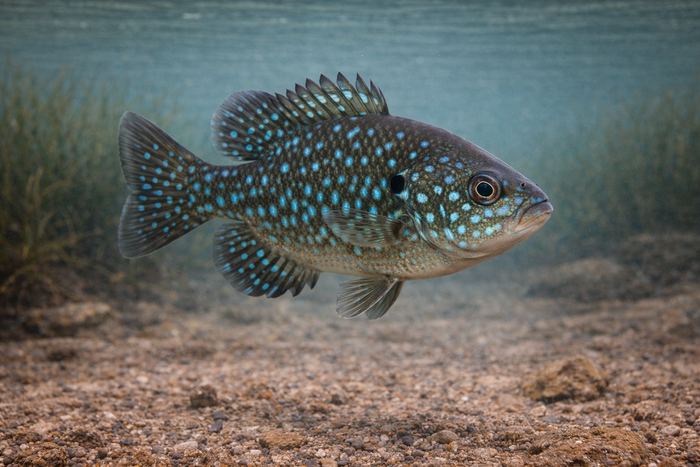
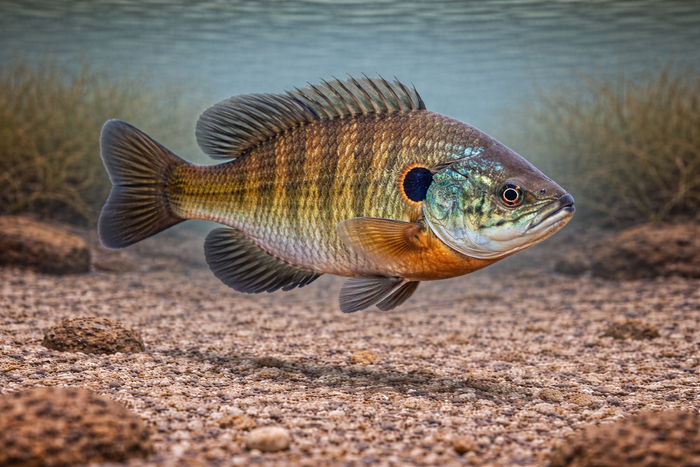
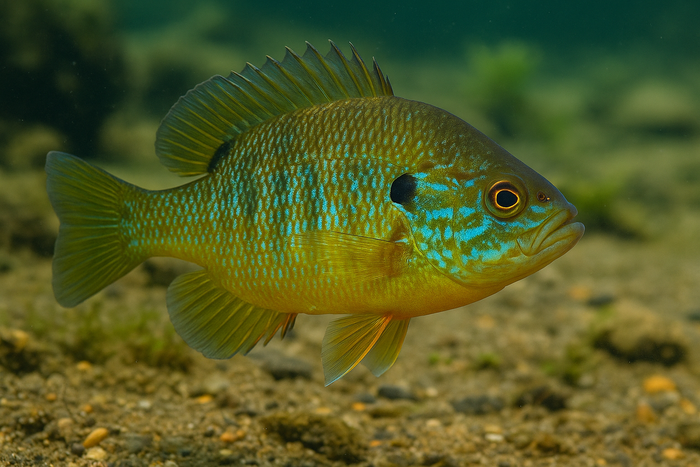
First off, the Banded Sunfish isn’t your average sunfish. Its distinct vertical black bands set it apart from its more common relatives, giving it a striking, almost graphic look. The body shape is notably deep and compressed, making it look almost like a tiny, armored tank. Unlike many sunfish that favor open waters, the Banded Sunfish prefers dense vegetation and shallow, slow-moving streams or ponds.
Its feeding strategy is equally interesting. It’s an opportunistic insectivore, snapping up small aquatic insects and larvae with precision. The Banded Sunfish’s mouth is small but agile, perfectly adapted for picking off prey hiding among plants. This fish is also known for its territorial behavior during breeding season, with males fiercely guarding nests hidden in submerged vegetation. The combination of bold patterning and aggressive nest defense makes it a standout among freshwater fish.
Habitat & Global Range
Banded Sunfish habitat is all about calm, clear, and well-vegetated waters. You’ll find them primarily in the Atlantic coastal drainages from New York down to Georgia. They prefer small streams, ponds, and swamps where the water moves slowly and aquatic plants provide ample cover. These fish avoid turbid or heavily polluted waters, making them reliable indicators of healthy freshwater environments.
Their range is relatively limited compared to more widespread sunfish species, but within that range, they are well adapted to microhabitats that many other fish avoid. The dense vegetation not only offers protection from predators but also supports a rich supply of insect prey. Seasonal changes in water levels can influence their distribution locally, but they generally stick to their preferred niches.
Behavior & Temperament
Don’t let their size fool you. Banded Sunfish exhibit a surprisingly bold temperament, especially during breeding. Males stake out territories and engage in vigorous displays to ward off rivals. This territoriality is a key part of their reproductive strategy, ensuring that nests are well protected until the fry hatch.
Outside of breeding season, they’re more subdued but still active foragers. They tend to stay close to cover and move cautiously, darting out to snatch prey before retreating. Their social structure is loose; they don’t school tightly but may be found in small groups, especially juveniles. The Banded Sunfish’s behavior reflects a balance between caution and aggression, shaped by the demands of survival in complex, plant-filled habitats.
Ecological Importance
The Banded Sunfish plays a vital role in freshwater ecosystems. As insectivores, they help control populations of aquatic insects, some of which can be pests or vectors for disease. Their predation keeps the balance in check, indirectly supporting water quality and the health of other aquatic life.
They also serve as prey for larger fish, birds, and amphibians, making them an integral link in the food web. Their presence signals a well-vegetated, low-disturbance environment, which benefits a wide range of species beyond just fish. In short, the Banded Sunfish is a small but mighty contributor to ecosystem stability and biodiversity.
Conservation & Environmental Pressures
Despite their adaptability, Banded Sunfish face threats from habitat loss and degradation. Urbanization, agriculture, and pollution have reduced the availability of clean, vegetated waters they depend on. Sedimentation and chemical runoff can cloud waters and disrupt the delicate balance of their habitat.
Climate change adds another layer of pressure, altering water temperatures and flow patterns that can affect breeding and survival. While not currently listed as endangered, local populations have declined in some areas, signaling the need for habitat protection and restoration.
Conservation efforts focus on preserving wetlands, improving water quality, and maintaining natural vegetation along waterways. Protecting Banded Sunfish habitat benefits countless other species and helps sustain the overall health of freshwater ecosystems.
The FishyAF Take
The Banded Sunfish is a prime example of how small fish can pack a big ecological punch. Its bold stripes and feisty behavior make it memorable, but its real value lies in its role as both predator and prey within its habitat. If you’re interested in freshwater biodiversity or looking to understand the subtle dynamics of aquatic ecosystems, the Banded Sunfish is a species worth knowing.
It’s a reminder that not all sunfish are created equal. This little warrior thrives in niche environments, balancing aggression with caution and playing a critical part in controlling insect populations. For anglers, conservationists, or just the curious, the Banded Sunfish offers a glimpse into the complexity and resilience of freshwater life. Keep an eye out for those bands—they’re nature’s way of saying this fish means business.