Redear Sunfish (Lepomis microlophus): The Snapping Clam-Eating Sunfish You Didn’t Know You Needed
The Redear Sunfish is no wallflower in the crowded world of freshwater fish. Known for its distinctive red ear flap and aggressive appetite for mollusks, this species stands out among sunfish with a bold personality and a taste for hard-shelled snacks. Whether you’re an angler, aquarist, or just a fish enthusiast, understanding the Redear Sunfish means appreciating a creature that’s as tough as it is fascinating.
What Makes the Redear Sunfish Unique?
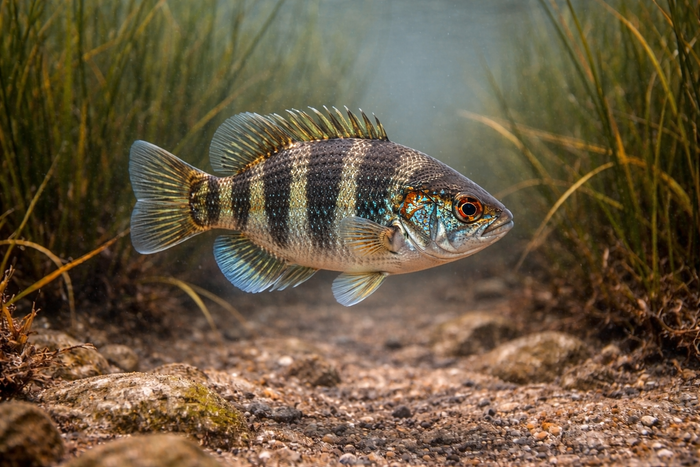
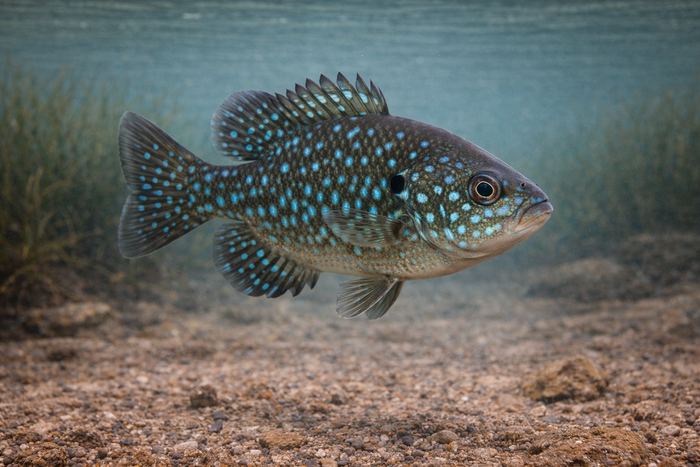
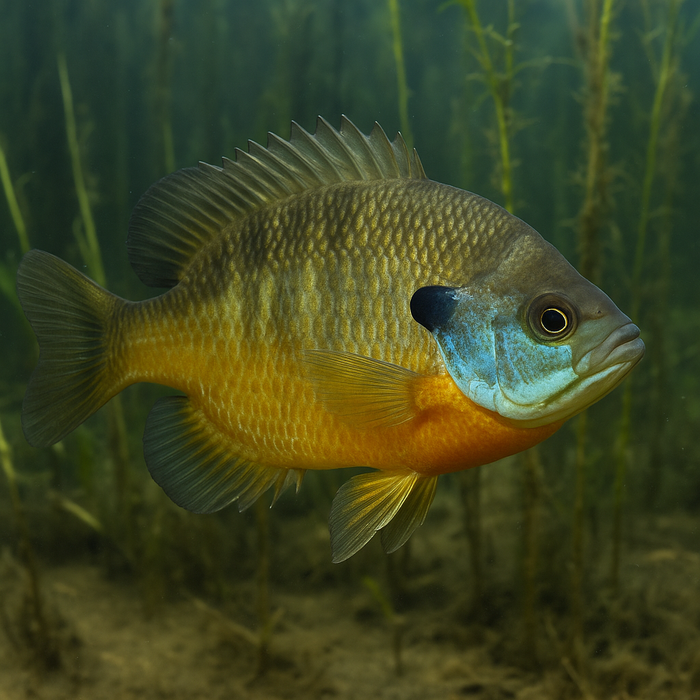
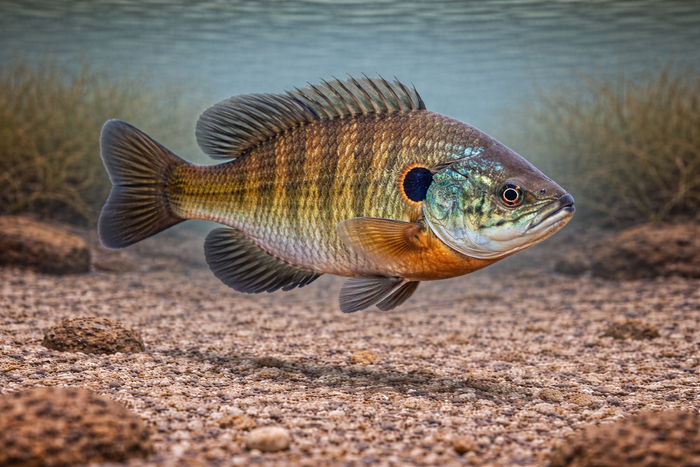
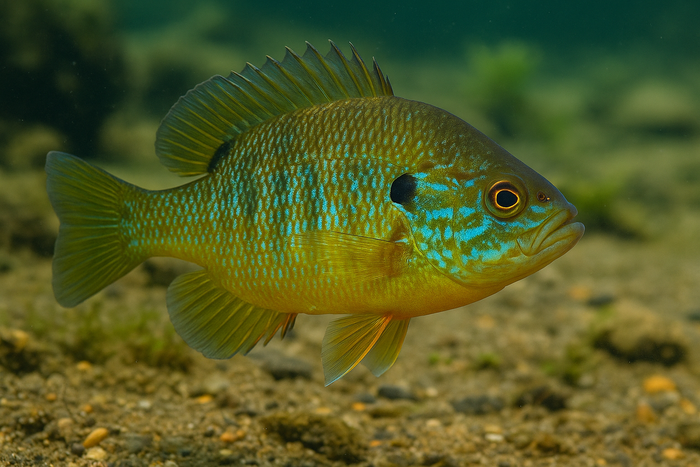
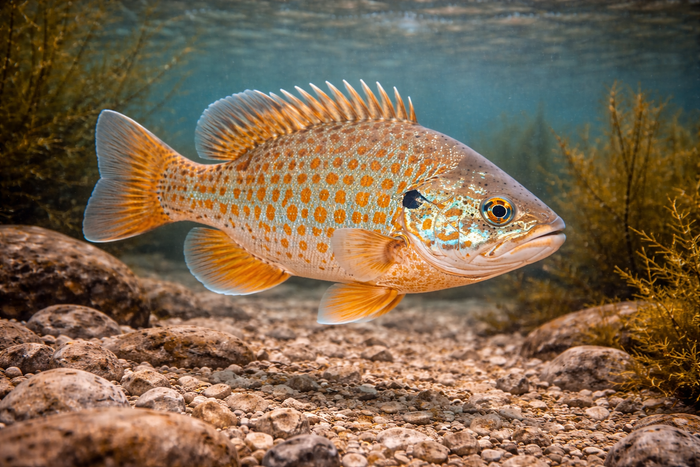
Redear Sunfish are instantly recognizable by the bright red or orange margin on their operculum, the “ear” flap that gives them their name. But their uniqueness goes beyond looks. Unlike many sunfish that prefer insects and small fish, Redears specialize in crushing snails, clams, and other mollusks. Their pharyngeal teeth are adapted to crack shells, making them natural pest controllers in freshwater ecosystems plagued by invasive snails.
They also grow larger than many of their sunfish cousins, often reaching impressive sizes that make them a prized catch. Their body shape is deep and laterally compressed, with a coloration that shifts from olive-green to yellowish on the belly, peppered with faint vertical bars. This combination of features makes the Redear Sunfish both a visual standout and a functional specialist.
Habitat & Global Range
Redear Sunfish are native to the southeastern United States but have been introduced widely across North America and beyond. Their adaptability to various freshwater environments is a big part of their success story. They thrive in warm, slow-moving waters like lakes, reservoirs, ponds, and sluggish rivers. Unlike some sunfish that prefer clear water, Redears tolerate murkier conditions and often inhabit areas with abundant aquatic vegetation and soft substrates.
Their preference for Redear Sunfish habitat includes places rich in mollusks, which means they’re often found in waters where snails and clams are plentiful. This diet specialization influences their distribution, as they follow the food source. The species has also been introduced to control invasive snail populations in some regions, demonstrating their ecological utility.
Behavior & Temperament
Redear Sunfish are territorial but not overly aggressive compared to other sunfish species. They stake out feeding grounds and nesting sites, especially during spawning season, but they rarely engage in prolonged fights. Their behavior is a mix of opportunistic feeding and cautious defense.
They are diurnal feeders, active during daylight hours, and their diet shifts seasonally. In warmer months, they focus on mollusks, but they will also consume insects, small crustaceans, and occasionally small fish. Their method of crushing shells is a fascinating behavioral adaptation—watching a Redear work a clam is like seeing a natural-born crusher in action.
During spawning, males build and guard nests in shallow, sandy areas. They exhibit parental care by fanning eggs and protecting fry until they are free-swimming. This investment in offspring survival is typical of sunfish but notable for the Redear’s efficiency in a competitive environment.
Ecological Importance
Redear Sunfish play a crucial role in controlling mollusk populations, which can otherwise explode and disrupt aquatic ecosystems. By feeding heavily on snails and clams, they help maintain a balance that benefits water quality and native species diversity. This makes them natural allies in managing invasive snail species that threaten freshwater habitats.
Their presence also supports a complex food web. As both predator and prey, Redears provide sustenance for larger fish, birds, and other wildlife. Their nesting behavior contributes to sediment turnover and nutrient cycling in their habitats.
In managed fisheries and stocked waters, Redear Sunfish add diversity and resilience. Their mollusk-crushing diet complements other sunfish species, reducing competition and enhancing overall ecosystem health.
Conservation & Environmental Pressures
While Redear Sunfish are not currently endangered, they face challenges from habitat degradation, pollution, and invasive species. Loss of aquatic vegetation and water quality decline can reduce their preferred habitat and food sources. In some areas, overfishing and unregulated stocking have altered population dynamics, sometimes leading to local declines.
Climate change poses a long-term threat by shifting water temperatures and altering the distribution of mollusk prey. However, their adaptability to various freshwater conditions gives them a better shot at resilience compared to more specialized species.
Conservation efforts focus on protecting and restoring freshwater habitats, managing invasive species, and monitoring populations to ensure sustainable fishing practices. Maintaining healthy Redear Sunfish populations supports broader ecosystem stability and biodiversity.
The FishyAF Take
The Redear Sunfish is a powerhouse wrapped in a flashy package. Its mollusk-crushing prowess and adaptability make it a standout player in freshwater ecosystems. If you’re looking for a sunfish that brings more than just a pretty face to the table, the Redear is your fish. It’s a species that commands respect with its unique diet, robust behavior, and ecological value.
For anglers, Redears offer a fun challenge and a chance to catch a fish that’s both aggressive and strategic. For conservationists, they’re a natural tool for managing invasive snails and maintaining aquatic balance. And for anyone curious about freshwater life, the Redear Sunfish is a vivid example of how evolution crafts specialization and resilience.
In short, the Redear Sunfish isn’t just another sunfish. It’s a bold, memorable character in the freshwater world, deserving of attention and appreciation. Keep an eye out for that red ear flap—it’s a sign you’re dealing with one of the most interesting sunfish around.