Blue Spotted Sunfish (Enneacanthus gloriosus): Tiny but Mighty Jewel of Freshwater
The Blue Spotted Sunfish is a small freshwater fish that punches well above its weight in personality and ecological value. Known scientifically as Enneacanthus gloriosus, this species is a standout among North American sunfish for its vivid blue spots and compact size. It’s a fish that demands attention not because it’s the biggest or the flashiest, but because it’s a master of subtlety and survival in the often overlooked shallow waters it calls home.
What Makes the Blue Spotted Sunfish Unique?
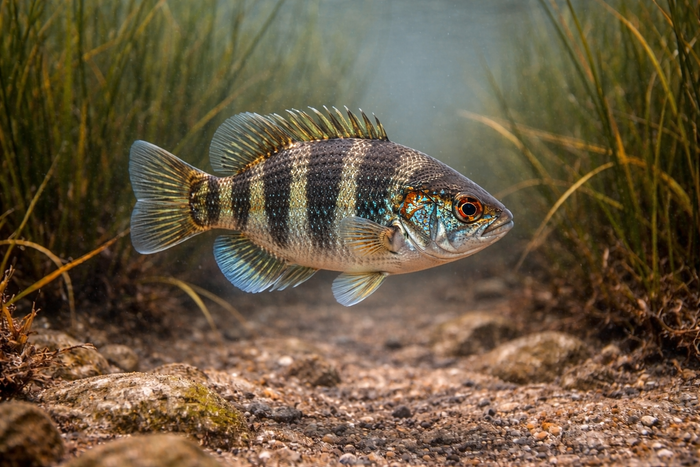
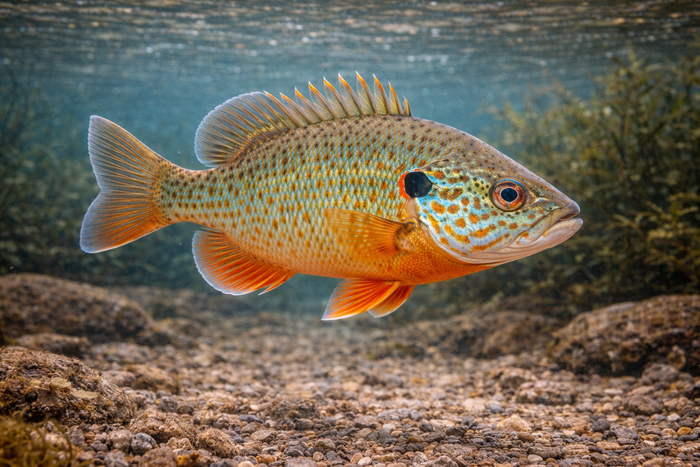
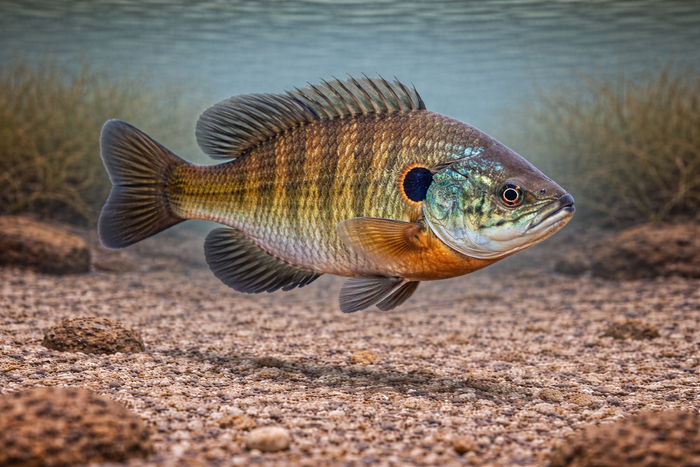
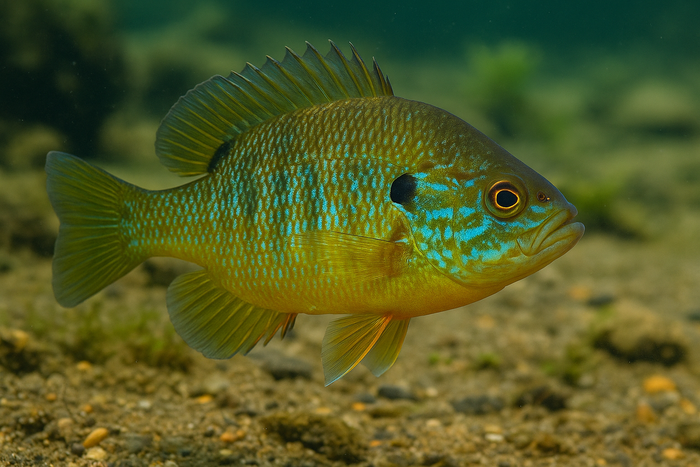
Forget the giant, aggressive sunfish you might picture. The Blue Spotted Sunfish is a pint-sized marvel, rarely exceeding 3 inches in length, but it’s packed with character. Its defining feature is the iridescent blue spots scattered across its olive-green body, a natural armor of camouflage and courtship flair. Unlike many sunfish that dominate open waters, this species prefers dense vegetation and complex underwater structures, making it a specialist in navigating tight spaces.
Its mouth is small but perfectly designed for picking off tiny invertebrates, and its behavior reflects a cautious but curious nature. The Blue Spotted Sunfish doesn’t just survive; it thrives in microhabitats that many larger fish avoid. This specialization has earned it a niche status among anglers and biologists alike.
Habitat & Global Range
Blue Spotted Sunfish habitat is primarily in the southeastern United States, stretching from the coastal plains of Virginia down through Florida and west to Texas. They favor slow-moving or still waters such as ponds, lakes, and heavily vegetated streams. These fish are masters of the shallow water game, often found in areas thick with aquatic plants, submerged logs, and leaf litter.
Their preference for warm, acidic waters with plenty of cover means they avoid the open, fast-flowing rivers that other sunfish might dominate. This habitat choice not only protects them from predators but also ensures a steady supply of their preferred diet: small crustaceans, insect larvae, and other tiny critters.
Behavior & Temperament
The Blue Spotted Sunfish is territorial but not aggressively so. Males stake out small patches of vegetation during breeding season and put on a subtle but effective display to attract females. Their courtship involves flashing those electric blue spots and performing a series of short, jerky movements.
Outside of breeding, these fish are relatively shy and prefer to dart back into cover at the slightest disturbance. They are diurnal, active during daylight hours, and spend much of their time foraging close to the bottom or among plants. Despite their size, they can be surprisingly bold when defending their territory, especially during spawning.
Ecological Importance
Don’t underestimate the Blue Spotted Sunfish’s role in freshwater ecosystems. As both predator and prey, it occupies a critical middle ground. By feeding on insect larvae and small invertebrates, it helps control populations that could otherwise explode and disrupt the aquatic balance. At the same time, it serves as a vital food source for larger fish, birds, and amphibians.
Their presence is often an indicator of healthy, well-vegetated freshwater habitats. Because they require clean, oxygen-rich water with plenty of cover, their populations can reflect the overall health of their environment. In this way, Blue Spotted Sunfish act as a natural barometer for freshwater ecosystem integrity.
Conservation & Environmental Pressures
While not currently listed as endangered, Blue Spotted Sunfish face several environmental pressures that threaten their habitats. Urban development, pollution, and wetland drainage have reduced the availability of their preferred shallow, vegetated waters. Sedimentation and chemical runoff can degrade water quality, making it harder for these fish to find food and reproduce successfully.
Climate change adds another layer of complexity, altering water temperatures and flow patterns in ways that could disrupt their breeding cycles and habitat suitability. Conservation efforts focused on protecting wetlands, controlling pollution, and maintaining natural water flow are essential to preserving Blue Spotted Sunfish populations.
The FishyAF Take
The Blue Spotted Sunfish is a reminder that size isn’t everything in the fish world. This small, unassuming species carries a big ecological punch and deserves more respect than it usually gets. Its shimmering blue spots are not just for show—they’re a symbol of resilience and specialization in a rapidly changing freshwater landscape.
For anglers, biologists, and conservationists, the Blue Spotted Sunfish offers a fascinating glimpse into the complexity of freshwater ecosystems. Protecting its habitat means safeguarding countless other species that rely on the same waters. If you want a fish that’s as intriguing as it is beautiful, the Blue Spotted Sunfish is your go-to.
Keep an eye out for this tiny titan next time you’re near a quiet pond or slow stream. It’s proof that sometimes the most memorable fish aren’t the biggest or the loudest—they’re the ones that quietly hold the ecosystem together.