Bay Anchovy (Anchoa mitchilli): Small Fish, Massive Impact
The Bay Anchovy is a tiny titan of coastal waters, often overlooked but impossible to ignore once you know its role. This slender, silvery fish is a cornerstone species in estuaries and bays along the Atlantic coast of North America. Despite its unassuming size, the Bay Anchovy packs a punch in marine ecosystems, supporting a vast array of predators and influencing nutrient cycles. If you want to understand coastal food webs, you need to know the Bay Anchovy.
What Makes the Bay Anchovy Unique?
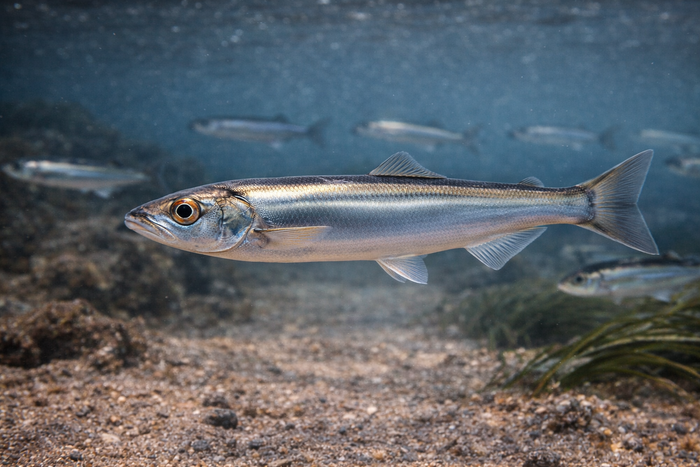
The Bay Anchovy’s uniqueness lies in its sheer abundance and adaptability. Unlike many fish that rely on specific conditions, this species thrives in a range of salinities and temperatures, from brackish estuaries to nearshore ocean waters. Its body is streamlined and translucent, designed for speed and evasion rather than brute strength. But what truly sets it apart is its feeding strategy: it’s a filter feeder that sweeps plankton from the water with remarkable efficiency. This makes it a critical link between microscopic life and larger predators.
Bay Anchovy facts include its rapid growth and short lifespan, which allow populations to bounce back quickly after environmental disturbances. Its reproductive strategy is equally impressive, spawning multiple times during warmer months to maintain steady numbers. This resilience is why the Bay Anchovy remains a staple in coastal ecosystems despite fishing pressures and habitat changes.
Habitat & Global Range
Bay Anchovy habitat spans the western Atlantic coastline, from Nova Scotia down to the Gulf of Mexico. They prefer shallow, warm waters where salinity fluctuates, such as estuaries, bays, and tidal creeks. These environments provide ample plankton and shelter from larger predators. The Bay Anchovy’s ability to tolerate low oxygen levels and varying salinity means it can exploit niches that many other fish avoid.
In terms of habitat, the Bay Anchovy is a master of the in-between zones—neither fully marine nor freshwater. This adaptability allows it to colonize areas with dynamic conditions, such as Chesapeake Bay and the coastal marshes of the southeastern United States. Seasonal migrations are common, with populations moving closer to shore in spring and summer to spawn, then retreating offshore during colder months.
Behavior & Temperament
Bay Anchovies are schooling fish, and they do it with precision. Their synchronized movements create a shimmering, shifting mass that confuses predators and maximizes feeding efficiency. This schooling behavior is not just a survival tactic; it’s a finely tuned social structure that enhances their ability to detect threats and exploit food resources.
Despite their small size, Bay Anchovies are aggressive feeders. They filter plankton by opening their mouths wide and swimming with their gill rakers extended, capturing tiny organisms with surprising speed. Their feeding frenzy can influence plankton populations, which in turn affects water clarity and nutrient cycling.
Temperament-wise, Bay Anchovies are skittish and fast. They rely on speed and numbers rather than hiding or camouflage. When threatened, they dart in tight formations, making it difficult for predators to isolate a single target. This behavior is a textbook example of safety in numbers.
Ecological Importance
The Bay Anchovy is the unsung hero of coastal food webs. It serves as a primary forage fish for a wide range of predators, including larger fish like striped bass and bluefish, seabirds, and even marine mammals. Without the Bay Anchovy, many of these species would struggle to find enough food, especially during critical spawning and migration periods.
Beyond being a food source, the Bay Anchovy plays a vital role in nutrient cycling. By consuming plankton and excreting waste, it helps transfer energy from microscopic producers up the food chain. This process supports the productivity of estuarine ecosystems, which are among the most biologically rich environments on the planet.
Bay Anchovy facts also highlight their role in commercial fisheries, not as a direct target but as baitfish. Their abundance makes them a reliable resource for supporting larger, economically important species. In this way, the Bay Anchovy indirectly sustains fishing industries along the Atlantic coast.
Conservation & Environmental Pressures
Despite their numbers, Bay Anchovies face challenges from habitat degradation, pollution, and climate change. Estuaries and bays are often the first to feel the impact of urban development, agricultural runoff, and industrial waste. These factors can reduce water quality and disrupt the delicate balance of Bay Anchovy habitat.
Climate change adds another layer of complexity. Rising temperatures and altered salinity patterns can shift Bay Anchovy distribution and spawning cycles, potentially decoupling them from the predators that depend on them. Hypoxia, or low oxygen zones, are becoming more frequent in coastal waters, which can stress Bay Anchovy populations despite their tolerance for such conditions.
Conservation efforts focus on protecting estuarine environments and improving water quality. Maintaining healthy Bay Anchovy populations is crucial not just for the species itself but for the entire coastal ecosystem. Monitoring programs track population trends to detect early signs of decline, ensuring that this small fish continues to punch above its weight.
The FishyAF Take
The Bay Anchovy is a classic example of why size doesn’t matter in the ocean. This tiny fish is a powerhouse of ecological function, a linchpin species that supports entire food webs and sustains commercial fisheries indirectly. Understanding Bay Anchovy facts and habitat is essential for anyone serious about coastal marine biology or fisheries management.
If you’re fishing along the Atlantic coast, chances are you’re relying on the Bay Anchovy’s existence without even knowing it. This species deserves more respect than it gets. It’s not flashy or large, but it’s indispensable. Keep an eye on Bay Anchovy populations—they’re a barometer for the health of our coastal waters. Protecting them means protecting the future of countless other species, including the ones we eat and admire.
In short, the Bay Anchovy is small, fast, and everywhere. It’s a reminder that in the ocean, the little guys often run the show.