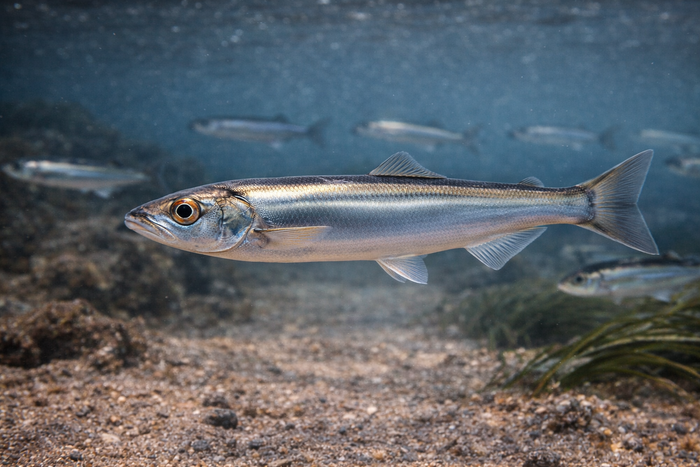
Ballyhoo (Hemiramphus brasiliensis): The Speedy Surface Skimmer That Hooks More Than Just Anglers
If you’ve ever tangled with a saltwater rig chasing billfish or tuna, you’ve likely encountered the Ballyhoo. This sleek, silver missile darts across tropical and subtropical waters, serving as both a vital forage fish and a favorite bait. Ballyhoo facts reveal a fish that’s more than just a flashy appetizer for predators—it’s a fascinating species with unique adaptations and a crucial role in marine ecosystems. Let’s dive into what makes the Ballyhoo stand out in the crowded world of coastal fish.
What Makes the Ballyhoo Unique?
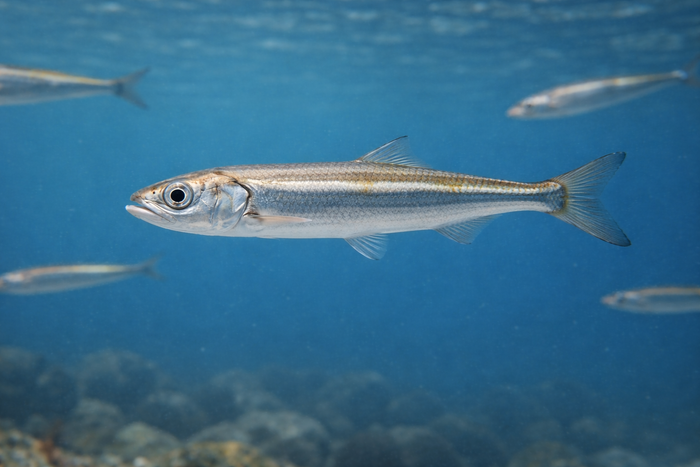
The Ballyhoo is a halfbeak, a group known for their elongated lower jaws that give them a distinctive profile. Unlike many fish that rely on stealth or brute force, Ballyhoo use speed and agility to evade predators. Their streamlined bodies and powerful tails allow them to skim just beneath the water’s surface, often seen leaping or skipping across waves. This behavior isn’t just showmanship—it’s a survival tactic.
One of the most striking Ballyhoo facts is their jaw structure. The lower jaw extends well beyond the upper, creating a beak-like shape perfect for snatching plankton, small fish, and crustaceans near the surface. This adaptation also makes them ideal bait for anglers targeting larger game fish, as their natural silhouette and movement mimic the prey of many predators.
Habitat & Global Range
Ballyhoo habitat spans the warm coastal waters of the western Atlantic Ocean, from Massachusetts down through the Gulf of Mexico, the Caribbean, and along the coast of Brazil. They thrive in tropical and subtropical zones, favoring shallow waters near reefs, mangroves, and seagrass beds. These environments provide ample food and shelter from larger predators.
Their preference for surface waters means Ballyhoo are often found in schools just below the waterline, darting in and out of sunlight and shadow. This schooling behavior enhances their survival odds and makes them easier to spot for fishermen. Ballyhoo habitat is closely tied to temperature and salinity, so they tend to avoid colder or overly fresh waters, sticking to stable marine environments.
Behavior & Temperament
Ballyhoo are fast, skittish, and highly social. They form large schools that move in tight formations, a classic defense mechanism against predators. Their surface-skimming lifestyle means they are constantly on the move, feeding on plankton and small fish while staying alert for threats.
Despite their speed, Ballyhoo are not aggressive. They rely on evasion rather than confrontation. When threatened, they may leap out of the water, a behavior that can confuse predators and help them escape. Their schooling also serves as a confusing visual barrier, making it difficult for predators to single out individuals.
Ecological Importance
Ballyhoo play a pivotal role in coastal food webs. As mid-level forage fish, they convert plankton and small invertebrates into a form digestible by larger predators. This makes them a key energy conduit in marine ecosystems, supporting species like tuna, marlin, dolphinfish, and seabirds.
Their presence indicates healthy coastal habitats. Ballyhoo populations can reflect the state of reef and seagrass ecosystems since they depend on these environments for food and shelter. Declines in Ballyhoo numbers can signal broader ecological issues, such as habitat degradation or overfishing.
Conservation & Environmental Pressures
While Ballyhoo are not currently listed as endangered, they face pressures from habitat loss, pollution, and overharvesting. Coastal development and water quality degradation threaten the mangroves and seagrass beds critical to their survival. Additionally, Ballyhoo are heavily harvested as baitfish, which can impact local populations if not managed sustainably.
Climate change also poses a risk by altering water temperatures and currents, potentially shifting Ballyhoo habitat ranges and affecting their reproductive cycles. Monitoring Ballyhoo populations and protecting their habitats is essential to maintaining the balance of coastal marine ecosystems.
The FishyAF Take
The Ballyhoo is a prime example of nature’s efficiency—built for speed, survival, and serving a bigger purpose in the ocean’s food chain. For anglers, they’re the go-to bait that can make or break a day on the water. For ecologists, they’re a barometer of coastal health. Understanding Ballyhoo facts and their habitat isn’t just trivia; it’s a window into the complex dance of marine life.
Next time you see a flash of silver skimming the surface, remember the Ballyhoo isn’t just a baitfish. It’s a vital player in the ocean’s drama, a survivor of the surface, and a sleek reminder that sometimes, the smallest fish make the biggest splash.