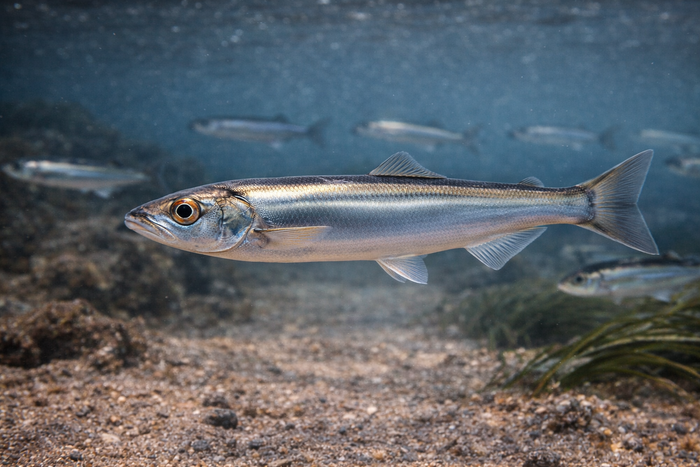
Striped Killifish (Fundulus majalis): Coastal Stripes That Command Attention and Respect
The Striped Killifish, Fundulus majalis, is a coastal marvel that doesn’t just blend into the background. With its bold horizontal stripes and rugged survival skills, this fish is a standout in the shallow waters of the Atlantic coast. It’s not just another pretty face in the killifish family; it’s a resilient, adaptable species that plays a crucial role in its ecosystem. If you’re diving into Striped Killifish facts, prepare to meet a fish that’s as tough as it is striking.
What Makes the Striped Killifish Unique?
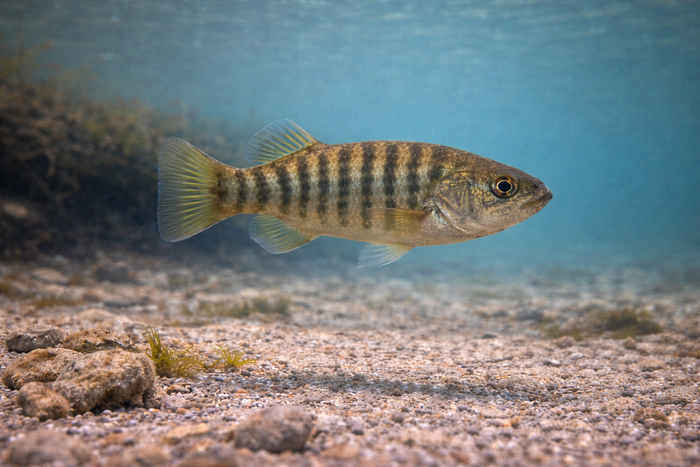
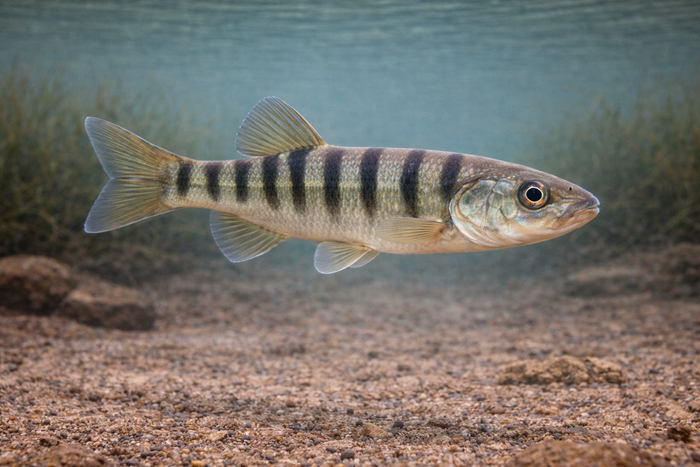
Striped Killifish wear their name on their body—distinctive black stripes run along their silvery sides, creating a pattern that’s both a warning and a camouflage. But their uniqueness goes beyond looks. Unlike many killifish that prefer freshwater, Fundulus majalis thrives in brackish and marine environments, showing impressive tolerance to varying salinity levels. This adaptability makes them a key player in estuarine ecosystems where salt and fresh water mix.
Their mouth structure is another standout feature. Designed for bottom feeding, the Striped Killifish can pick through sediment and detritus to find small invertebrates and organic matter. This feeding strategy keeps the benthic environment in check, preventing overgrowth of certain species and maintaining balance.
Habitat & Global Range
Striped Killifish habitat is primarily along the Atlantic coast of North America, from the Gulf of St. Lawrence in Canada down to northern Florida. They favor shallow coastal waters, salt marshes, tidal creeks, and estuaries where water conditions fluctuate with the tides. These environments are nutrient-rich and dynamic, perfect for a species that thrives on adaptability.
Their presence in salt marshes is particularly notable. These areas serve as nurseries for many marine species, and the Striped Killifish is often found darting through the submerged grasses and mudflats. Their ability to tolerate low oxygen levels and varying salinity gives them an edge in these challenging habitats.
Behavior & Temperament
Don’t expect a flashy, aggressive predator here. The Striped Killifish is more of a cautious opportunist. It spends much of its time near the bottom, foraging for small crustaceans, worms, and insect larvae. Its behavior is a masterclass in energy efficiency—move just enough to find food, avoid predators, and conserve resources.
Socially, they tend to form loose groups but don’t exhibit strong schooling behavior. This makes sense given their habitat; dense vegetation and complex substrates mean tight schools would be more of a liability than an advantage. They’re quick to dart into cover when threatened, relying on their stripes to break up their outline and confuse predators.
Ecological Importance
Striped Killifish are more than just a pretty face in the salt marsh. They are vital in controlling populations of small invertebrates, which can otherwise explode and disrupt the delicate balance of their ecosystems. By feeding on these organisms, they help maintain sediment health and water quality.
They also serve as a crucial food source for larger fish, birds, and even some mammals. Their role as both predator and prey places them squarely in the middle of the coastal food web. This makes them an indicator species; healthy populations often signal a well-functioning estuarine environment.
Conservation & Environmental Pressures
Despite their adaptability, Striped Killifish face significant environmental pressures. Coastal development, pollution, and habitat destruction threaten the salt marshes and estuaries they call home. These habitats are among the most vulnerable ecosystems due to their proximity to expanding human populations.
Pollutants like heavy metals and pesticides accumulate in sediments where Striped Killifish feed, posing risks to their health and reproductive success. Climate change adds another layer of complexity, altering salinity patterns and increasing the frequency of extreme weather events that can devastate their habitats.
Conservation efforts focus on protecting and restoring salt marshes and estuarine environments. Maintaining water quality and limiting coastal development are critical steps. Monitoring Striped Killifish populations provides valuable data on the health of these ecosystems, making them a focal point for conservation biology.
The FishyAF Take
Striped Killifish are the unsung heroes of the Atlantic coast’s salt marshes. They’re not flashy show-offs but quietly effective players in a complex ecological game. Their striped armor is more than just a pattern—it’s a symbol of resilience and adaptability in a world of shifting tides and human pressures.
If you’re interested in coastal ecology or just want to know more about a species that punches above its weight, the Striped Killifish is a perfect case study. Their ability to thrive in challenging environments while supporting the broader ecosystem makes them a species worth watching—and protecting.
Understanding Striped Killifish facts and their habitat isn’t just academic. It’s a reminder that even the smallest fish can have a big impact. So next time you’re near a salt marsh or tidal creek, keep an eye out for those bold stripes. They’re a sign that nature is still holding its ground, one fish at a time.