Bullseye Snakehead (Channa marulius): The Predator with a Target on Its Back
The Bullseye Snakehead is not your average freshwater fish. Sporting a fierce reputation and a striking appearance, this species commands attention wherever it swims. Known scientifically as Channa marulius, it’s a top predator in its native waters and a subject of fascination for aquarists and ecologists alike. This guide dives deep into Bullseye Snakehead facts, revealing why this fish is as formidable as it is fascinating.
What Makes the Bullseye Snakehead Unique?
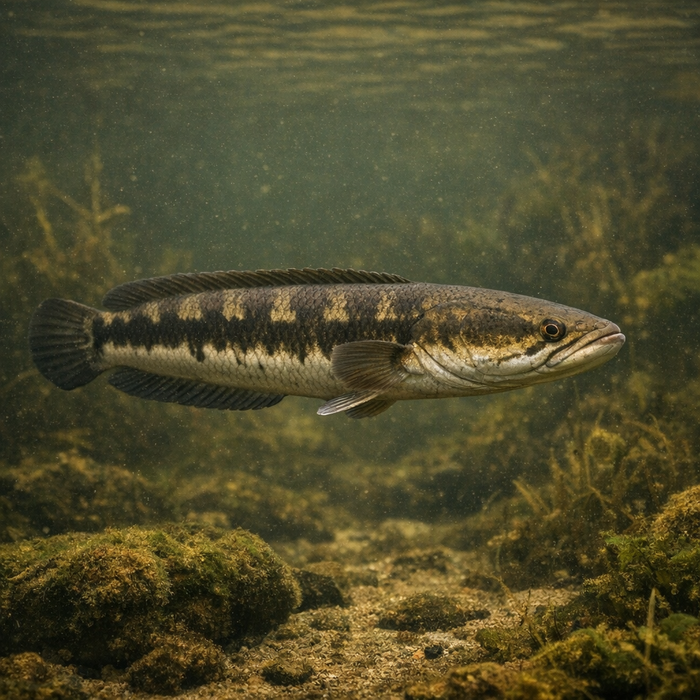
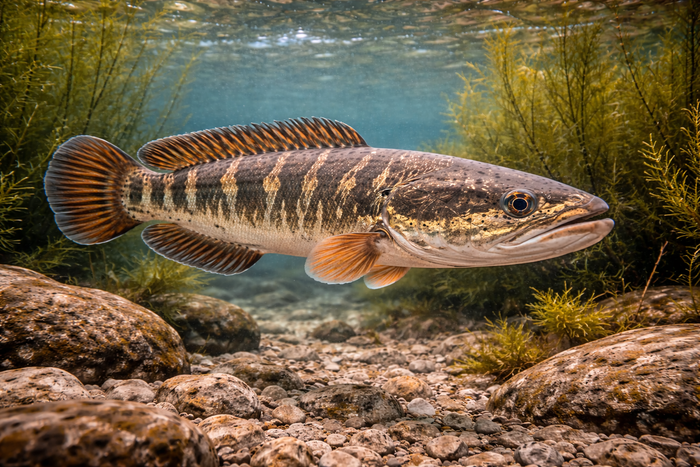
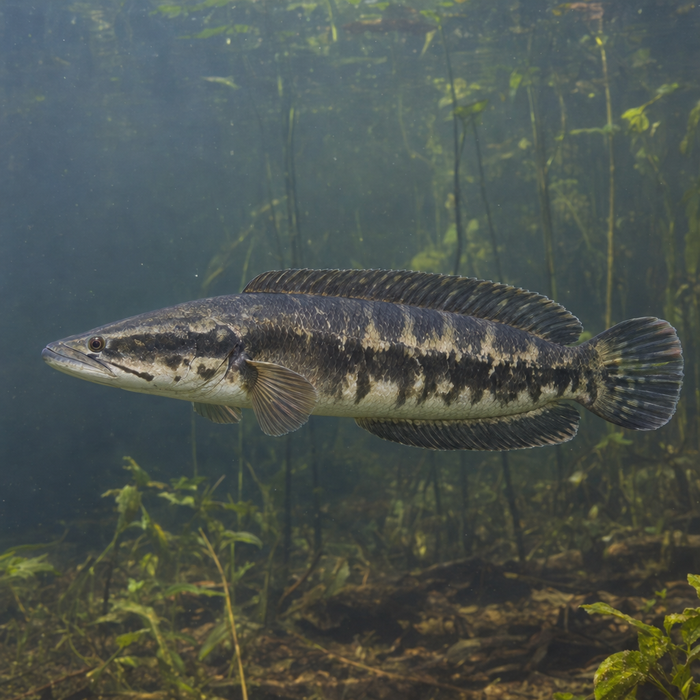
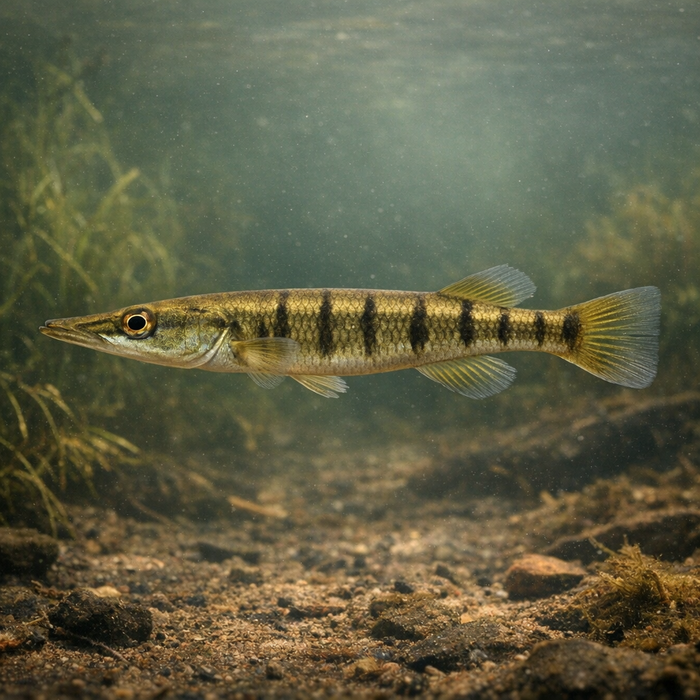
The Bullseye Snakehead stands out for several reasons. First, its name comes from the distinctive large, dark circular spot on its body that resembles a bullseye target. This marking isn’t just for show—it plays a role in confusing prey and rivals alike. Beyond looks, the Bullseye Snakehead is a master of survival. It can breathe atmospheric air thanks to a specialized labyrinth organ, allowing it to survive in oxygen-poor waters where other fish would perish. This ability also lets it traverse short distances over land in search of new habitats, a trait that has helped it expand its range.
Its size is another factor. Bullseye Snakeheads are among the largest snakehead species, growing to impressive lengths that make them apex predators in their ecosystems. Their elongated bodies, powerful jaws, and sharp teeth enable them to hunt a wide variety of prey, from smaller fish to amphibians and even small mammals if the opportunity arises.
Habitat & Global Range
Bullseye Snakehead habitat is primarily freshwater rivers, lakes, and reservoirs across South Asia. They are native to the Indian subcontinent, including India, Bangladesh, Nepal, and Sri Lanka. These fish prefer slow-moving or stagnant waters with plenty of vegetation, which provides cover for ambush hunting.
Their ability to breathe air and move short distances on land has allowed them to colonize isolated water bodies and even survive seasonal droughts. However, this adaptability has also contributed to their introduction in non-native regions, sometimes with problematic ecological consequences.
Behavior & Temperament
Bullseye Snakeheads are aggressive, territorial, and highly predatory. They are ambush hunters, relying on stealth and sudden bursts of speed to capture prey. Their behavior is bold and confident, which can make them challenging to keep in captivity. They don’t tolerate tank mates well and can become highly aggressive during breeding seasons.
Parental care is another notable behavior. Bullseye Snakeheads are known for guarding their eggs and fry diligently, a trait that increases their survival rate in the wild. This protective instinct is rare among many fish species and highlights their evolutionary success.
Ecological Importance
As apex predators, Bullseye Snakeheads play a crucial role in maintaining the balance of their aquatic ecosystems. By controlling populations of smaller fish and amphibians, they help prevent overpopulation and the depletion of resources. Their presence indicates a healthy, functioning ecosystem with adequate prey and habitat complexity.
However, their predatory nature also means they can disrupt local biodiversity if introduced outside their native range. Invasive populations can decimate native fish communities, leading to ecological imbalances and economic impacts on fisheries.
Conservation & Environmental Pressures
Despite their robust nature, Bullseye Snakeheads face threats from habitat destruction, pollution, and overfishing in parts of their native range. Wetland drainage and river damming reduce available habitat, while water contamination affects their health and reproductive success.
Invasive populations have led to strict regulations in some countries to prevent their spread. Conservation efforts focus on habitat protection and sustainable fishing practices to ensure that Bullseye Snakehead populations remain stable and ecosystems stay balanced.
The FishyAF Take
The Bullseye Snakehead is a fish that demands respect. It’s a living example of evolutionary ingenuity, combining physical prowess with behavioral sophistication. For anglers and aquarists, it offers a thrilling challenge, but it’s not a species to be taken lightly. Its aggressive nature and environmental impact make it a double-edged sword—both a vital ecosystem player and a potential ecological threat.
Understanding Bullseye Snakehead facts and habitat is essential for anyone interested in freshwater biodiversity or invasive species management. This fish embodies the complexity of aquatic ecosystems and the delicate balance between survival and disruption. Keep it wild, keep it smart, and never underestimate the Bullseye Snakehead.