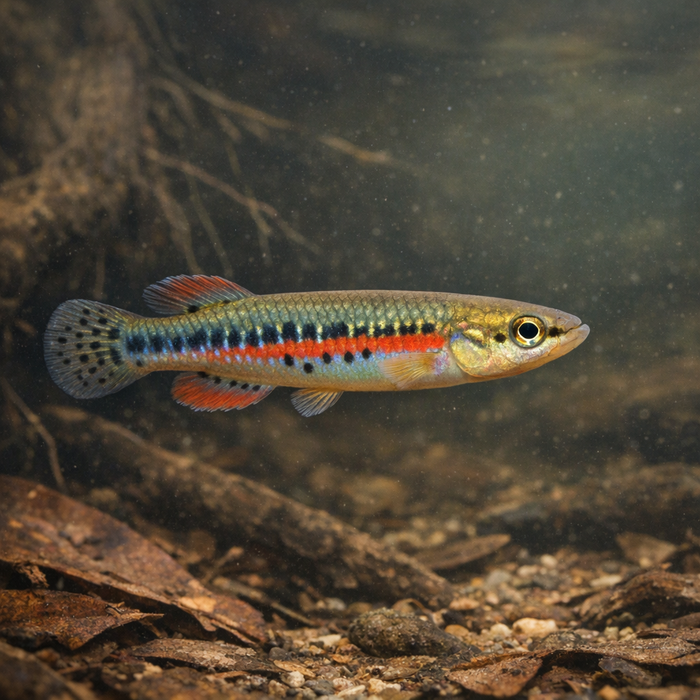
Northern Snakehead (Channa argus): The Fish That Refuses to Stay in One Pond
Meet the Northern Snakehead, a freshwater predator that’s as notorious as it is fascinating. With a name that conjures images of slithering reptiles and a reputation for survival skills that border on legendary, this fish commands attention. Native to parts of Asia but infamous in North America for its invasive tendencies, the Northern Snakehead is a species that challenges ecosystems and anglers alike. If you want Northern Snakehead facts that go beyond the surface, you’re in the right place.
What Makes the Northern Snakehead Unique?
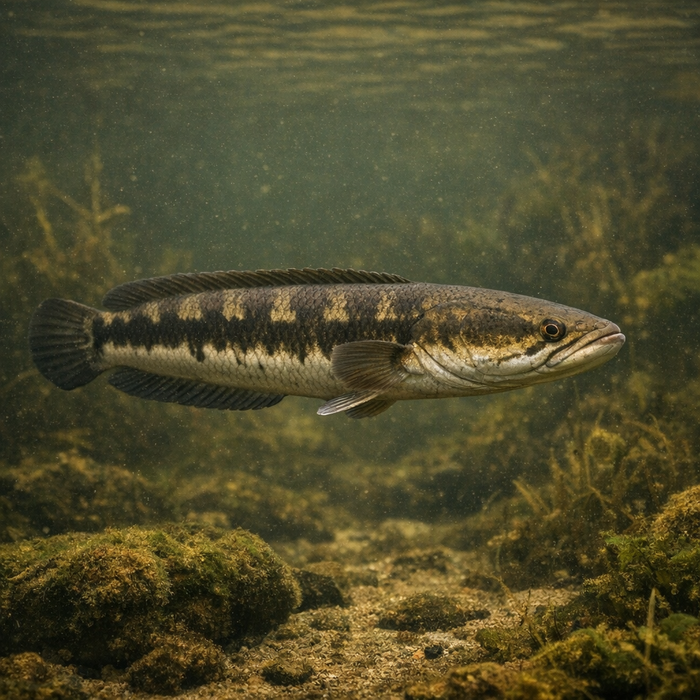
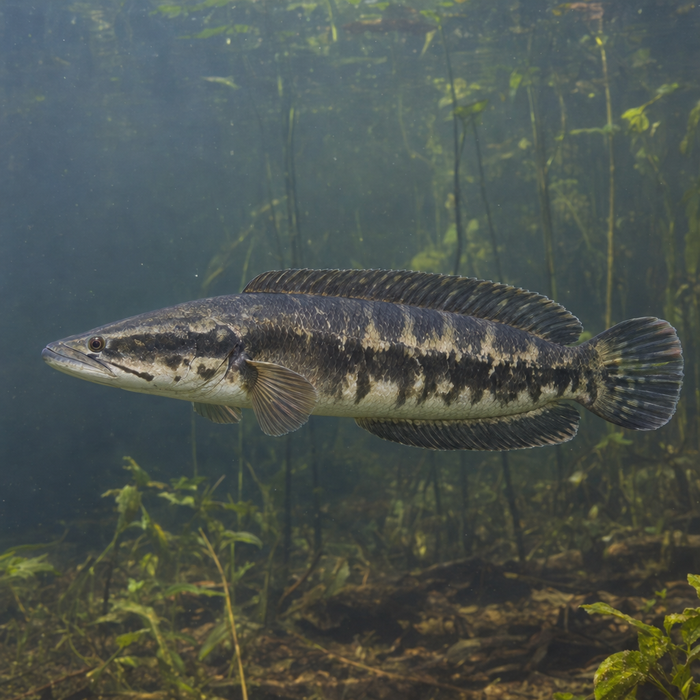
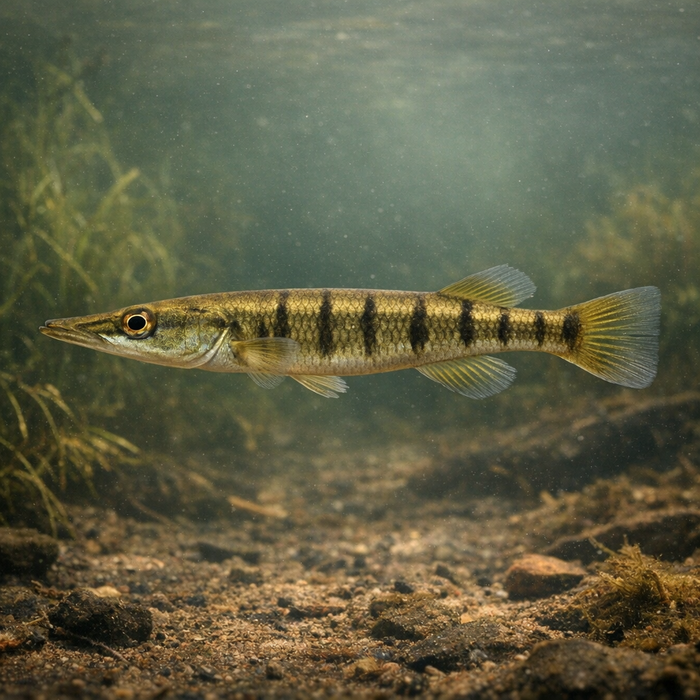
The Northern Snakehead isn’t your average fish. Its elongated body and snake-like head give it a distinctive look that’s both intimidating and intriguing. But it’s not just about appearance. This species boasts an extraordinary ability to breathe air thanks to a specialized suprabranchial organ. That means it can survive out of water for up to several days if conditions are right, slithering across land to find new territory. This amphibious skill is rare among fish and a key factor in its invasive success.
Another standout trait is its aggressive predatory behavior. Northern Snakeheads are top-tier hunters, feeding on a wide variety of prey including other fish, amphibians, and even small birds. Their sharp teeth and powerful jaws make short work of their meals. Add to that a high reproductive rate—females can lay tens of thousands of eggs per season—and you have a recipe for rapid population growth.
Habitat & Global Range
Originally native to freshwater bodies in China, Russia, and Korea, the Northern Snakehead has expanded its range dramatically, mostly due to human activity. It thrives in slow-moving or stagnant waters like ponds, lakes, swamps, and rivers. Its preference for warm, shallow waters with plenty of vegetation provides ample cover for ambush hunting.
In North America, the Northern Snakehead has become an unwelcome guest in several states, including Maryland, Virginia, and Pennsylvania. Its ability to survive in diverse freshwater habitats and tolerate low oxygen levels makes it a formidable invader. This adaptability to different Northern Snakehead habitats is a major reason why it’s so hard to control once established.
Behavior & Temperament
If you thought fish were mostly passive, think again. The Northern Snakehead is a bold, territorial species that doesn’t shy away from confrontation. It’s known for aggressive behavior, especially during breeding season when males guard nests fiercely. This territoriality can disrupt native fish populations by outcompeting them for food and space.
Northern Snakeheads are solitary hunters, relying on stealth and sudden bursts of speed to catch prey. They’re mostly active during the day but can adapt their feeding habits based on environmental conditions. Their ability to breathe air also means they can survive in oxygen-poor waters where other fish struggle, giving them an edge in tough environments.
Ecological Importance
In its native range, the Northern Snakehead plays a crucial role as a top predator, helping maintain balanced ecosystems by controlling populations of smaller fish and amphibians. Its presence can influence the structure of aquatic communities, promoting biodiversity by preventing any one species from dominating.
However, outside its native habitat, the Northern Snakehead’s ecological impact is far less positive. Invasive populations disrupt local food webs, threaten native species, and alter habitat conditions. Their aggressive feeding habits can decimate native fish stocks, some of which are already vulnerable or endangered. This ecological imbalance can cascade through the ecosystem, affecting everything from water quality to bird populations.
Conservation & Environmental Pressures
While the Northern Snakehead faces no immediate conservation concerns in its native range, its invasive status elsewhere has prompted significant management efforts. Eradication attempts include targeted fishing, chemical treatments, and public awareness campaigns to prevent accidental spread.
Environmental pressures such as habitat destruction and pollution affect native populations, but the species’ resilience often buffers it against these threats. Ironically, its invasive success creates a conservation paradox: protecting the species in its home waters while controlling it aggressively abroad.
The FishyAF Take
The Northern Snakehead is a fish that demands respect. It’s a master survivor with a suite of adaptations that make it both fascinating and formidable. From its air-breathing lungs to its aggressive hunting tactics, this species is a textbook example of evolutionary ingenuity.
But the Northern Snakehead also serves as a cautionary tale about the consequences of human interference in ecosystems. Its invasive spread highlights the delicate balance of aquatic environments and the challenges of managing species that refuse to play by the rules.
For anglers and conservationists alike, understanding Northern Snakehead facts and habitat preferences is critical. This fish isn’t just a curiosity; it’s a force of nature that reshapes waters wherever it swims. Whether you’re fascinated by its biology or concerned about its impact, the Northern Snakehead is a species that won’t be ignored anytime soon.