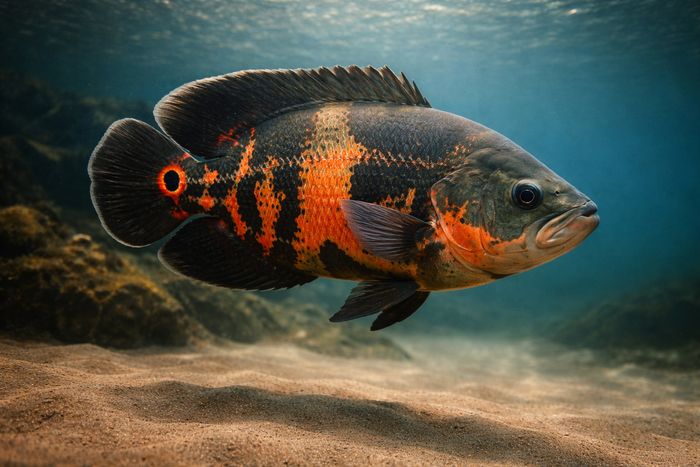
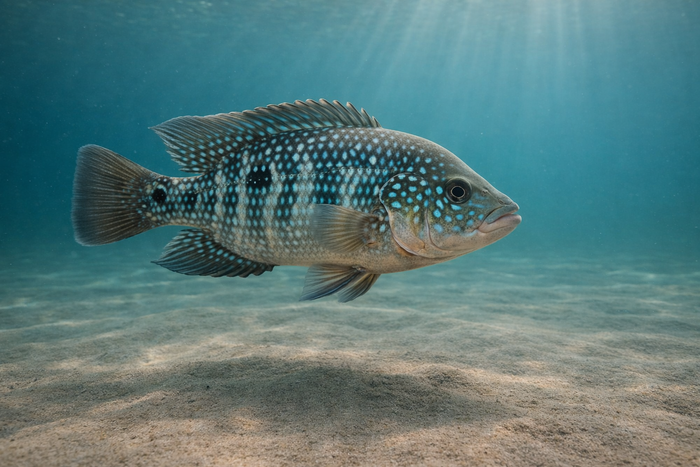
Pearlscale Cichlid (Geophagus brasiliensis): The Earth-Moving Beauty of South American Waters
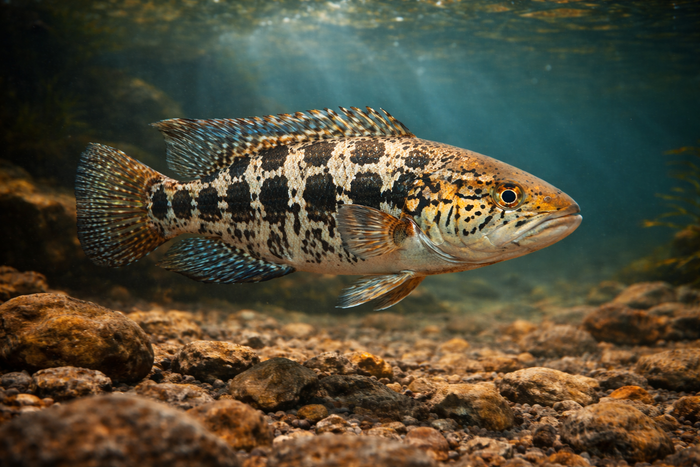
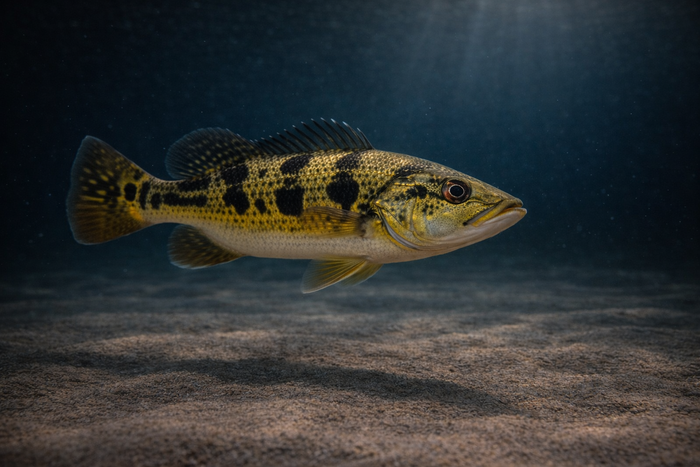
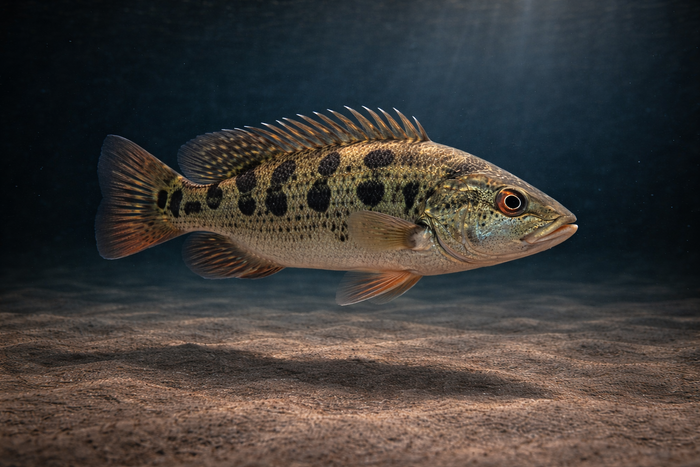
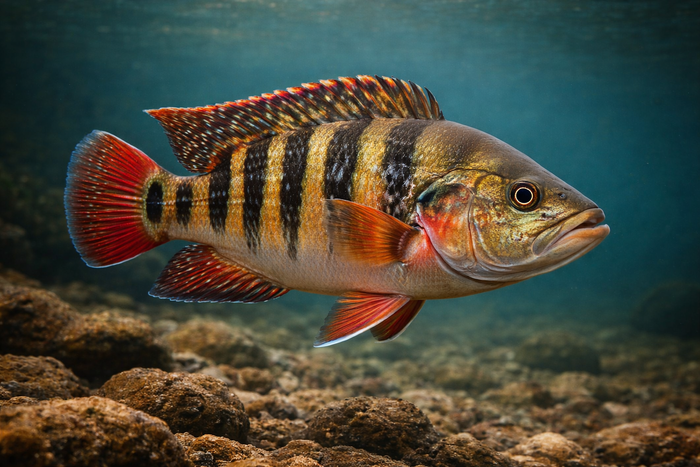
The Pearlscale Cichlid, scientifically known as Geophagus brasiliensis, is not your average aquarium fish. With its shimmering, pearl-like scales and robust, muscular frame, this species commands attention both in the wild and in captivity. It’s a cichlid that combines striking aesthetics with fascinating behavior, making it a favorite among serious aquarists and biologists alike. If you’re diving into Pearlscale Cichlid facts, prepare to meet a fish that’s as bold in personality as it is in appearance.
What Makes the Pearlscale Cichlid Unique?
The standout feature of the Pearlscale Cichlid is, without question, its iridescent scales that glisten like tiny pearls scattered across its body. This isn’t just for show. The reflective quality of these scales plays a role in communication and camouflage in their natural environment. Beyond looks, Geophagus brasiliensis is a “earth-eater,” known for its distinctive feeding behavior where it sifts through substrate to find food. This behavior is not just quirky; it’s a vital adaptation that influences its role in the ecosystem.
Unlike many cichlids that rely heavily on aggressive territoriality, Pearlscales exhibit a more nuanced social structure. They balance assertiveness with social tolerance, which can make them surprisingly compatible tank mates if their environment is managed well. Their intelligence shines through in their ability to recognize and remember other fish, and in their complex breeding rituals, which include meticulous nest building and parental care.
Habitat & Global Range
Pearlscale Cichlids hail from the freshwater river systems of South America, primarily Brazil, Uruguay, and Argentina. Their Pearlscale Cichlid habitat consists of slow-moving rivers, streams, and floodplains with sandy or muddy bottoms. These environments provide the perfect substrate for their signature earth-sifting feeding style. Water clarity varies, but they thrive in slightly acidic to neutral pH levels and moderate temperatures, mirroring the subtropical climate of their native range.
Their distribution is fairly broad within these river basins, but they prefer areas rich in submerged roots and leaf litter, which offer both food sources and shelter. This habitat preference underscores their role as ecosystem engineers, constantly disturbing the substrate and influencing sediment distribution and nutrient cycling.
Behavior & Temperament
Pearlscale Cichlids are a study in contrasts. They are bold and confident, yet not mindlessly aggressive. Their temperament is best described as assertive but socially aware. In the wild, they form loose hierarchies and show complex social interactions, including cooperative behaviors during breeding seasons.
In captivity, they require ample space and a well-structured environment to express natural behaviors. They are substrate sifters, so a sandy bottom is essential. Expect them to dig and rearrange their tank, which can frustrate aquarists who prefer pristine setups. However, this digging is a natural behavior that keeps them healthy and mentally stimulated.
They are territorial during breeding but generally peaceful otherwise. Their intelligence means they can recognize their owners and even learn feeding routines. This makes them engaging pets for those willing to meet their environmental and social needs.
Ecological Importance
The Pearlscale Cichlid plays a critical role in its native ecosystems. By sifting through sediment, it aerates the riverbed and helps cycle nutrients, which benefits plant growth and maintains water quality. This bioturbation also influences the distribution of microorganisms and small invertebrates, creating a dynamic and balanced aquatic environment.
Their feeding habits help control populations of benthic invertebrates, keeping the ecosystem in check. Additionally, as prey for larger fish and birds, they are an integral link in the food web. Their breeding behavior, which involves guarding eggs and fry, contributes to population stability, ensuring their continued role in ecosystem dynamics.
Conservation & Environmental Pressures
While not currently listed as endangered, the Pearlscale Cichlid faces threats from habitat degradation and pollution. Agricultural runoff, dam construction, and deforestation in South America have altered many river systems, impacting water quality and substrate composition. These changes can disrupt their feeding and breeding behaviors, leading to population declines.
Invasive species and overfishing also pose risks in some areas. The aquarium trade, while a double-edged sword, has helped raise awareness about this species but can contribute to local population pressures if not managed responsibly.
Conservation efforts focus on habitat preservation and sustainable water management. Protecting the natural Pearlscale Cichlid habitat is crucial not only for this species but for the broader biodiversity of South American freshwater ecosystems.
The FishyAF Take
The Pearlscale Cichlid is a fish that demands respect. It’s not a beginner’s pet or a showy, low-maintenance tank filler. It’s a living piece of South American river ecology, a substrate-sifting dynamo with a personality as vivid as its scales. If you’re serious about understanding cichlids or want a centerpiece fish that brings both beauty and brains to your aquarium, the Pearlscale is your go-to.
Its unique feeding behavior and social complexity make it a fascinating study in fish intelligence and adaptation. But don’t mistake its charm for docility. This fish needs space, proper water conditions, and a substrate it can dig through to thrive. Neglect those needs, and you’ll have a stressed, unhappy fish rather than the bold, memorable creature it’s meant to be.
In short, the Pearlscale Cichlid is a standout species that embodies the wild spirit of South American freshwater habitats. Knowing Pearlscale Cichlid facts and understanding its habitat requirements will set you apart as a knowledgeable aquarist or enthusiast. Treat it right, and you’ll have a fish that’s as rewarding to watch as it is to learn from.