Mayan Cichlid (Mayaheros urophthalmus): The Feisty Fish That Commands Attention in Freshwater and Brackish Waters
The Mayan Cichlid is not your average aquarium or wild freshwater fish. Known scientifically as Mayaheros urophthalmus, this species packs a punch with its bold colors, aggressive nature, and adaptability. Native to Central America, it has carved out a niche in both natural and introduced environments, making it a subject of interest for anglers, aquarists, and ecologists alike. This guide dives deep into Mayan Cichlid facts and habitat details, offering a comprehensive look at what makes this fish stand out in the crowded world of cichlids.
What Makes the Mayan Cichlid Unique?
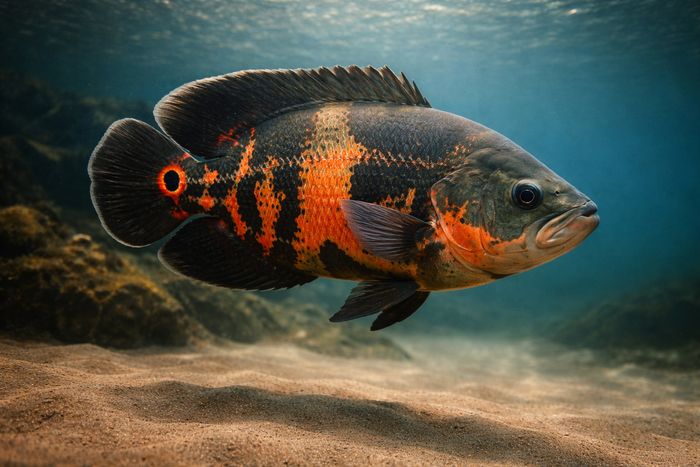
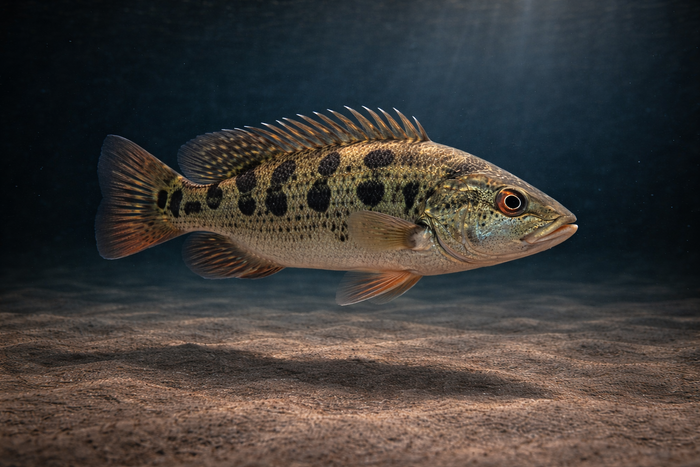
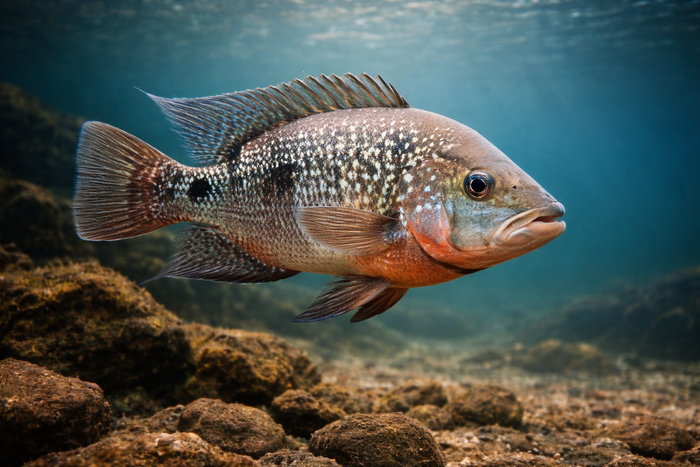
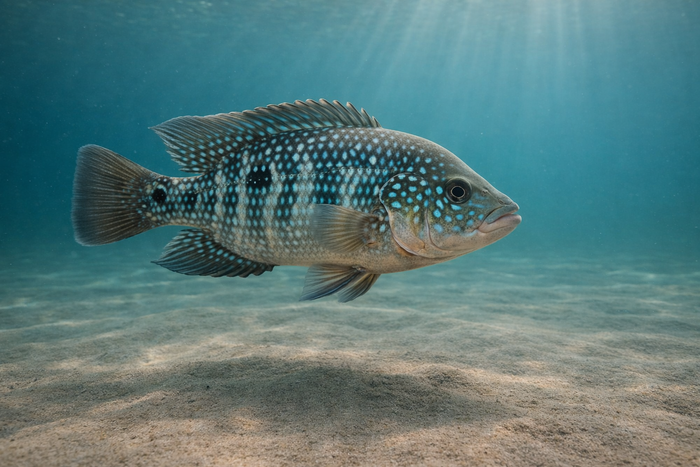
The Mayan Cichlid is instantly recognizable by its striking coloration and distinctive black spot on the tail base, often surrounded by a blue halo. Its body sports a palette of orange, red, and olive hues with vertical bars that fade as the fish matures. Unlike many cichlids that stick to freshwater, the Mayan Cichlid thrives in both freshwater and brackish environments, showcasing remarkable salinity tolerance.
Behaviorally, it is a bold and territorial species. It doesn’t shy away from confrontation, making it a dominant presence in its habitat. This aggression is coupled with high parental investment; both parents fiercely guard their eggs and fry, a trait that boosts survival rates in the wild. Its diet is opportunistic, ranging from small fish and invertebrates to plant matter, reflecting its adaptability and predatory edge.
Habitat & Global Range
Originally, the Mayan Cichlid was native to the Atlantic slope of Central America, including southern Mexico, Belize, Guatemala, Honduras, and Nicaragua. Its preferred Mayan Cichlid habitat includes slow-moving rivers, lakes, swamps, and coastal lagoons where freshwater meets brackish water. This species thrives in warm, shallow waters with plenty of cover like submerged roots, vegetation, and rocky crevices.
In recent decades, the Mayan Cichlid has expanded its range, notably establishing populations in South Florida. This introduction is a classic example of a non-native species adapting and spreading in new environments, often to the detriment of local ecosystems. Its ability to tolerate varying salinity levels and temperatures gives it a competitive edge over many native fish species.
Behavior & Temperament
The Mayan Cichlid’s temperament is a study in controlled chaos. It’s aggressive and territorial, especially during breeding seasons, making it a challenging but rewarding species for experienced aquarists. This fish doesn’t just stake out territory; it actively defends it with a mix of displays and physical confrontations.
Socially, Mayan Cichlids are not schooling fish. They prefer solitary or paired existence, especially when breeding. Their aggressive nature means they can be hostile to other fish, particularly smaller or less assertive species. This behavior is a survival strategy in the wild, ensuring access to food and breeding sites.
Despite their aggression, Mayan Cichlids are intelligent and adaptable. They learn to recognize threats and competitors, adjusting their behavior accordingly. This adaptability extends to their feeding habits, where they switch from carnivorous to omnivorous diets based on availability, making them resilient survivors.
Ecological Importance
In their native ecosystems, Mayan Cichlids play a crucial role as mid-level predators. They help control populations of smaller fish and invertebrates, maintaining a balance that supports biodiversity. Their feeding habits contribute to nutrient cycling, especially in brackish environments where they consume detritus and algae alongside animal prey.
Their aggressive territorial behavior influences the spatial distribution of other species, indirectly shaping community structures. By defending breeding sites and aggressively excluding competitors, they create microhabitats that can support diverse aquatic life.
However, in non-native regions like Florida, their ecological role shifts. They become invasive, outcompeting native fish for resources and altering food webs. This disruption can lead to declines in native species and changes in habitat quality, highlighting the complex impact of species introductions.
Conservation & Environmental Pressures
While the Mayan Cichlid is not currently listed as endangered, it faces environmental pressures that could impact local populations. Habitat destruction, pollution, and water management practices threaten the slow-moving freshwater and brackish systems they depend on. Wetland drainage and coastal development reduce available habitat, while water contamination affects their health and reproductive success.
In areas where they are invasive, efforts focus on control rather than conservation. Managing their populations involves balancing ecological integrity with the realities of established non-native species. Climate change adds another layer of complexity, potentially expanding their range but also introducing new environmental stressors.
The FishyAF Take
The Mayan Cichlid is a fish that demands respect. Its bold colors and aggressive nature make it impossible to ignore, whether you’re an angler, aquarist, or ecologist. It’s a master of adaptation, thriving in diverse environments and challenging the status quo of native fish communities where introduced.
For those interested in Mayan Cichlid facts, understanding its habitat and behavior is key to appreciating its role in aquatic ecosystems. It’s a species that embodies resilience and territorial dominance, traits that have allowed it to survive and expand in a rapidly changing world.
If you’re considering adding one to your tank, be prepared for a fish that’s as feisty as it is beautiful. And if you’re managing ecosystems where it’s invasive, know that this cichlid is a formidable opponent, one that requires strategic thinking and respect to keep in check.
In short, the Mayan Cichlid is a bold player in the freshwater and brackish game. It’s a reminder that in the world of fish, survival favors the adaptable, the aggressive, and the colorful.