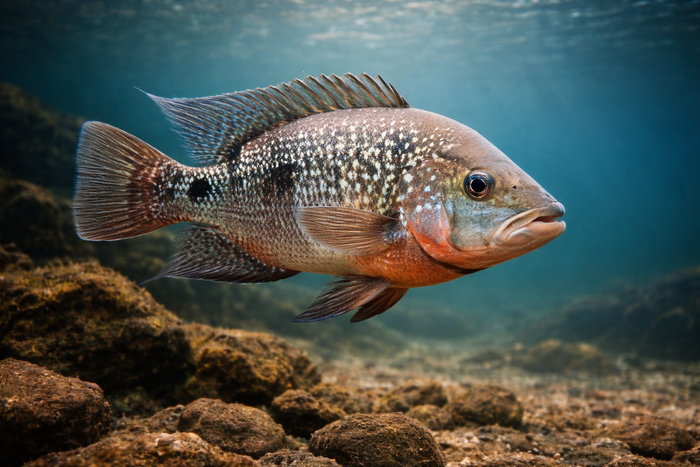
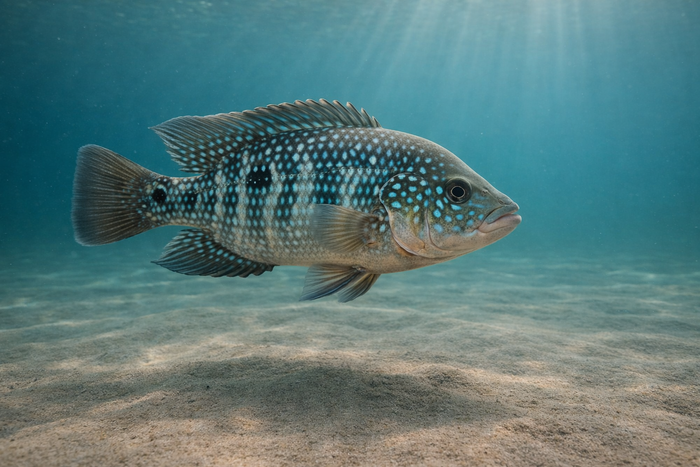
Nile Tilapia (Oreochromis niloticus): The Fish That Built Aquaculture and Stirred Up Ecosystems
Meet the Nile Tilapia, a fish that’s as tough as it is adaptable. Known scientifically as Oreochromis niloticus, this species has become a cornerstone of global aquaculture and a subject of intense ecological debate. Whether you’re a fish enthusiast, an aquaculture professional, or just curious about one of the most widespread freshwater fish on the planet, understanding the Nile Tilapia is essential. This guide dives deep into Nile Tilapia facts, their natural habitat, behavior, and the environmental ripple effects they cause.
What Makes the Nile Tilapia Unique?
Nile Tilapia stands out for its remarkable resilience and reproductive prowess. Unlike many fish, it can tolerate a wide range of water conditions, from low oxygen levels to varying temperatures. This adaptability has made it a favorite for fish farming worldwide. Its mouthbrooding behavior is another standout trait: the female carries fertilized eggs and fry in her mouth until they’re ready to fend for themselves, providing a built-in survival advantage for the young.
Physiologically, Nile Tilapia is a robust, fast-growing species with a diet that’s impressively flexible. It’s primarily herbivorous but will opportunistically consume small invertebrates. This omnivorous diet helps it thrive in diverse environments. Its growth rate and ease of breeding have made it a go-to species for food production, but these same traits have also contributed to its invasive potential.
Habitat & Global Range
Originally native to the Nile River basin and other parts of northern and central Africa, the Nile Tilapia’s natural habitat includes rivers, lakes, and reservoirs with warm, slow-moving waters. It prefers freshwater environments but can tolerate slightly brackish conditions. The fish’s natural range is primarily tropical and subtropical, where water temperatures hover between 22 and 30 degrees Celsius.
However, the Nile Tilapia’s global footprint has expanded dramatically due to human intervention. It has been introduced to Asia, the Americas, and parts of Europe for aquaculture and fisheries enhancement. These introductions have often been successful because the fish can establish populations in a variety of freshwater systems, sometimes outcompeting native species.
Understanding Nile Tilapia habitat is crucial for managing its populations and mitigating ecological impacts. Its ability to colonize new environments is both a testament to its hardiness and a warning sign for biodiversity.
Behavior & Temperament
Nile Tilapia exhibits social and territorial behaviors that vary with age and environment. Juveniles tend to school for protection, while adults establish territories, especially during breeding seasons. Males are known for their aggressive defense of nesting sites, which they prepare by clearing substrate areas.
The species is generally hardy and adaptable but can be aggressive toward conspecifics and other fish, particularly in confined spaces. This territoriality can influence tank mates and stocking densities in aquaculture or aquarium settings.
Their mouthbrooding behavior adds a layer of parental care rarely seen in fish. Females will fiercely protect their brood, sometimes refusing to eat during the incubation period. This dedication increases offspring survival rates but also affects female condition and behavior during breeding.
Ecological Importance
Nile Tilapia plays a significant role in its native ecosystems as both a consumer and prey species. By feeding on algae and detritus, it helps control aquatic vegetation and contributes to nutrient cycling. Its presence influences the structure of aquatic communities, affecting species diversity and abundance.
In aquaculture, Nile Tilapia is a protein powerhouse, providing affordable nutrition to millions worldwide. Its farming supports economies, food security, and livelihoods, especially in developing countries.
However, its ecological importance is a double-edged sword. When introduced outside its native range, Nile Tilapia can disrupt local ecosystems by competing with native fish for food and habitat. Its prolific breeding and aggressive behavior can lead to declines in indigenous species, altering food webs and ecosystem functions.
Conservation & Environmental Pressures
Despite its global success, Nile Tilapia faces environmental pressures in parts of its native range. Habitat degradation, pollution, and overfishing threaten wild populations. In some regions, water management practices and dam construction have altered natural habitats, impacting breeding and migration patterns.
Conversely, the species’ invasive status in non-native waters has sparked conservation concerns for local biodiversity. Managing Nile Tilapia populations requires balancing its economic benefits with ecological risks. Strategies include controlled aquaculture practices, habitat restoration, and monitoring of wild populations.
Climate change adds another layer of complexity. Rising temperatures and altered rainfall patterns could shift Nile Tilapia habitat suitability, potentially expanding its range but also stressing native populations.
The FishyAF Take
Nile Tilapia is a fish of contradictions. It’s a resilient survivor, a global food source, and an ecological disruptor all at once. Understanding Nile Tilapia facts means recognizing both its value and its potential to cause harm when introduced beyond its natural habitat. Its adaptability and reproductive strategies make it a powerhouse in aquaculture but also a cautionary tale in invasive species management.
For aquarists and fisheries managers, the key is respect and control. Appreciate the Nile Tilapia’s unique biology and behavior, but never underestimate its ability to dominate ecosystems. Whether you’re farming it for food or studying its environmental impact, the Nile Tilapia demands attention, knowledge, and responsible stewardship.
In short, Nile Tilapia is not just another fish. It’s a global player with a story that’s still unfolding—one that challenges us to balance human needs with ecological integrity.