Rio Grande Cichlid (Texas Cichlid) (Herichthys cyanoguttatus): The Tough Texan of North American Waters
Meet the Rio Grande Cichlid, also known as the Texas Cichlid, a fish that doesn’t just swim—it commands attention. Native to the southern United States and northeastern Mexico, this species is the only cichlid naturally found in the U.S., making it a standout in North American freshwater ecosystems. With its striking blue-spotted pattern and robust build, the Rio Grande Cichlid is as bold in appearance as it is in behavior. This guide dives deep into the Rio Grande Cichlid (Texas Cichlid) facts, habitat, and what sets this fish apart in the crowded world of freshwater species.
What Makes the Rio Grande Cichlid (Texas Cichlid) Unique?
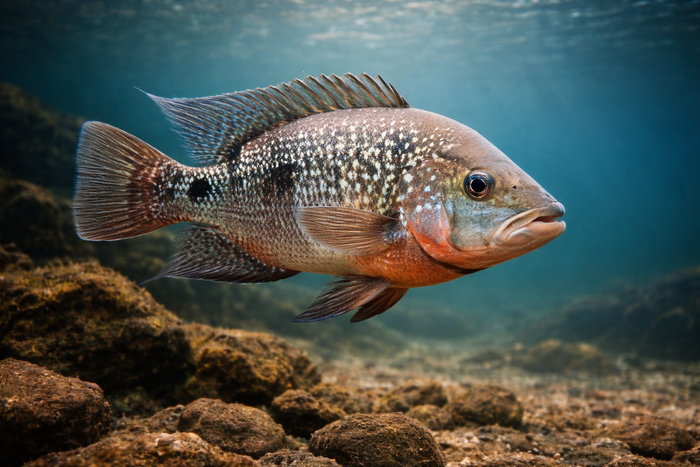
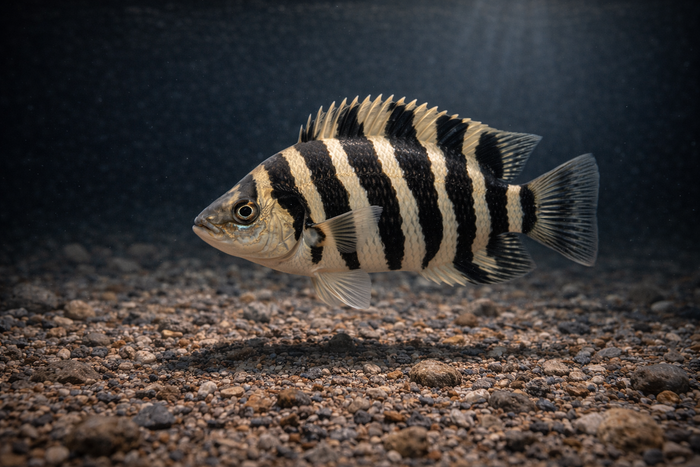
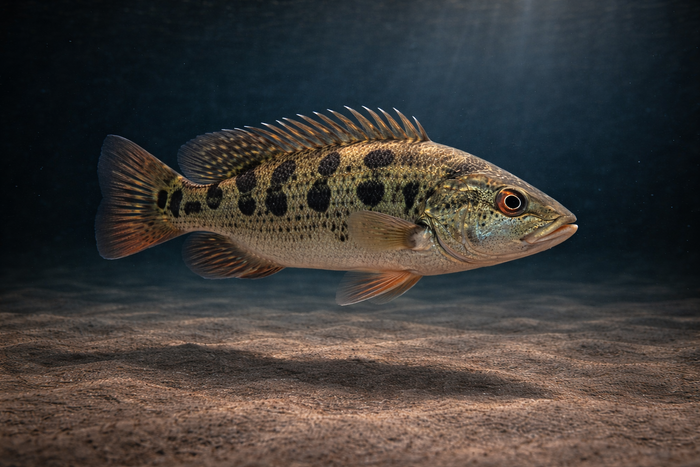
The Rio Grande Cichlid is a heavyweight in the cichlid family, both in size and personality. Unlike many cichlids that are tropical imports, this species thrives in temperate climates, showing remarkable adaptability to cooler waters. Its distinctive blue-green spots on a grayish body give it a camouflaged yet flashy look, perfect for both blending in and standing out.
Behaviorally, it’s a fighter. Territorial and aggressive, especially during breeding, the Rio Grande Cichlid is not one to back down. It exhibits complex social behaviors, including monogamous pair bonding and active parental care, which is relatively rare among North American fish. This species also demonstrates impressive intelligence, capable of recognizing and responding to individual tank mates or rivals.
Habitat & Global Range
The Rio Grande Cichlid’s natural habitat is the Rio Grande drainage system, spanning southern Texas and northeastern Mexico. It prefers slow-moving rivers, streams, and reservoirs with rocky or sandy bottoms and plenty of cover like submerged logs and vegetation. This environment offers both hunting grounds and protection from predators.
What’s fascinating is the species’ ability to survive outside its native range. Introduced populations have established themselves in parts of Louisiana and Florida, where they’ve adapted to local conditions. This adaptability speaks volumes about the Rio Grande Cichlid’s resilience and ecological plasticity.
Behavior & Temperament
Don’t mistake the Rio Grande Cichlid for a passive community fish. It’s territorial to the point of being downright combative, especially when defending its nest or territory. Males and females form tight pairs that guard their eggs and fry with fierce dedication, often chasing away intruders with aggressive displays and physical confrontations.
Despite its aggression, the Rio Grande Cichlid shows social complexity. It can recognize individual fish and adjust its behavior accordingly, a trait that hints at higher cognitive abilities. In captivity, this means careful tank mate selection is crucial. Smaller, less aggressive fish won’t stand a chance, but with proper management, the Texas Cichlid can coexist with other robust species.
Ecological Importance
The Rio Grande Cichlid plays a significant role in its ecosystem. As both predator and prey, it helps maintain balance in freshwater food webs. Its diet includes insects, crustaceans, and smaller fish, controlling populations of these species and preventing overgrowth.
Moreover, its nesting and territorial behaviors influence the physical environment. By moving substrate and defending specific areas, it contributes to habitat complexity, which benefits other aquatic organisms. The species also serves as an indicator of water quality and ecosystem health, given its sensitivity to pollution and habitat degradation.
Conservation & Environmental Pressures
While not currently endangered, the Rio Grande Cichlid faces challenges from habitat loss, water pollution, and competition with invasive species. Urban development and agricultural runoff have altered many parts of its native range, impacting water quality and available habitat.
Introduced populations outside its native range raise ecological concerns as well. In some areas, the Texas Cichlid competes with native species, potentially disrupting local biodiversity. Conservation efforts focus on habitat protection and monitoring population dynamics to ensure this resilient species doesn’t become a victim of environmental change.
The FishyAF Take
The Rio Grande Cichlid is a fish that demands respect. It’s not just another pretty face in the aquarium or a simple native species in a river. This cichlid embodies toughness, adaptability, and complex behavior that make it a fascinating subject for both hobbyists and ecologists.
If you’re looking for a freshwater fish with personality, resilience, and a story rooted in North American waters, the Rio Grande Cichlid is your go-to. Just remember, it’s no beginner’s fish. Its territorial nature and size require a confident handler who understands cichlid dynamics.
In the wild or in your tank, the Texas Cichlid proves that sometimes, the boldest fish make the biggest splash.