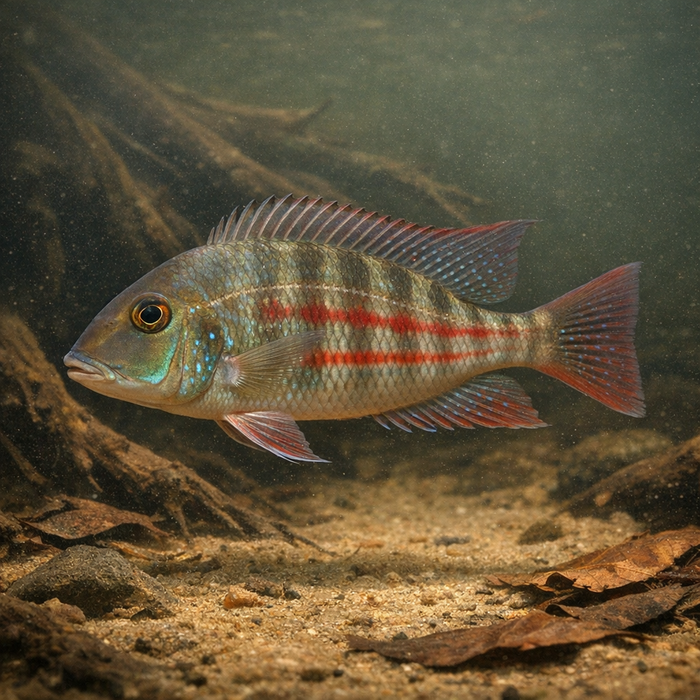
Kelberi Peacock Bass (Cichla kelberi): The Amazon’s Flashiest Predator with a Mean Streak
The Kelberi Peacock Bass is not your average aquarium showpiece or backyard pond dweller. This fish commands attention with its striking pattern, aggressive hunting style, and status as a top predator in South America’s freshwater ecosystems. If you want Kelberi Peacock Bass facts that go beyond the surface, you’re in the right place. This species is a masterclass in evolutionary design, combining beauty and brawn in a way few fish can match.
What Makes the Kelberi Peacock Bass Unique?
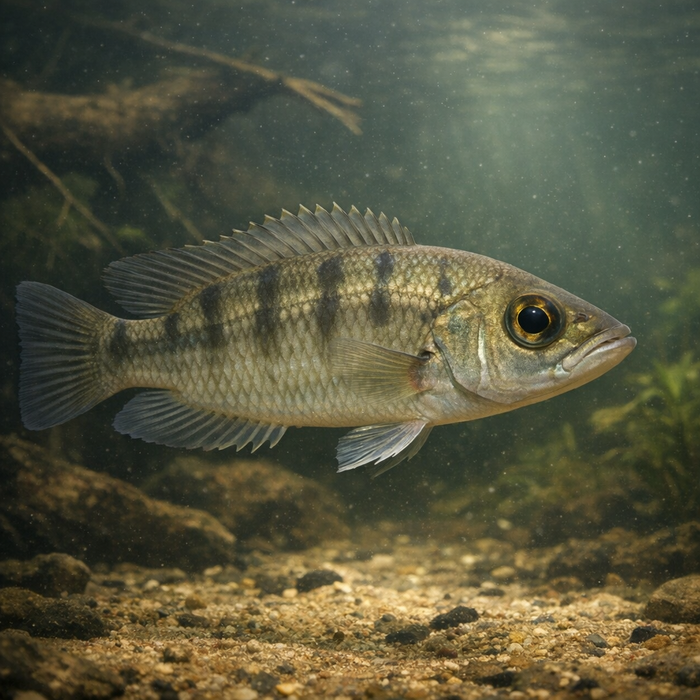
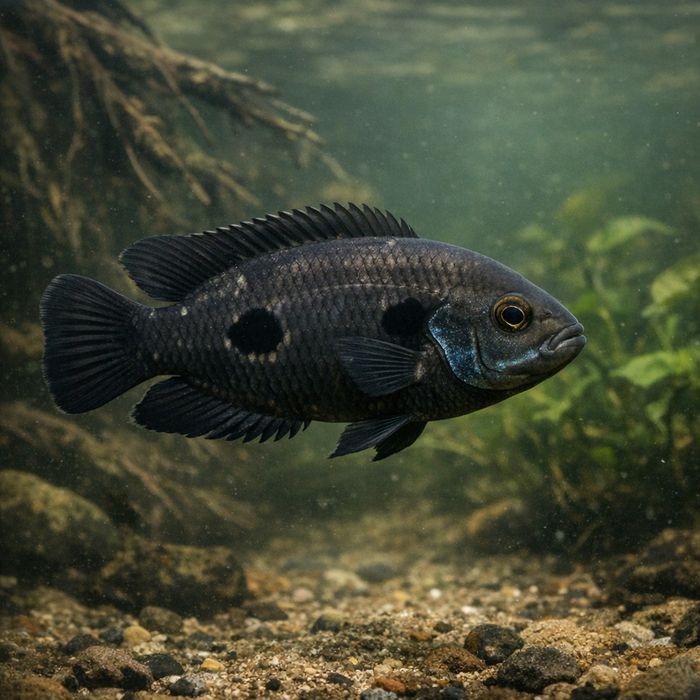
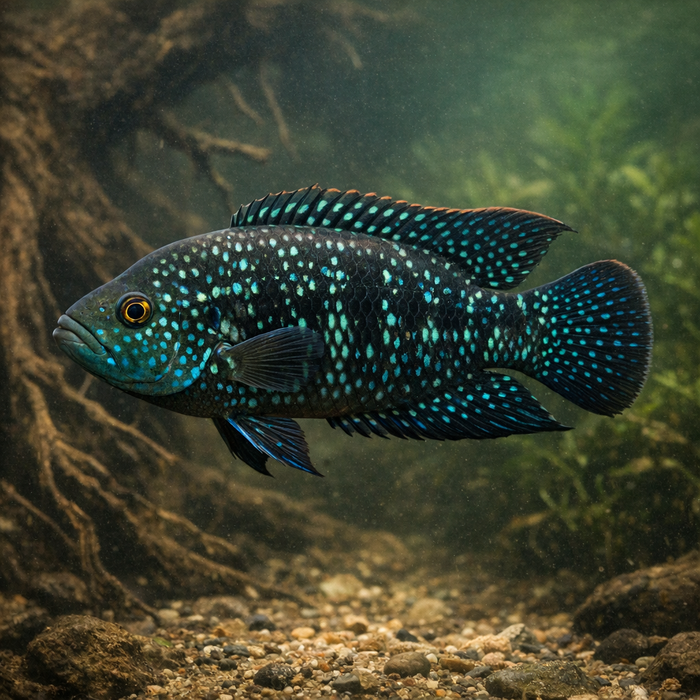
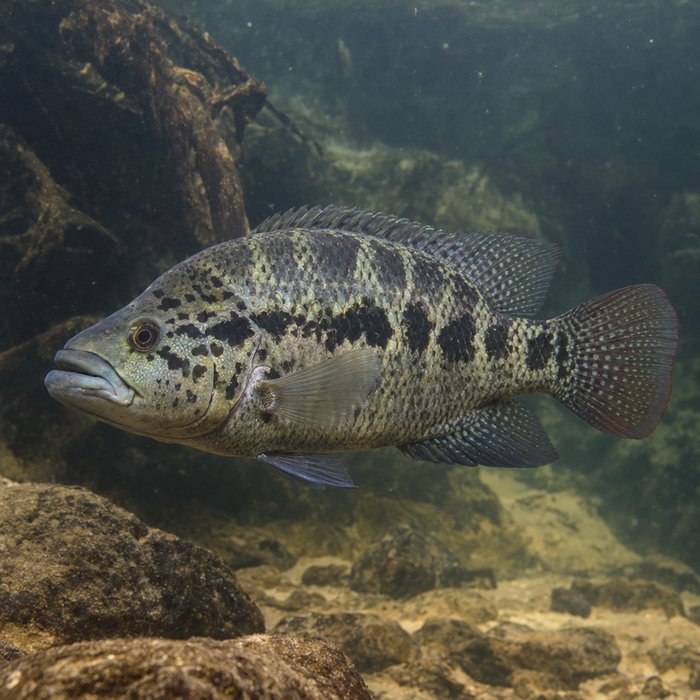
Forget the generic “peacock bass” label—Cichla kelberi stands out with its distinctive coloration and robust body shape. Unlike its cousins, the Kelberi sports a bold pattern of vertical black bars set against a golden-yellow background, with a splash of iridescent blue that shimmers when it moves. This isn’t just for show; the pattern breaks up its outline in the dappled light of its native waters, making it a stealthy hunter.
But looks aren’t everything. Kelberi Peacock Bass are known for their explosive strikes and territorial aggression. They’re ambush predators with a lightning-fast lunge, capable of taking down prey nearly half their size. Their large mouths and sharp teeth are built for grabbing and holding slippery prey, primarily smaller fish. This combination of visual flair and predatory efficiency makes them a favorite among sport fishers and biologists alike.
Habitat & Global Range
Kelberi Peacock Bass habitat is primarily the clear and blackwater rivers of the Amazon basin, especially in Brazil’s Paraná and Tietê river systems. They thrive in warm, oxygen-rich waters with plenty of submerged structures like fallen trees, rocks, and aquatic vegetation. These environments provide the perfect ambush points for their hunting style.
While native to South America, Kelberi Peacock Bass have been introduced to other parts of the world, including parts of Florida and Southeast Asia, often for sport fishing. These introductions can disrupt local ecosystems, but in their natural habitat, they play a crucial role in maintaining fish population balance.
Behavior & Temperament
Kelberi Peacock Bass are not the kind of fish you want to keep in a community tank with delicate species. They are fiercely territorial and aggressive, especially during breeding season. Males will guard nests with relentless vigilance, chasing off intruders with rapid bursts of speed and intimidating displays.
Their hunting behavior is a study in patience and precision. They often lie in wait near cover, then strike with explosive power. This makes them apex predators in their environment, controlling populations of smaller fish and preventing any one species from dominating.
Despite their aggression, Kelberi Peacock Bass exhibit complex social behaviors. Juveniles often school together for protection, and adults sometimes tolerate each other’s presence outside of breeding territories. This balance of aggression and social interaction is a key aspect of their survival strategy.
Ecological Importance
In the Amazon ecosystem, the Kelberi Peacock Bass is a keystone predator. By preying on a variety of smaller fish, they help maintain species diversity and prevent overpopulation of any single group. This predation pressure encourages a dynamic balance in the aquatic community, fostering healthy, resilient ecosystems.
Their presence also indirectly benefits plant life. By controlling herbivorous fish populations, they reduce overgrazing on aquatic vegetation, which in turn supports water quality and habitat complexity. The ripple effects of their role extend far beyond just who gets eaten.
Conservation & Environmental Pressures
Despite their robust nature, Kelberi Peacock Bass face threats from habitat destruction, pollution, and overfishing. Dams and deforestation alter river flow and water quality, disrupting their breeding grounds and reducing available cover. Pollution from agricultural runoff and mining introduces toxins that affect their health and reproductive success.
Introductions outside their native range pose another challenge. In places like Florida, they can outcompete native species, leading to calls for management or eradication. Balancing their ecological role in native habitats with the risks they pose as invasive species elsewhere is a complex conservation puzzle.
The FishyAF Take
Kelberi Peacock Bass is a fish that demands respect. It’s a living example of evolutionary finesse—beautiful, aggressive, and ecologically vital. For anglers, it offers a thrilling challenge; for ecologists, a fascinating subject; and for the environment, a crucial player in maintaining aquatic balance.
Understanding Kelberi Peacock Bass facts and habitat nuances isn’t just trivia. It’s essential for appreciating how interconnected freshwater ecosystems are and why protecting these apex predators matters. If you want a fish that’s as bold in behavior as it is in appearance, the Kelberi Peacock Bass stands unmatched. Handle with care, and never underestimate the power behind those peacock colors.