Peacock Bass (Cichla ocellaris): The Tropical Predator That Commands Attention
The Peacock Bass is no wallflower. With its striking colors and aggressive nature, this freshwater predator stands out in the crowded world of game fish. Known scientifically as Cichla ocellaris, it’s a species that demands respect from anglers and biologists alike. Whether you’re chasing trophy fish or simply fascinated by aquatic ecosystems, the Peacock Bass offers a compelling study in power, beauty, and ecological balance.
What Makes the Peacock Bass Unique?
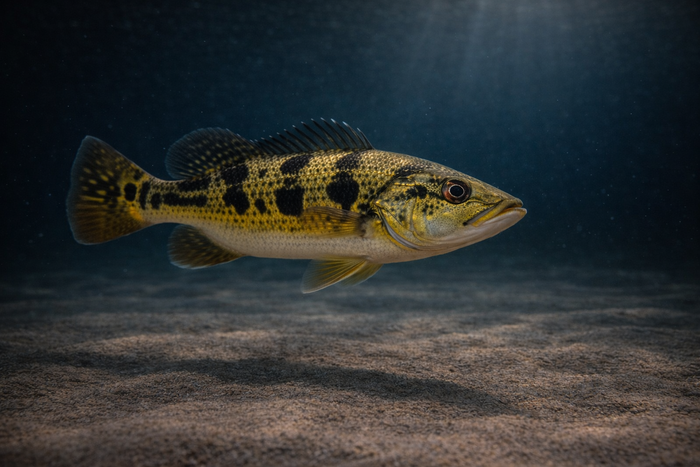
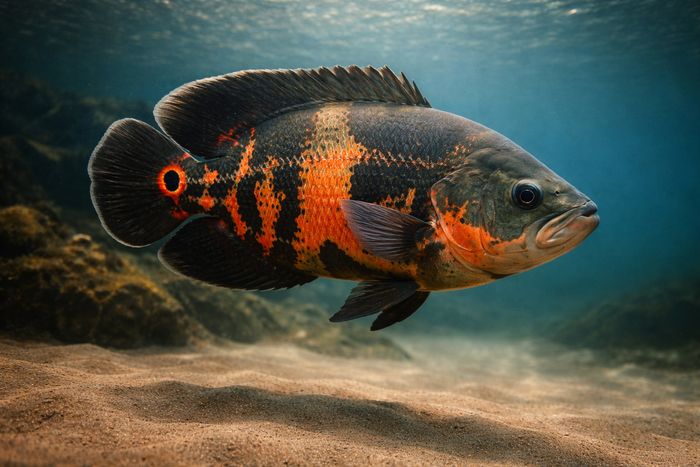
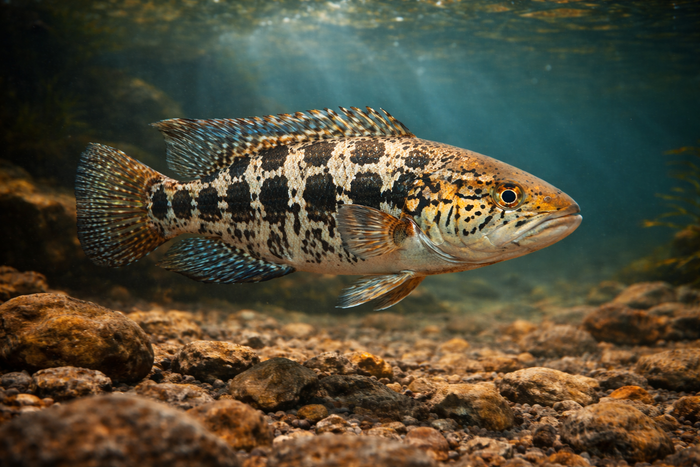
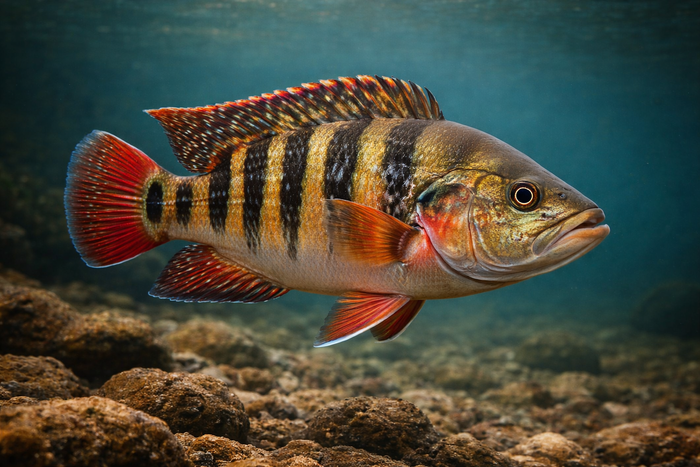
Peacock Bass are a visual knockout. Their bodies shimmer with a palette of gold, green, and yellow, punctuated by bold black vertical bars and a distinctive ocellus—a black spot rimmed in orange—near the tail. This eye-catching pattern isn’t just for show; it plays a role in confusing prey and signaling dominance within their ranks.
But it’s not just looks. These fish are apex predators in their freshwater realms. Their aggressive hunting style, lightning-fast strikes, and voracious appetite make them formidable. Unlike many cichlids, Peacock Bass grow large and muscular, reaching lengths that put them in the upper echelons of freshwater game fish. Their combination of speed, strength, and cunning hunting tactics sets them apart from other species.
Habitat & Global Range
Peacock Bass are native to the freshwater river systems of northern South America, especially the Amazon and Orinoco basins. Their preferred Peacock Bass habitat includes clear, warm waters with moderate currents, abundant submerged structures, and plenty of prey fish. They thrive in lakes, reservoirs, and slow-moving rivers where cover is plentiful.
Thanks to their popularity among anglers, Peacock Bass have been introduced to various parts of the world, including Florida, Hawaii, and parts of Asia. These introductions have been a mixed bag—sometimes boosting local sport fishing, other times disrupting native ecosystems. Understanding their natural habitat is key to managing their populations responsibly and recognizing the ecological ripple effects they cause when transplanted.
Behavior & Temperament
Peacock Bass are the definition of territorial. Males stake out breeding grounds and aggressively defend them from rivals. Outside of spawning season, they often patrol defined hunting territories, using ambush tactics to catch prey off guard. Their diet is carnivorous, focusing on smaller fish, crustaceans, and occasionally insects.
These fish are not shy. They respond aggressively to intruders, including anglers. Their fight on the line is legendary, combining powerful runs with explosive jumps. This temperament makes them a favorite among sport fishermen who want a challenge beyond the usual bass or trout.
Socially, Peacock Bass can be solitary or form loose groups, especially juveniles. Their communication is subtle but effective, involving body postures and color changes to assert dominance or submission. This behavioral complexity adds another layer to their appeal for those studying fish dynamics.
Ecological Importance
As apex predators, Peacock Bass play a critical role in maintaining the balance of their freshwater ecosystems. By preying on smaller fish, they help regulate populations and prevent any single species from dominating. This top-down control supports biodiversity and healthy aquatic environments.
Their presence influences the behavior and distribution of prey species, which in turn affects vegetation and nutrient cycling. In their native habitats, Peacock Bass are integral to the food web, linking various trophic levels and contributing to ecosystem resilience.
However, when introduced outside their native range, they can become ecological bullies. Their predation pressure often decimates local fish populations, leading to declines in native species and altered community structures. This dual role as both ecological stabilizer and disruptor underscores the importance of understanding Peacock Bass facts in context.
Conservation & Environmental Pressures
Despite their robust image, Peacock Bass face environmental pressures. Habitat destruction, pollution, and dam construction threaten the river systems they call home. Changes in water quality and flow can reduce suitable habitat, impacting breeding and feeding.
In some regions, overfishing poses a risk, especially where they are prized as sport fish. However, their adaptability and aggressive nature have helped maintain stable populations in many areas.
Conservation efforts focus on habitat preservation and responsible fishery management. Monitoring introduced populations is also crucial to prevent ecological damage. Balancing human interests with environmental health remains a challenge but is essential for the long-term survival of this species.
The FishyAF Take
Peacock Bass are the rock stars of freshwater fishing. They combine stunning looks with a no-nonsense attitude that makes every encounter memorable. Their role as apex predators highlights the complexity of freshwater ecosystems and the delicate balance required to maintain them.
If you’re serious about understanding freshwater predators or want a fish that tests your skills and patience, the Peacock Bass deserves your attention. But don’t mistake their beauty for harmlessness. They are powerful, territorial, and capable of reshaping ecosystems when introduced outside their native range.
In the end, the Peacock Bass is a reminder that nature’s most impressive creatures come with responsibilities. Respect their habitat, appreciate their role, and approach them with the mix of awe and caution they command. That’s the real catch.