Jaguar Guapote (Parachromis managuensis): The Apex Predator That Commands Attention
The Jaguar Guapote is not your average aquarium fish. Known scientifically as Parachromis managuensis, this species is a striking example of power and beauty wrapped in a predatory package. With its bold pattern and formidable presence, the Jaguar Guapote demands respect both in the wild and in captivity. This guide dives deep into what makes this fish a standout in the cichlid family, exploring its unique traits, natural environment, and ecological role.
What Makes the Jaguar Guapote Unique?
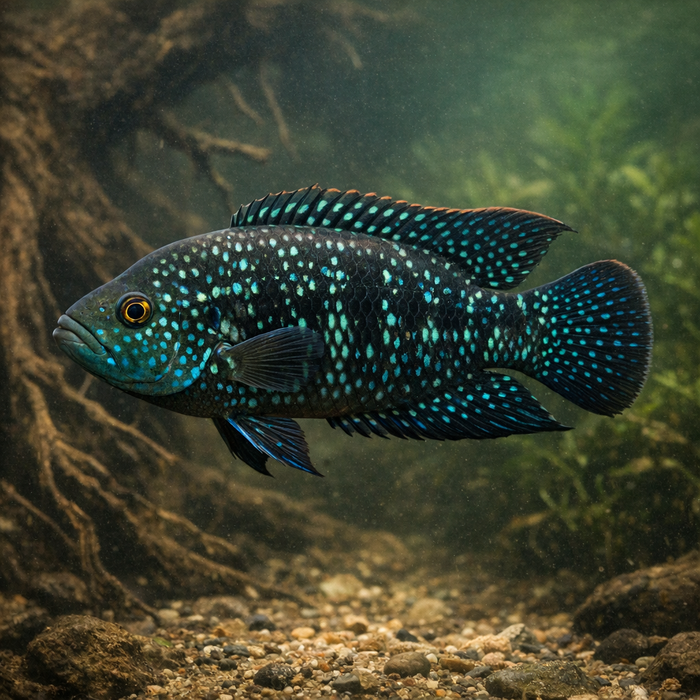
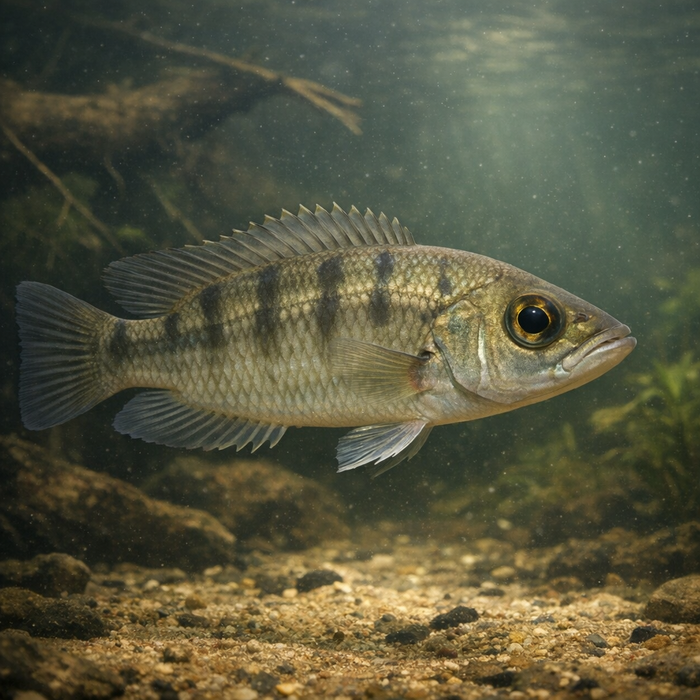
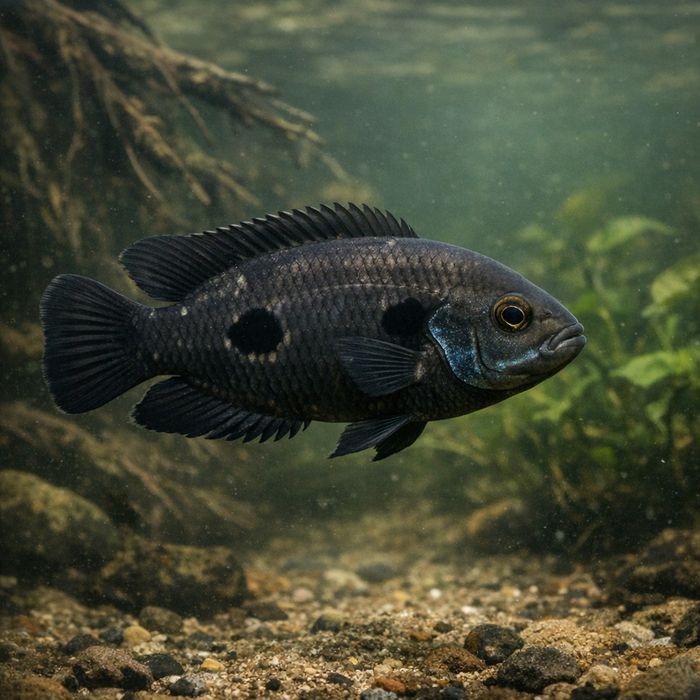
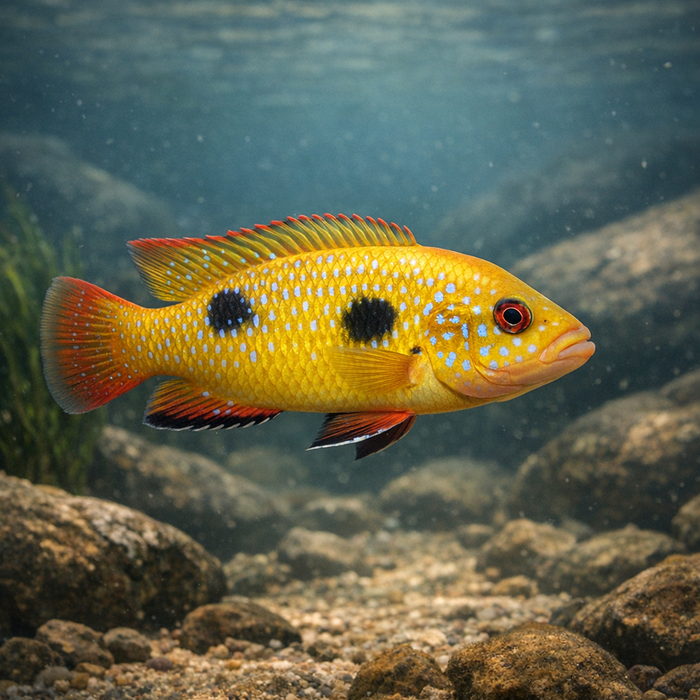
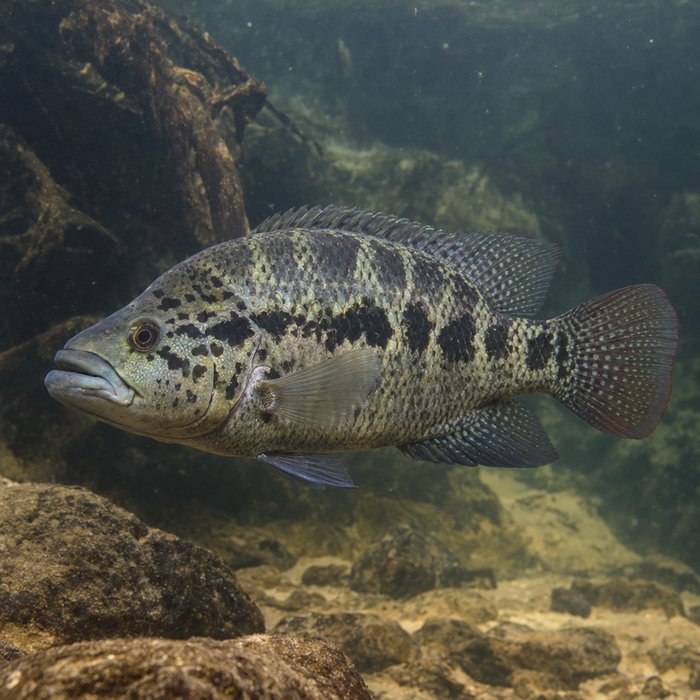
The Jaguar Guapote’s most eye-catching feature is its dramatic, jaguar-like pattern of dark spots and blotches on a golden-yellow body. This camouflage isn’t just for show—it’s a tactical advantage in murky waters. Beyond looks, the Jaguar Guapote is a top-tier predator. Its robust jaw and sharp teeth allow it to prey on a variety of smaller fish, making it a dominant force in its ecosystem.
Unlike many cichlids that rely heavily on territorial defense, the Jaguar Guapote combines aggression with cunning hunting strategies. It’s a solitary hunter, using stealth and bursts of speed to ambush prey. This fish also exhibits remarkable adaptability, thriving in different water conditions and showing resilience where others might falter.
Habitat & Global Range
The Jaguar Guapote calls Central America home, primarily found in the freshwater systems of Nicaragua, Honduras, and Costa Rica. Its preferred Jaguar Guapote habitat includes lakes, rivers, and reservoirs with slow-moving or still waters. These environments often feature dense vegetation and submerged structures, perfect for ambush hunting.
This species has also been introduced to other regions, sometimes with unintended ecological consequences. Its adaptability to various freshwater habitats means it can establish populations outside its native range, often competing with local species for resources.
Behavior & Temperament
If you’re thinking about keeping a Jaguar Guapote, be prepared for a fish with a personality as fierce as its appearance. This species is highly territorial and aggressive, especially during breeding. It doesn’t tolerate tank mates that resemble prey or competitors, so housing requires careful planning.
In the wild, the Jaguar Guapote is a solitary predator, but during spawning, pairs form strong bonds and fiercely guard their eggs and fry. Their parental care is intense, with both parents involved in protecting the young from threats.
The Jaguar Guapote’s behavior is a mix of patience and explosive action. It waits motionless for the perfect moment before striking with lightning speed. This hunting style reflects its evolutionary success in diverse and competitive environments.
Ecological Importance
As an apex predator in its native habitat, the Jaguar Guapote plays a crucial role in maintaining the balance of aquatic ecosystems. By controlling populations of smaller fish, it helps prevent overgrazing on vegetation and maintains species diversity. Its presence signals a healthy, functioning ecosystem.
Moreover, the Jaguar Guapote influences the behavior and distribution of other species, shaping the aquatic community structure. Its predation pressure encourages prey species to develop survival strategies, driving evolutionary dynamics.
Conservation & Environmental Pressures
Despite its robust nature, the Jaguar Guapote faces threats from habitat destruction, pollution, and overfishing. Deforestation and agricultural runoff degrade water quality in many parts of its native range, impacting breeding and feeding grounds. Additionally, dam construction alters water flow and sediment patterns, disrupting the natural Jaguar Guapote habitat.
Invasive species and human-induced changes also pose challenges. While the Jaguar Guapote can outcompete some species, it is vulnerable to habitat fragmentation and loss of genetic diversity in isolated populations.
Conservation efforts focus on habitat protection and sustainable fishing practices. Preserving the Jaguar Guapote’s natural environment is essential not only for the species itself but for the broader health of Central American freshwater ecosystems.
The FishyAF Take
The Jaguar Guapote is a fish that commands attention for all the right reasons. It’s a living testament to evolutionary finesse—combining striking aesthetics with predatory prowess. For aquarists, it’s a challenge and a thrill: a fish that demands respect, space, and understanding. In the wild, it’s a keystone predator, essential for ecosystem balance.
If you want to know Jaguar Guapote facts that go beyond the surface, remember this: it’s not just about the spots or size. It’s about the role this fish plays in its environment and the raw power it wields beneath the water’s surface. The Jaguar Guapote is a reminder that nature’s most captivating creatures are often the fiercest. Handle with care, admire with respect.