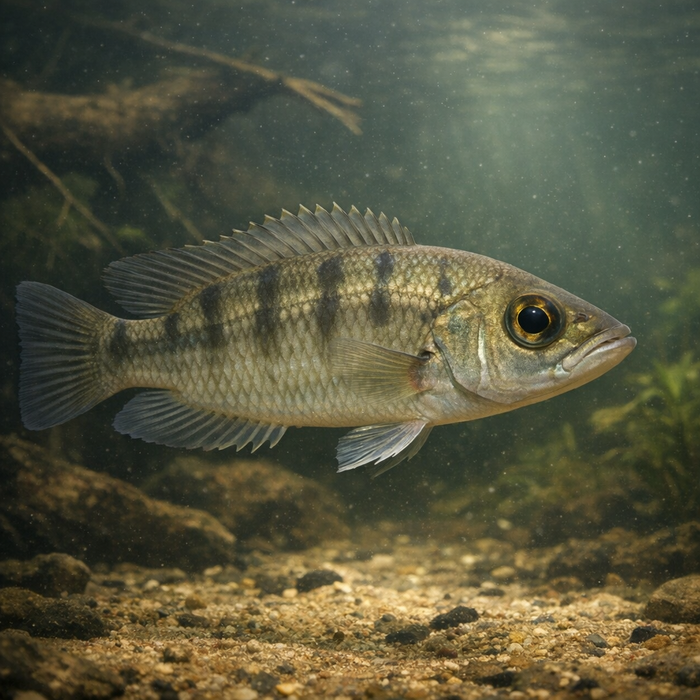
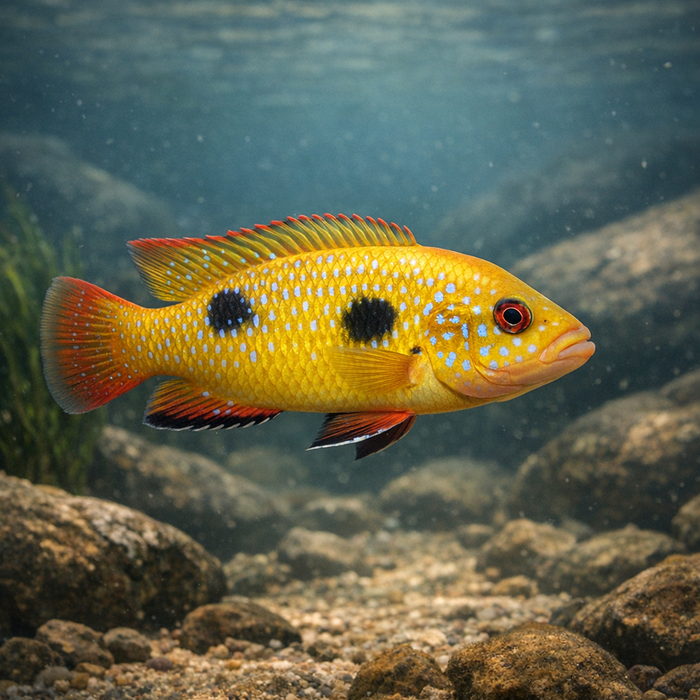
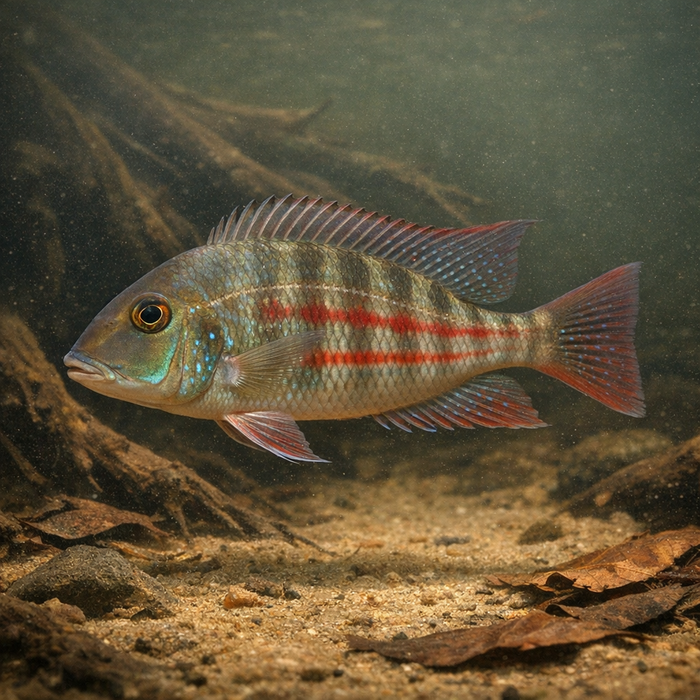
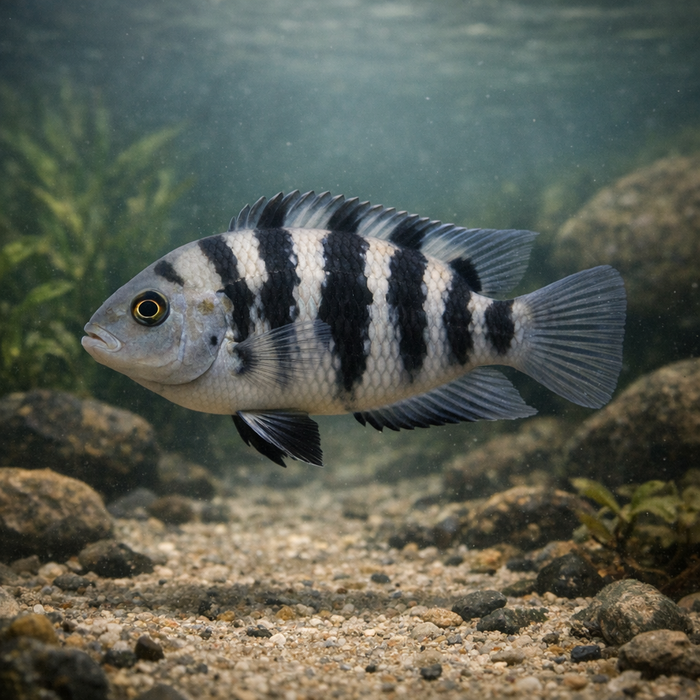
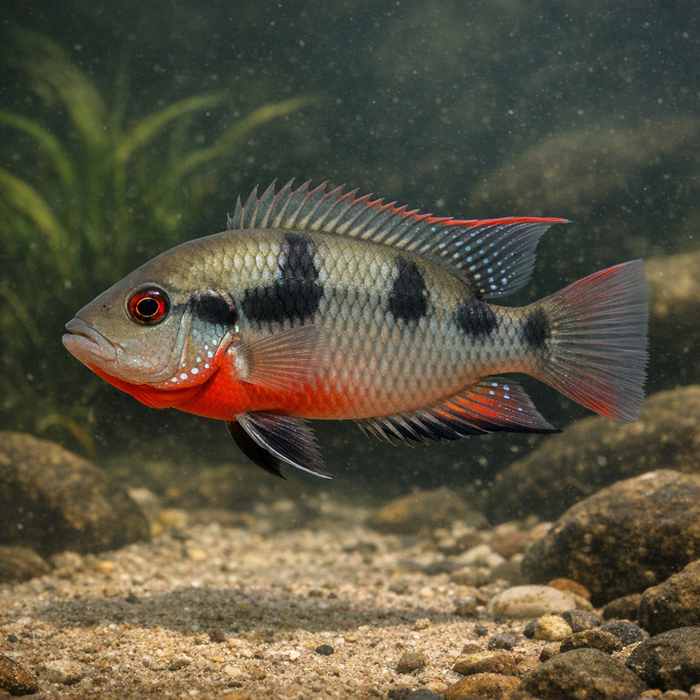
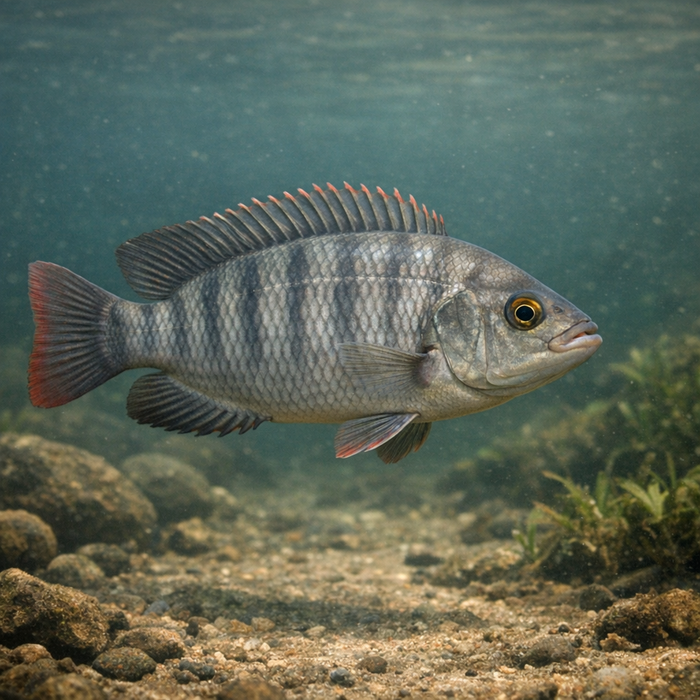
Black Acara (Cichlasoma bimaculatum): The Pocket-Sized Cichlid With Big AttitudeIntroductionIf your idea of fun is poking around warm, weedy water with ultralight gear, the black acara is your kind of trouble. This scrappy cichlid isn't huge, isn't fancy, and doesn't care about your trophy wall. But it hammers small baits, defends its turf like a bulldog, and dishes out more personality per ounce than most fish two classes up. Think panfish meets street fighter, with a South American passport.What Makes the Black acara Unique?First, it wears the name well. Bimaculatum means two-spotted, a reference to the twin dark flank blotches that separate it from the cichlid crowd. Second, parenting. Black acara are overachieving helicopter parents, cleaning a nest site, laying a tidy spread of eggs, and then shuttling fry in their mouths to safer cribs when conditions change. Third, they bring serious attitude for their size. Hooked fish stampede for cover, wedge into roots, and try every dirty trick a one-pounder can invent. Those quirks make black acara facts a lot more fun than you'd expect from a canal dweller.Habitat & Global RangeBlack acara habitat reads like a map of warm, lowland waters. You'll see them in calm creeks, vegetated ponds, sluggish rivers, and man-made canals where current is mild and cover is king. They appreciate soft bottoms, scattered wood, culverts, and mats that hide them from birds and bigger fish. Native to parts of northern South America and nearby islands, they've also shown up in select tropical and subtropical canals outside their home turf. The common thread is simple: stable warmth, plenty of ambush cover, and small prey drifting by.Behavior & TemperamentTerritorial, bold, and opportunistic. That's the black acara playbook. Pairs carve out small home patches, chase intruders, and troll the edges of weeds for invertebrates, tiny fish, and anything crunchy they can crush with pharyngeal jaws. When guarding fry, both parents are on high alert, flaring fins and darkening flanks like a living warning sign. They aren't roamers by nature; short laps around prime cover get most of their feeding done. Bites are decisive. On ultralight tackle, they feel punchy and stubborn, with enough headshakes to keep you honest.Ecological ImportanceAs mid-tier predators, black acara help regulate insect and small-crustacean populations and convert that energy into biomass that larger fish and wading birds appreciate. Their nest-guarding behavior concentrates fry and draws in other predators, which can kick off micro-feeding frenzies around cover. In places where they're introduced, they slot into the same job description, though managers keep an eye on overlap with native small cichlids and sunfish analogs. They're adaptable, but not bulldozers, and tend to occupy weedy margins that already stack forage.Conservation & Environmental PressuresOfficial conservation status is often not evaluated for this species, but their long-term outlook rides on the basics: water quality, stable temperatures, and intact shallow cover. Drainage hardening, shoreline mowing, and poor stormwater management can erase the weedy edges they rely on. In tropical and subtropical urban canals, sudden cold snaps are the silent killer. Where they're non-native, agencies may encourage harvest to reduce potential pressure on comparable natives. None of that stops anglers from catching them; it just means the best black acara habitat is the stuff we should be protecting anyway.The FishyAF TakeNo one's booking a plane ticket just for black acara. But if you fish warm ditches, backwaters, or canal systems, this little cichlid turns slow afternoons into rapid-fire fun. It's perfect for kids, perfect for fly anglers who love short shots with small streamers, and perfect for anyone who wants a bite without a production. Learn their cover, bring tiny hooks, and treat every patch of weeds like a house with the porch light on. If you want quick, punchy action, black acara deliver. And yes, you'll end up telling your buddies that the feistiest fish of the day was eight inches long. That's the kind of truth we can live with.