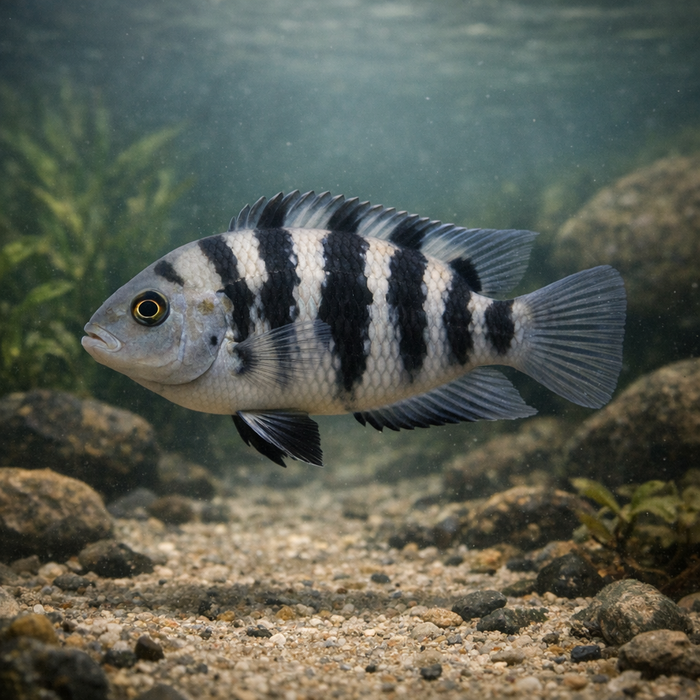
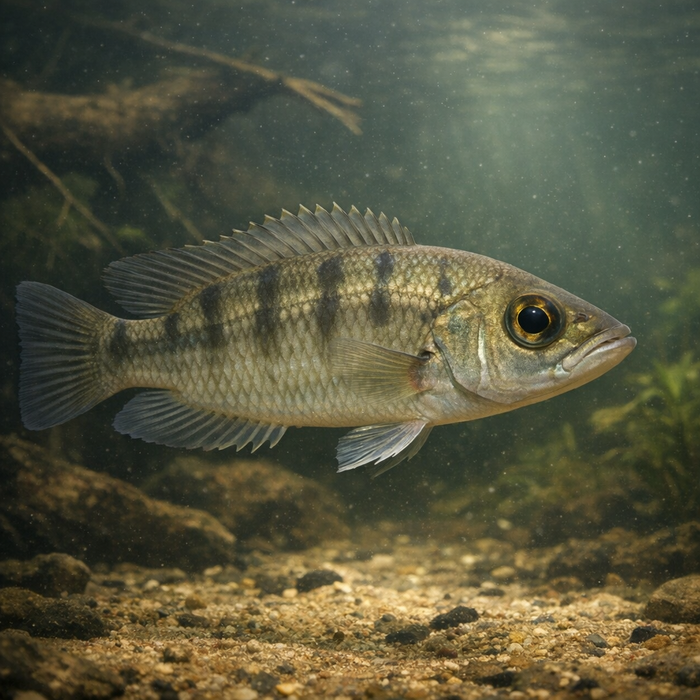
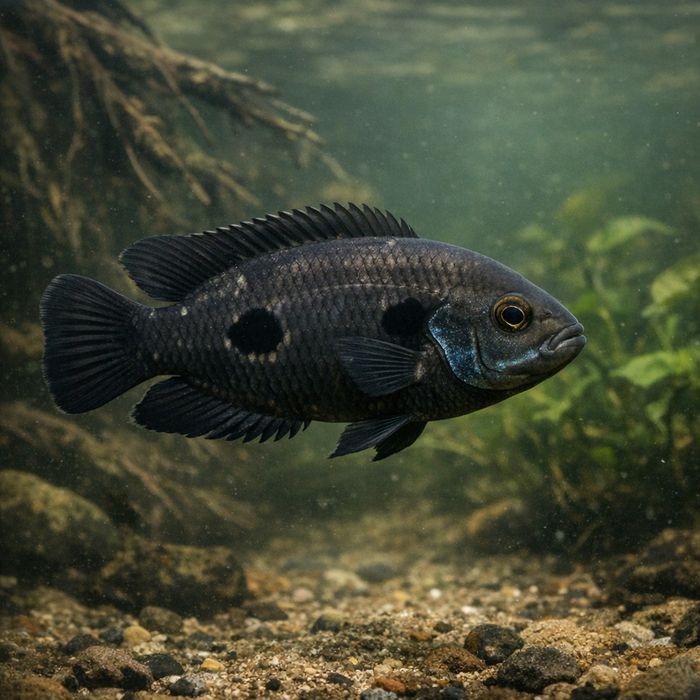
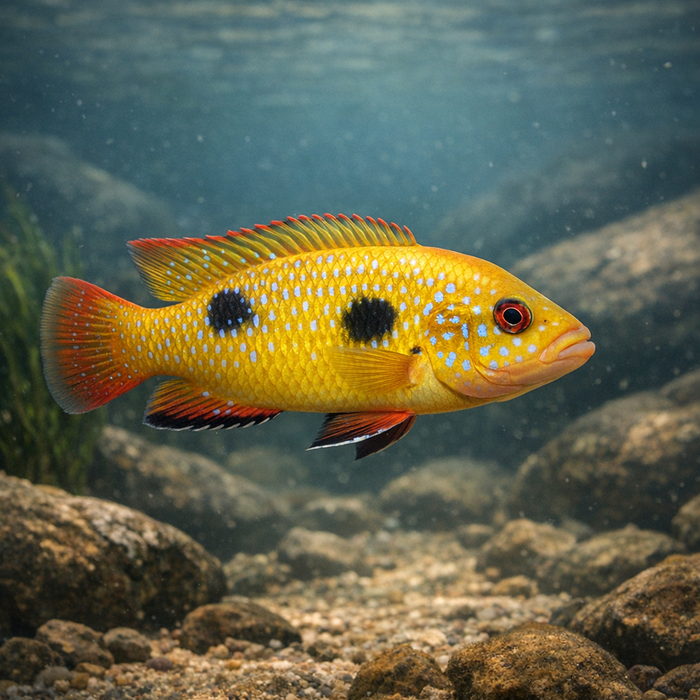
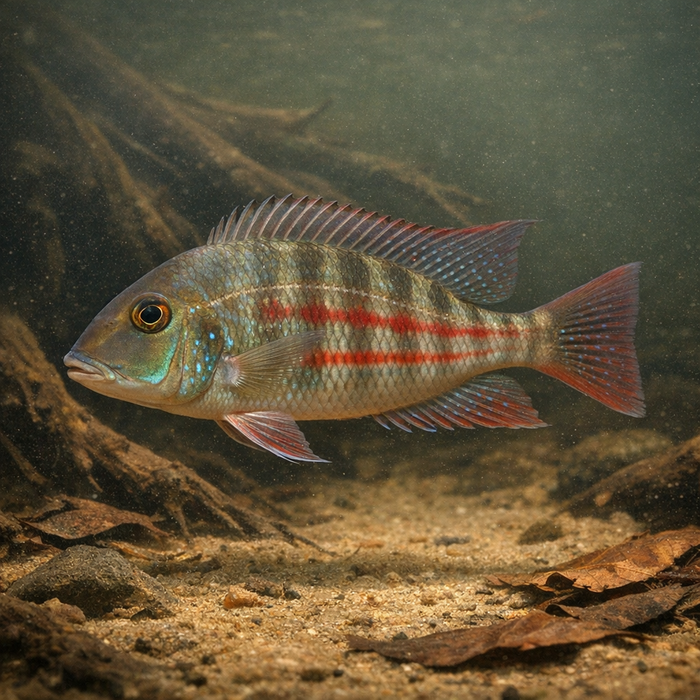
Firemouth cichlid (Thorichthys meeki): A Bold, Memorable Hook LineIntroductionThe fire-throated show-off of the Yucatan, the Firemouth cichlid is small, punchy, and way more charismatic than most fish its size. Anglers encounter them by accident while chasing guppies for bait or poking around jungle creeks with ultralight gear. Then the fish flashes that neon-red chin, flares its gills like a tough guy, and suddenly you're paying attention. Here's the deep dive for anglers who want real Firemouth cichlid facts, not aquarium fluff.What Makes the Firemouth cichlid Unique?Two things: that outrageous red throat display and the parenting. When threatened or feeling extra macho, males drop into a push-up posture, spread their gill covers, and ignite a scarlet patch that screams back off without actually brawling. Then there's the family dynamic. Firemouths form pairs, dig spawning pits, glue a neat clutch of eggs to rock or root, and both parents guard fry with relentless energy. For a fish that tops out around six inches, that's a lot of attitude and commitment.Habitat & Global RangeIn the wild, the Firemouth cichlid lives in warm, slow to moderate current rivers, weedy backwaters, and limestone-fed lagoons across the Yucatan Peninsula, Belize, and Guatemala. Think sun-dappled banks, submerged roots, and sandy patches where they sift and spit the substrate. Clarity can swing from gin to tea-stained after rains, but these fish are adaptable. You might also encounter localized, introduced populations in tropical canals. If you're scouting Firemouth cichlid habitat, focus on quiet edges, overhanging cover, and knee-deep water with patches of open sand.Behavior & TemperamentThey're feisty without being reckless. Firemouths hold small territories, especially in breeding season, and prefer bluffing to body contact. You'll see lateral displays, gill flares, and tail shimmies before any bite happens. They're opportunistic omnivores, sifting fine sand for insect larvae and detritus, then snapping tiny crustaceans or snails when available. They stick close to structure and don't roam far, but they're active throughout the day, with stronger feeding windows in low, gentle light. Hook one and you get a quick burst on ultralight tackle, then a stubborn bulldog swing toward cover.Ecological ImportanceThe Firemouth cichlid punches above its weight in the food web. By sifting substrate, it stirs nutrient-rich fines, nudging productivity for invertebrates and algae. Its fry schools provide snacks for larger predators, while adults pressure snail populations with their crushing pharyngeal jaws. Their high parental investment means better juvenile survival than your average small fish, anchoring stable, diverse cichlid communities across lowland rivers.Conservation & Environmental PressuresThorichthys meeki sits comfortably at Least Concern, but that doesn't make it bulletproof. Sedimentation from agriculture smothers spawning pits. Over-extraction from limestone aquifers can pinch flows and bump temps. Development chews up vegetated margins the species uses for cover. Aquarium demand is mostly captive-bred these days, which helps, but wild stocks still rely on intact banks and cleaner water. Fortunately, the Firemouth cichlid tolerates moderate changes and rebounds where basic habitat structure remains.The FishyAF TakeTiny fish, big charisma. If you want a micro target with personality, the Firemouth cichlid delivers. Skip the heavy gear and bring finesse: ultralight line, micro hooks, and small natural baits. Watch for that red-chin flex when you crowd a territory. You're not signing up for a drag-scorching fight; you're here for tight-quarters reads, sight shots, and attitude per ounce. For anglers who geek out on behavior and precision, this fish is a master class in reading body language and working the margins. File this one under small but spicy, then go collect your own Firemouth cichlid facts streamside.