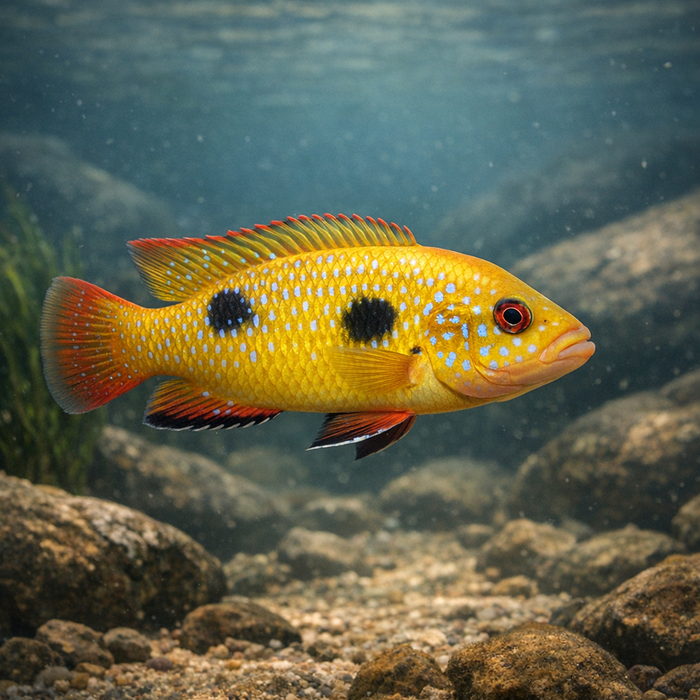
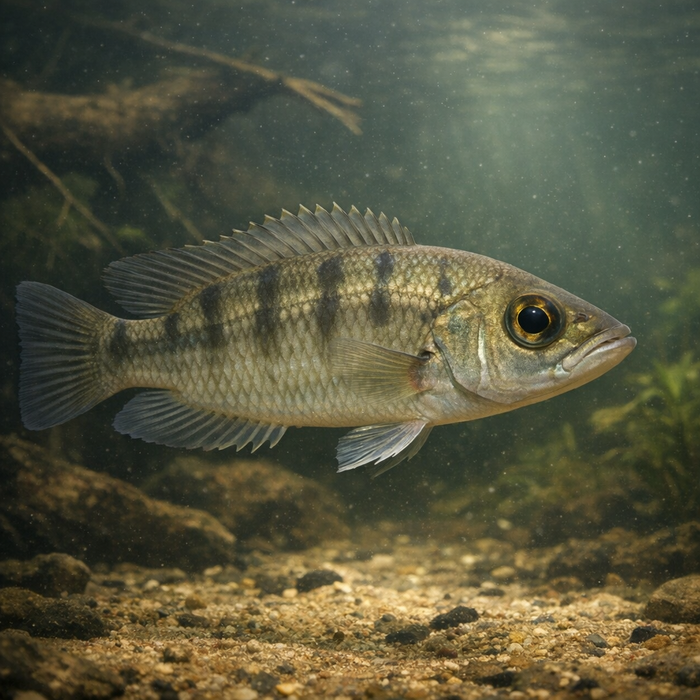
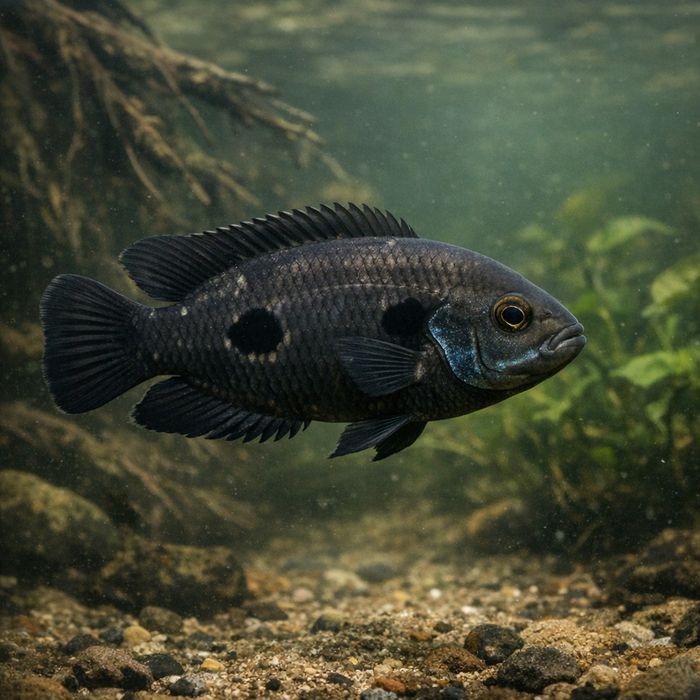
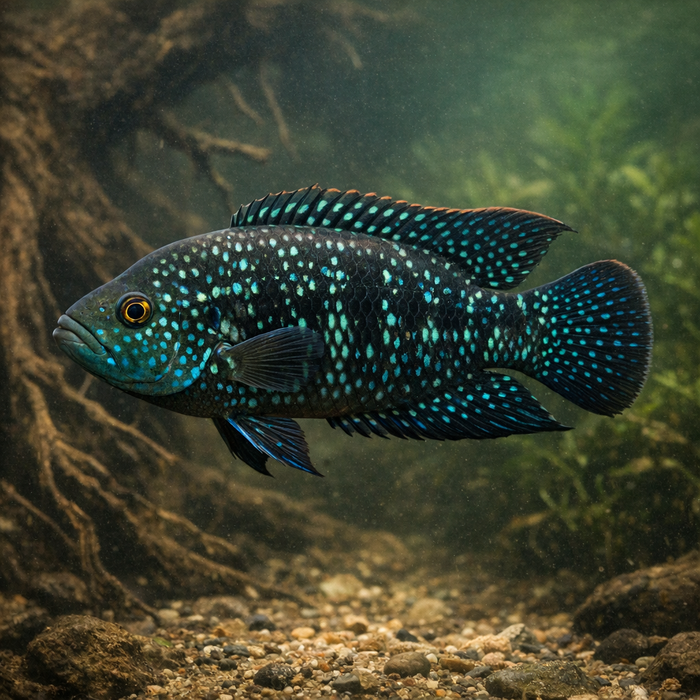
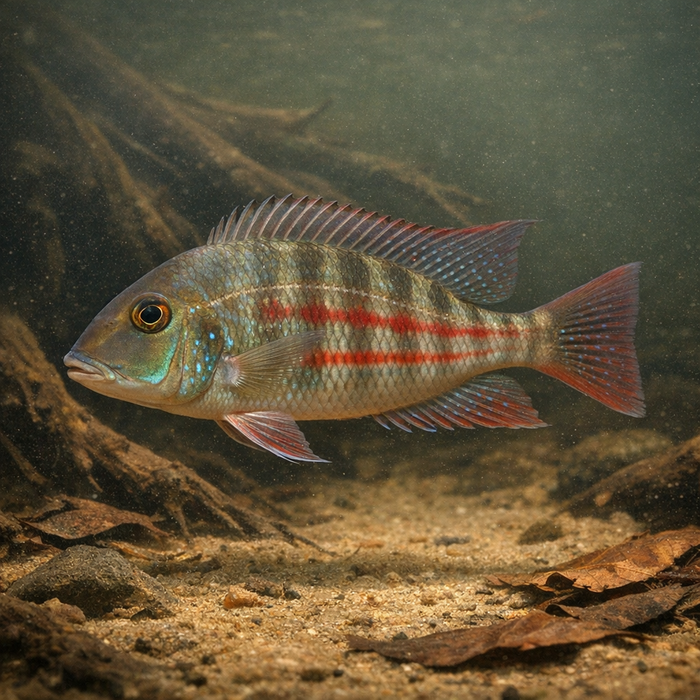
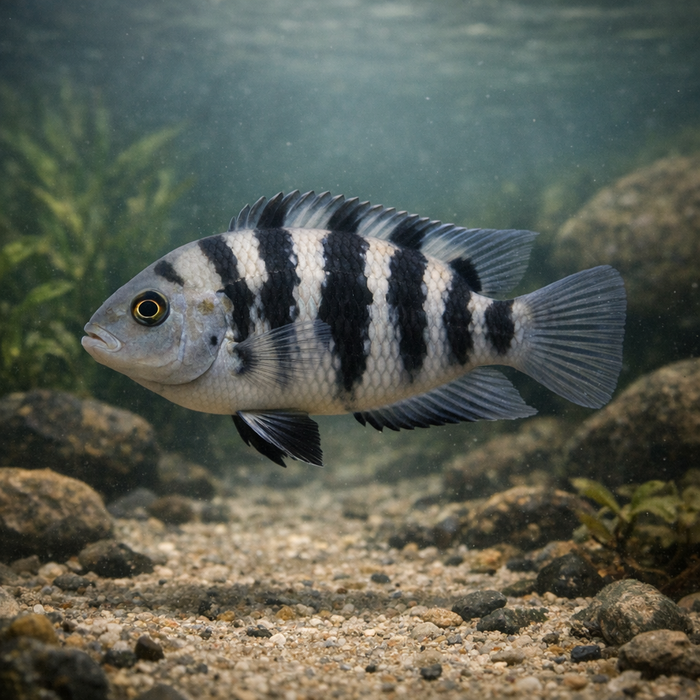
Wami Tilapia (Oreochromis urolepis): Brackish-tough cichlid with serious parenting skills and a suspicious streak a mile long.IntroductionIf you fish East Africa's coastal rivers and mangrove edges, you've met the quiet operator that ghosts your bait and nibbles like a pickpocket. That's the Wami tilapia, a brackish-savvy cichlid that laughs at salty water and still raises a family like a pro. It's a fish that rewards finesse over force, and it makes light tackle feel smart. For anglers curious about Wami tilapia habitat or hunting for hard-won Wami tilapia facts, this species is an eye-opener.What Makes the Wami tilapia Unique?First, salinity swagger. Most freshwater fish wilt when the tide brings salt. The Wami tilapia holds its ground, feeding and spawning in water that toggles between fresh and brackish. Second, parental grit. Females mouthbrood eggs and fry, literally carrying the next generation in their mouths while slipping through reeds, roots, and tea-stained creeks. Third, they're clever. Wami tilapia study your offering, peck surgically, and vanish if you breathe too loud. Hook one fair and you've earned it.Habitat & Global RangeThe Wami tilapia is native to East Africa's coastal drainages, especially Tanzania's Wami, Ruvu, Rufiji, and Pangani systems. Picture tides shoving salt upriver, rains flushing it back, and the fish calmly adapting to both. Mangroves, papyrus edges, sandy shallows, and quiet side channels are their stage. They'll work flooded grass during wet seasons, retreating to deeper pools when things dry out. While their footprint isn't continental, they make the most of complex, productive estuaries, lagoons, and adjoining lakes and ponds with intermittent connection to the sea.Behavior & TemperamentWami tilapia are structure-minded and deliberate. Males sweep saucer nests on sand or firm mud, often near submerged roots, then defend the spot with short, efficient bursts rather than chest-thumping chases. Feeding is methodical. They graze films, sift detritus with fine gill rakers, and opportunistically nip at invertebrates. That balanced diet fuels steady growth without turning them into reckless chasers. They school loosely when grazing, then split to defend nests or slip into cover when pressure spikes. Dawn and dusk stand out, but a steady tide and soft current can light them up any time.Ecological ImportanceAs grazers and sifters, Wami tilapia are nutrient recyclers, turning algae mats and organic fluff into fish protein. That transfers energy upward to predators and outward to people who rely on artisanal catches. Their mouthbrooding strategy boosts juvenile survival, stabilizing local stocks even as conditions swing between rains and dry spells. In shoreline nurseries, their nest-sweeping and foraging can subtly shape the benthic community, thinning mats and opening patches that other species exploit.Conservation & Environmental PressuresThey're resilient, not invincible. Habitat loss hits hard when mangroves are cut, floodplains are diked, or flows are choked by upstream withdrawals. Hybridization with introduced tilapia is a real risk, blurring genetics and erasing local adaptations. Nets and traps pressure them daily in some areas, and water quality slides when settlements crowd estuaries. The Wami tilapia can shrug off salinity swings, but it can't outswim bulldozers and bad plumbing.The FishyAF TakeCall the Wami tilapia a finesse teacher. It punishes sloppy rigs and heavy hands, and it rewards stealth, tiny hooks, and a bait that looks like it belongs. Not a brawler, not a sprinter, but a worthy adversary for anglers who enjoy solving a pattern rather than muscling through one. Land a few good ones in tangled roots on threadlike line and you'll walk away grinning. It won't headline a trophy wall, but the Wami tilapia earns respect the old-fashioned way: by outsmarting you until you get smart too.