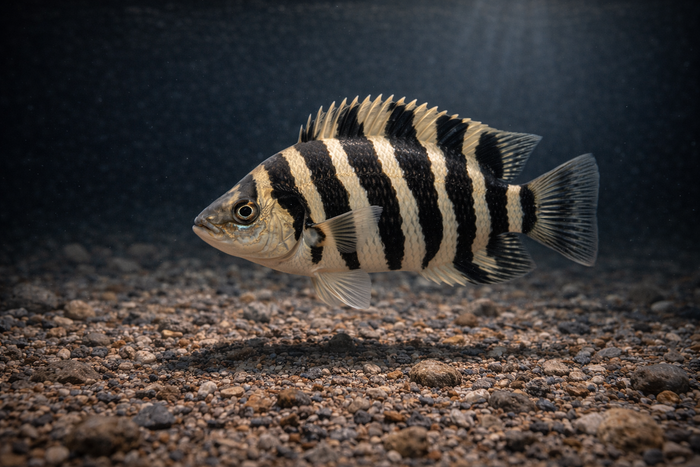
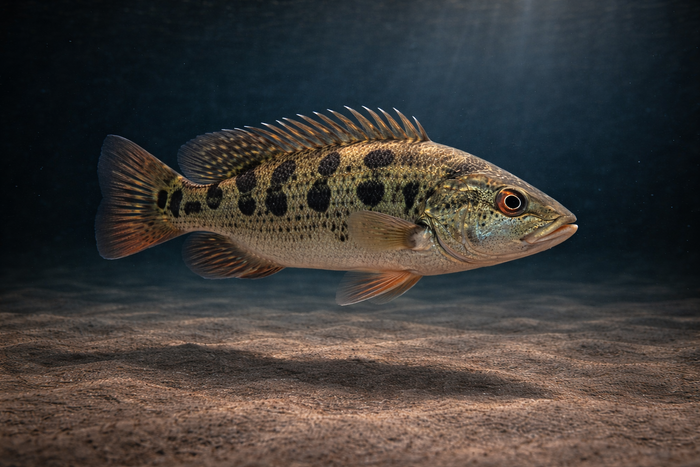
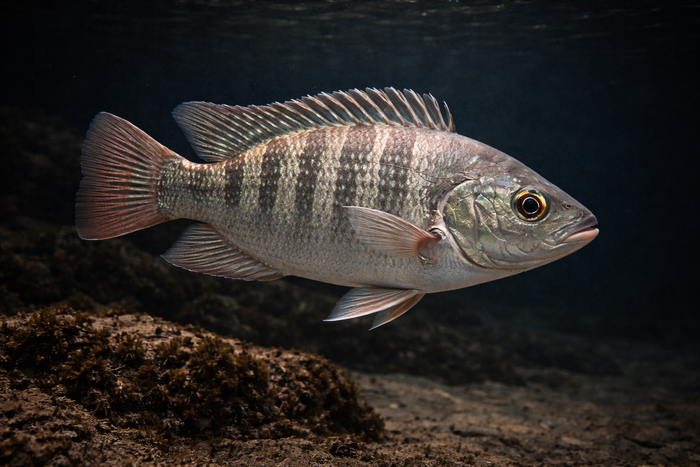
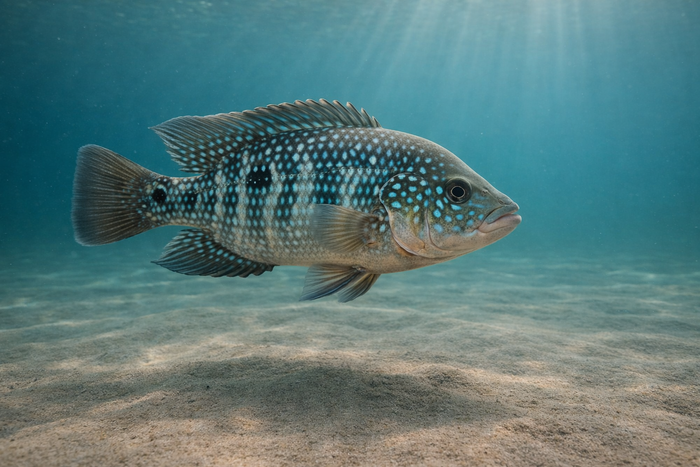
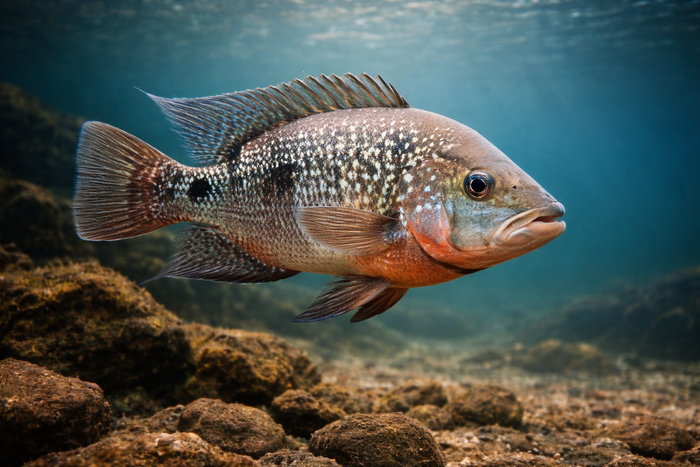
Oscar (Astronotus ocellatus): The Tank Titan That Commands Attention
The Oscar is no wallflower in the aquarium world. Known scientifically as Astronotus ocellatus, this fish is a staple for hobbyists who want a pet with personality, presence, and a bit of attitude. Often called the “Oscar cichlid,” it’s a freshwater heavyweight that stands out not just for its size and colors but for its intelligence and interaction with owners. If you’re diving into Oscar facts, prepare to meet a fish that’s as bold as it is beautiful.
What Makes the Oscar Unique?
Oscars are not your average aquarium fish. Their standout feature is their striking coloration, which can range from deep blacks and reds to vibrant oranges and yellows. But it’s not just about looks. Oscars are known for their remarkable intelligence. They recognize their owners, respond to feeding routines, and even display problem-solving skills. Unlike many fish that swim aimlessly, Oscars exhibit deliberate behaviors, making them feel more like pets than decorations.
Another unique trait is their ability to change color based on mood, health, and environment. This dynamic display isn’t just for show; it’s a communication tool within their social groups. Oscars also have a reputation for being territorial, especially during breeding, which adds a layer of complexity for aquarists managing tank mates.
Habitat & Global Range
Oscar habitat is primarily in slow-moving waters of South America. Their natural range includes the Amazon River basin, the Paraguay and Paraná river systems, and various floodplains. These environments are typically warm, murky, and rich in vegetation, providing plenty of hiding spots and hunting grounds.
In the wild, Oscars thrive in waters with moderate current and plenty of submerged roots or rocks. This habitat supports their ambush predator style, where they lie in wait for smaller fish or invertebrates. The murky water also helps them avoid larger predators, while their coloration offers camouflage among the leaf litter and shadows.
Behavior & Temperament
Oscars are the drama queens of the fish world. They are fiercely territorial and can be aggressive, especially when defending their space or during breeding periods. However, they are also surprisingly social within their own species and can form strong pair bonds.
Their behavior includes digging up substrate, rearranging tank decorations, and even recognizing their reflection. Oscars are known to beg for food, following their owners’ movements and sometimes taking food directly from their hands. This level of interaction is rare among fish and makes them a favorite for those who want a more engaging aquarium experience.
Despite their aggression, Oscars can coexist with other large, robust fish if the tank is spacious enough. Smaller or more timid species are usually out of luck, as Oscars will bully or eat them.
Ecological Importance
In their native ecosystems, Oscars play a vital role as mid-level predators. They help control populations of smaller fish and invertebrates, maintaining a balance within their aquatic communities. Their feeding habits contribute to nutrient cycling, as they disturb the substrate and promote the breakdown of organic material.
Oscars also serve as prey for larger predators, linking different levels of the food web. Their presence indicates a healthy, functioning ecosystem with adequate cover and food resources. Understanding Oscar facts in the wild context highlights their importance beyond the aquarium glass.
Conservation & Environmental Pressures
While Oscars are common in the aquarium trade, their wild populations face challenges. Habitat destruction due to deforestation, pollution, and dam construction threatens their natural environments. Changes in water quality and flow can disrupt breeding and feeding behaviors, putting pressure on local populations.
Overfishing for the aquarium trade and local consumption adds another layer of risk. However, Oscars are prolific breeders, which helps buffer against population declines. Conservation efforts focus on habitat preservation and sustainable collection practices to ensure these fish remain a fixture in South American waters.
The FishyAF Take
Oscars are not for the faint-hearted or the casual fish keeper. They demand space, attention, and respect. But for those willing to meet their needs, Oscars offer a unique blend of beauty, brains, and boldness. They challenge the notion that fish are simple pets, proving that aquatic life can be interactive and complex.
If you want a fish that will recognize you, rearrange its tank, and keep you on your toes, the Oscar is your go-to. Just remember, with great personality comes great responsibility. Provide a proper Oscar habitat, keep an eye on tank mates, and prepare for a fish that’s as memorable as it is magnificent.
In the world of aquarium fish, Oscars are the rock stars—loud, proud, and impossible to ignore.