Spotted Tilapia (Pelmatolapia mariae): The Bold, Spotted Powerhouse of Freshwater
The Spotted Tilapia is not your average freshwater fish. Known scientifically as Pelmatolapia mariae, this species commands attention with its striking pattern and robust presence. It’s a fish that blends brute strength with an unmistakable spotted flair, making it a standout in both natural waters and the aquarium world. If you’re diving into Spotted Tilapia facts, prepare for a deep dive into a fish that’s as fascinating as it is formidable.
What Makes the Spotted Tilapia Unique?
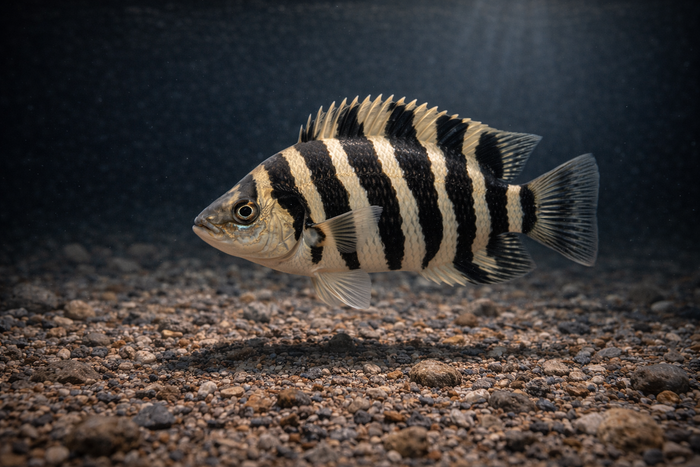
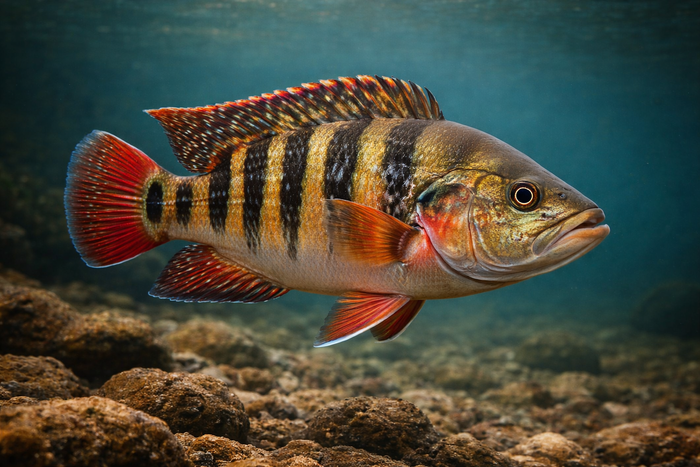
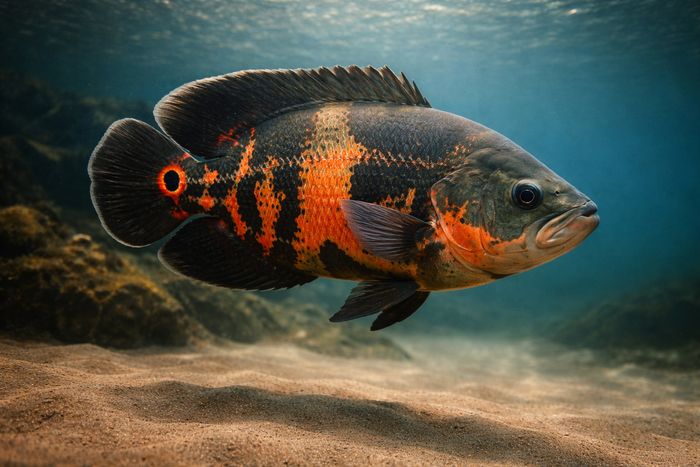
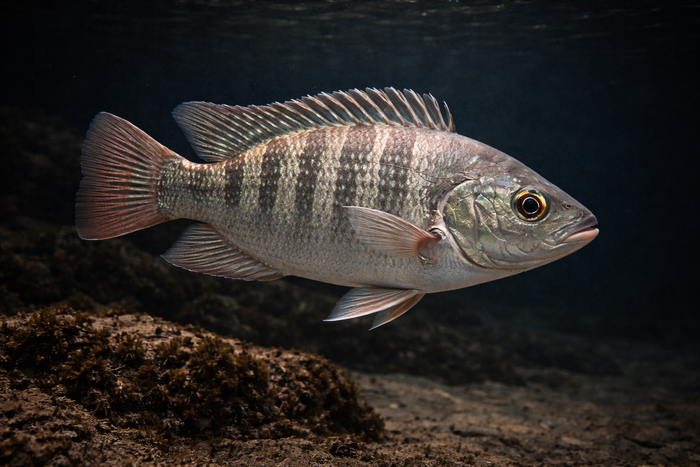
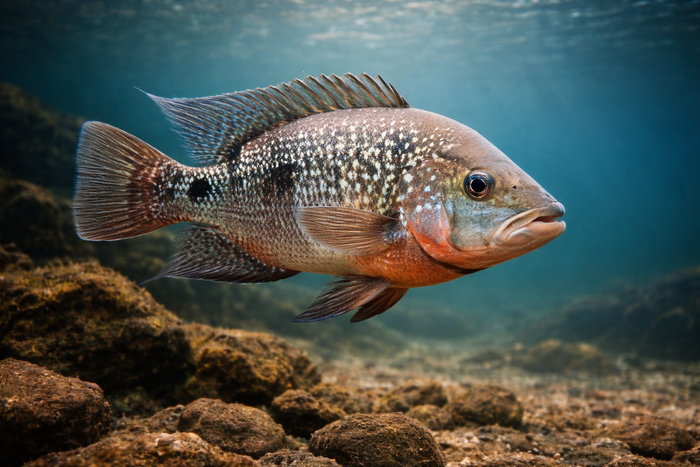
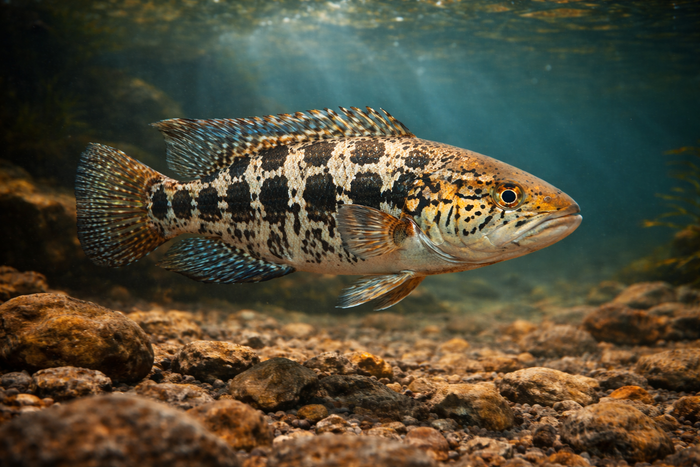
The Spotted Tilapia’s defining feature is its bold, irregular black spots scattered across a silvery-gray body. This pattern isn’t just for show; it serves as camouflage among rocks and submerged vegetation. Unlike many tilapia species, Pelmatolapia mariae boasts a more elongated body and a pronounced head shape, giving it a distinctive silhouette.
But it’s not just looks. This species exhibits complex parental care, with both males and females fiercely guarding their fry. Their mouthbrooding behavior, where they protect eggs and young in their mouths, is a survival strategy that sets them apart from many other cichlids. This level of parental investment is a key factor in their resilience and adaptability.
Habitat & Global Range
Spotted Tilapia habitat is primarily in West and Central Africa, with native populations found in river systems, lakes, and floodplains. They thrive in warm, slow-moving freshwater environments rich in vegetation and rocky substrates. Their preference for such habitats allows them to exploit a variety of food sources, from algae to small invertebrates.
However, their range has expanded beyond Africa due to human introduction. They’ve established populations in parts of North America, South America, and Asia, often becoming invasive. This expansion is a double-edged sword: it showcases their adaptability but also raises ecological concerns in non-native regions.
Behavior & Temperament
Spotted Tilapia are territorial and aggressive, especially during breeding. They stake out and defend nesting sites with vigor. This behavior can make them challenging tank mates in aquariums but fascinating to observe in the wild.
Their diet is omnivorous and opportunistic. They graze on algae, detritus, and small aquatic creatures, playing a versatile role in their ecosystem. Their feeding habits contribute to controlling algae growth but can also lead to competition with native species in introduced habitats.
Ecological Importance
In their native ecosystems, Spotted Tilapia play a crucial role in maintaining aquatic balance. By grazing on algae and organic matter, they help prevent excessive algal blooms that can suffocate waterways. Their nesting and territorial behaviors influence the distribution of other species, creating dynamic interactions within their communities.
Moreover, as prey for larger predators, they are an integral link in the food web. Their reproductive strategies ensure population stability, supporting the biodiversity of their habitats.
Conservation & Environmental Pressures
While not currently endangered, Spotted Tilapia face threats from habitat degradation, pollution, and overfishing in parts of their native range. Water quality decline and dam construction disrupt their breeding grounds and migratory patterns.
Invasive populations pose a different kind of challenge. In ecosystems where they are introduced, they can outcompete native species, alter habitat structures, and disrupt local fisheries. Managing their spread requires careful ecological assessment and intervention.
The FishyAF Take
Spotted Tilapia is a fish that demands respect. It’s a survivor with style, combining striking appearance with tough, adaptable behavior. Whether you’re a hobbyist, researcher, or conservationist, understanding Spotted Tilapia facts is essential for appreciating their role in freshwater ecosystems and managing their impact globally.
Their bold spots are more than a pattern—they’re a signature of resilience and ecological significance. Keep an eye on this species; it’s a textbook example of how a single fish can influence environments far beyond its original home.