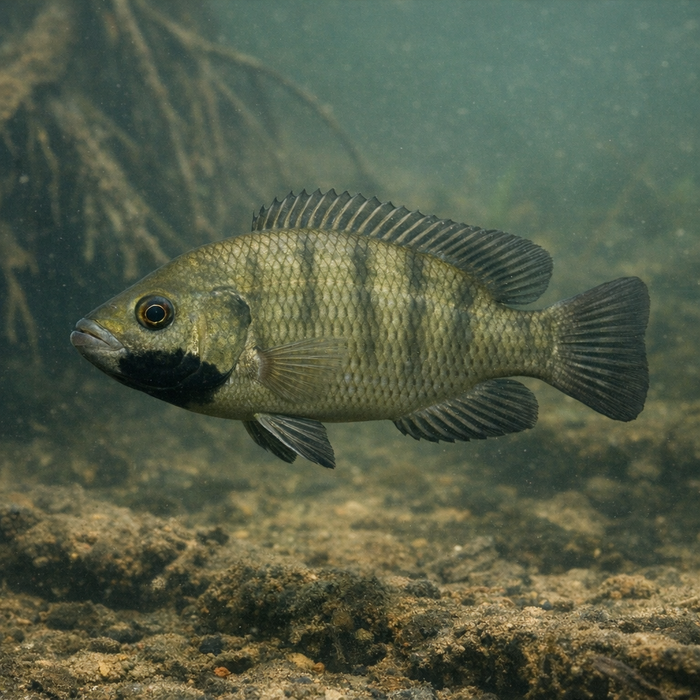
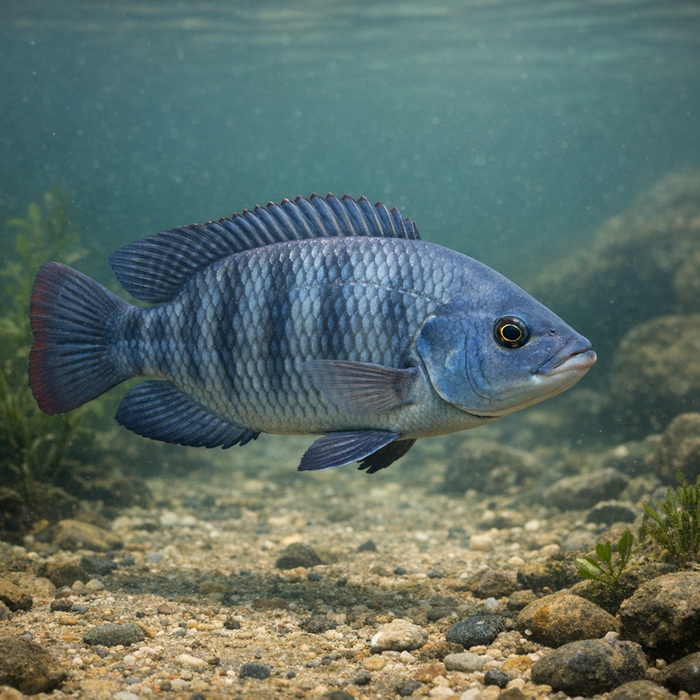
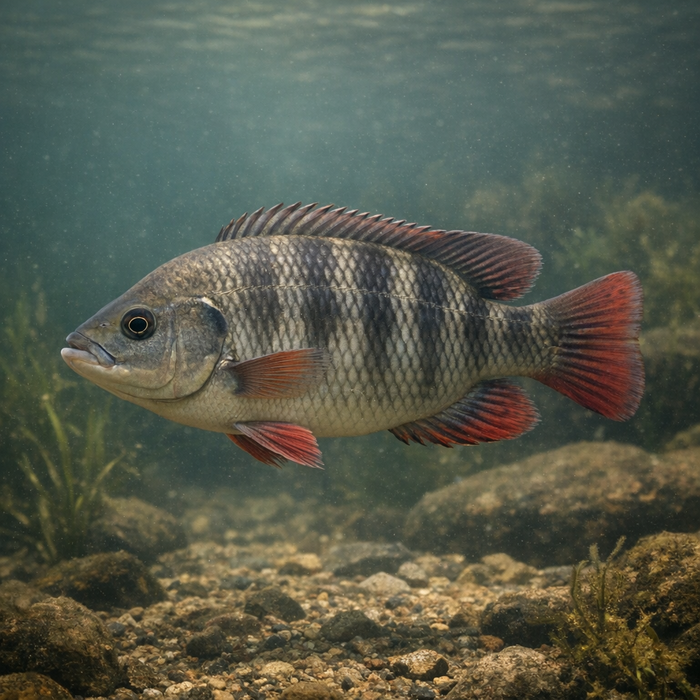
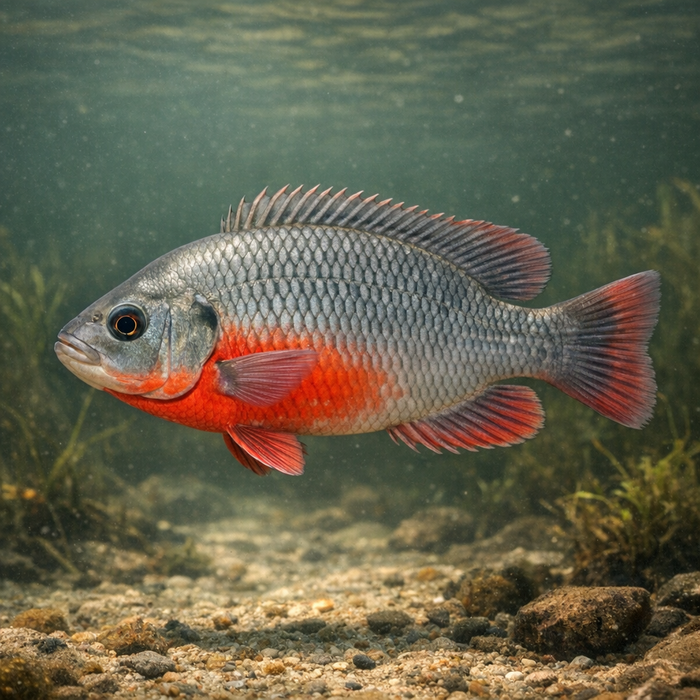
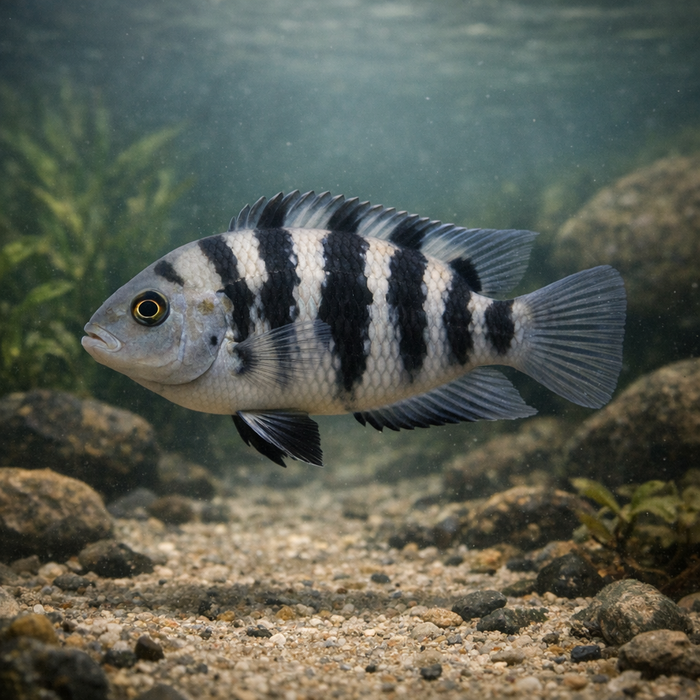
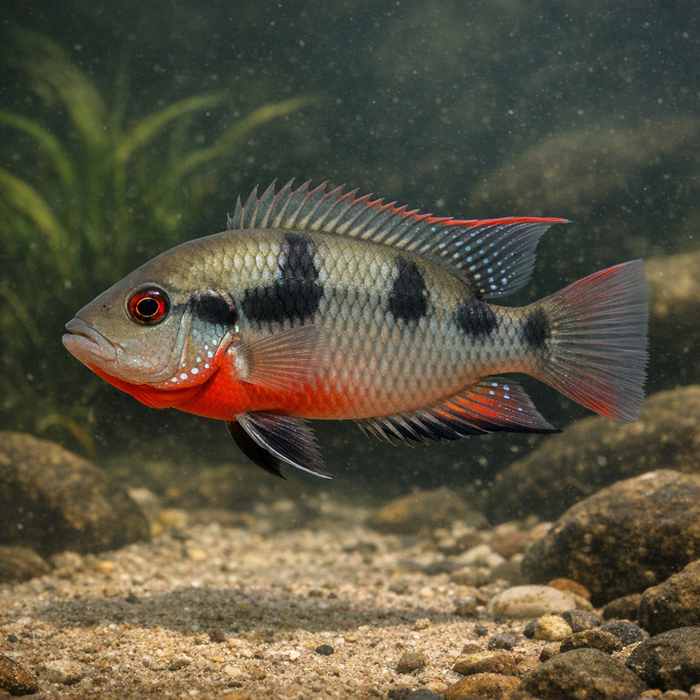
Redbelly Tilapia (Coptodon zillii): A Bold, Memorable Hook LineIntroductionRedbelly tilapia punch above their weight. They bulldoze nests, guard eggs like bouncers, and inhale bread balls like they've got a carb sponsorship. If you're prowling warm canals or weedy ponds and want steady action without hauling a tackle shop, this cichlid delivers. Here are the essential Redbelly tilapia facts, with zero fluff and just enough attitude to keep you awake.What Makes the Redbelly tilapia Unique?Most tilapia are famous mouthbrooders. Not this one. Redbelly tilapia are classic substrate spawners: pairs scrub out a saucer in the bottom, lay eggs, and then both parents go full security detail. It's a different parenting playbook, and it shapes their behavior around anglers too. Add in the breeding suit-males blaze with a red belly and sharp facial bars-and you get a fish that's easy to spot and fun to target. They're primarily herbivores, grinding plants with powerful pharyngeal teeth, so don't be shocked when a bread ball outfishes your fanciest lure.Habitat & Global RangeWhen someone says Redbelly tilapia habitat, picture warm, shallow water thick with weeds: canals, irrigation ditches, backwaters, and mellow lake margins. Native across Africa and parts of the Middle East, they've also been moved by humans to plenty of warm places for weed control and aquaculture. Redbelly tilapia handle brackish water well and can even flirt with near-marine salinity, which lets them occupy estuarine fringes that would KO other freshwater fish. They favor edges-reeds, pads, riprap, culverts-anywhere that grows salad and offers structure to guard.Behavior & TemperamentDuring spawning, they're territorial and bold, often patrolling nests in pairs or small clusters. Outside that window, redbelly tilapia graze methodically, picking at plants, algae, and the occasional invertebrate snack. They're not sprinters, but they're stubborn. Hook one on light line and it grinds into the weeds, using leverage more than speed. They commonly feed in 1 to 6 feet of water, and sight casting is a blast when clarity cooperates. Because they're plant-focused, finesse presentations-tiny hooks, light line, natural baits-regularly outfish hardware.Ecological ImportanceThese fish are aquatic gardeners with fins. By clipping vegetation and recycling plant matter, they shape plant communities, water clarity, and nutrient flow. Their nests disturb sediment in small patches, creating microhabitats for fry and invertebrates. In their native range they're part of the cichlid circus that fuels local food security. Moved elsewhere, they can pressure native vegetation and outcompete other grazers. Like most introductions, the ecological story depends on context, density, and management.Conservation & Environmental PressuresGlobally, redbelly tilapia sit comfortably at Least Concern. They tolerate warm water, low oxygen, and moderate salinity; they also breed early and often. But that toughness can be a liability in places they don't belong. Managers may target them where they crowd out natives or tangle with irrigation infrastructure. In their home waters, the usual suspects-pollution, habitat loss, and water mismanagement-can undercut local stocks, especially in smaller systems. As always, conditions vary wildly by region, so it pays to understand your local picture.The FishyAF TakeRedbelly tilapia are proof you don't need big or rare to be worth your time. They're visual, territorial, and accessible in places most anglers drive past. Want a quick fix before dinner? Toss a bread ball under a float along a weedy bank and watch your bobber dance. Want more of a game? Sight fish the beefiest nest guard on ultralight and try not to grin. For anglers who live on small water and simple gear, the redbelly tilapia is the underrated neighborhood brawler you'll keep going back to.