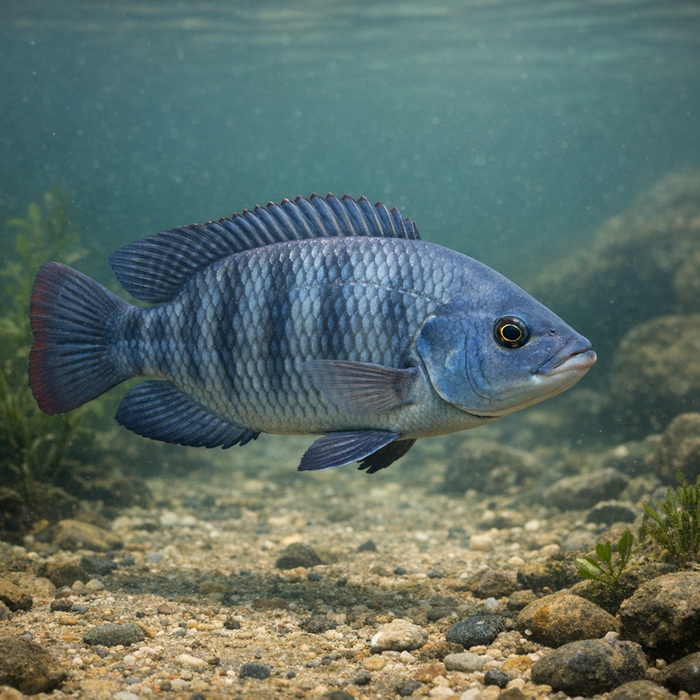
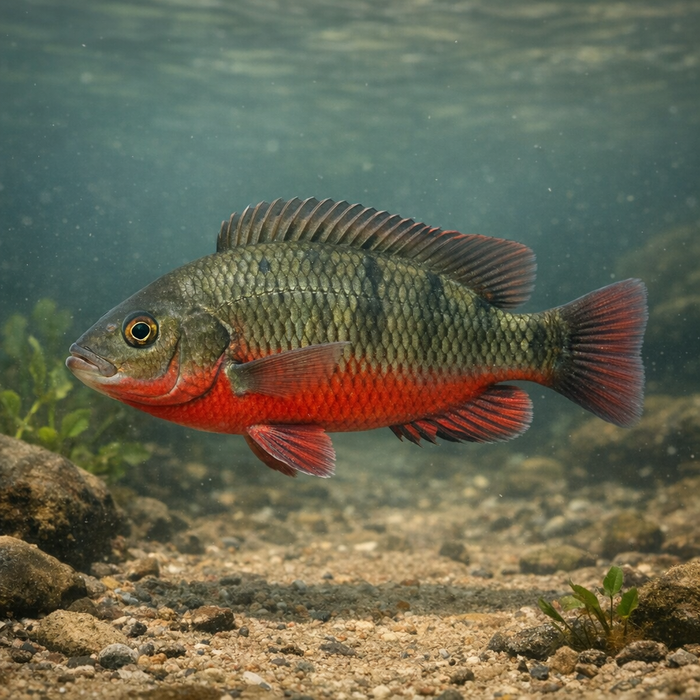
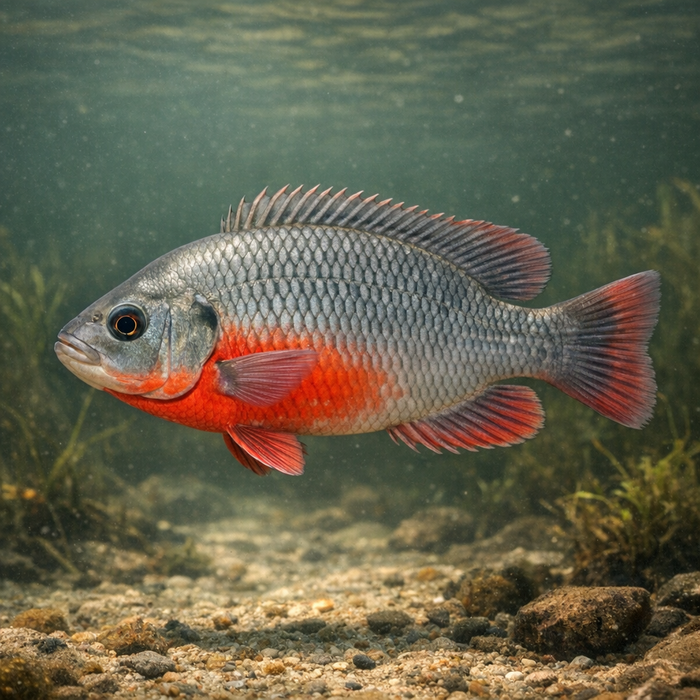
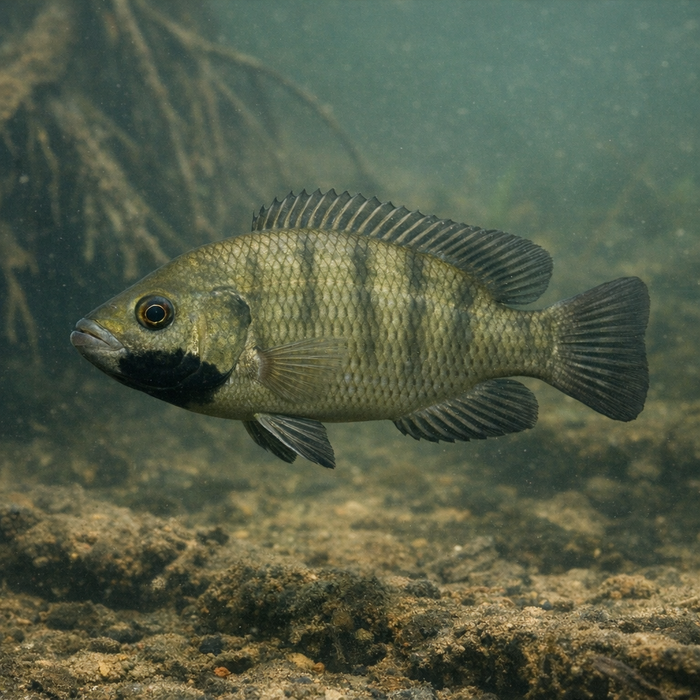
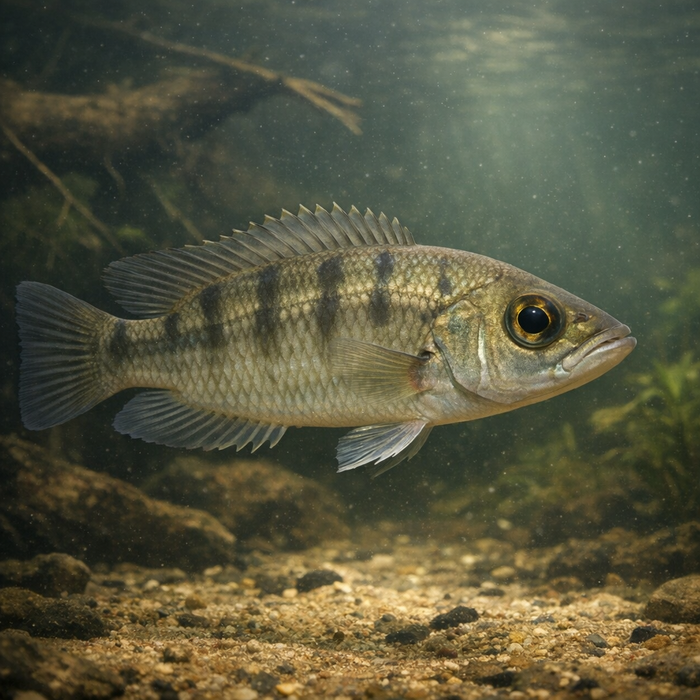
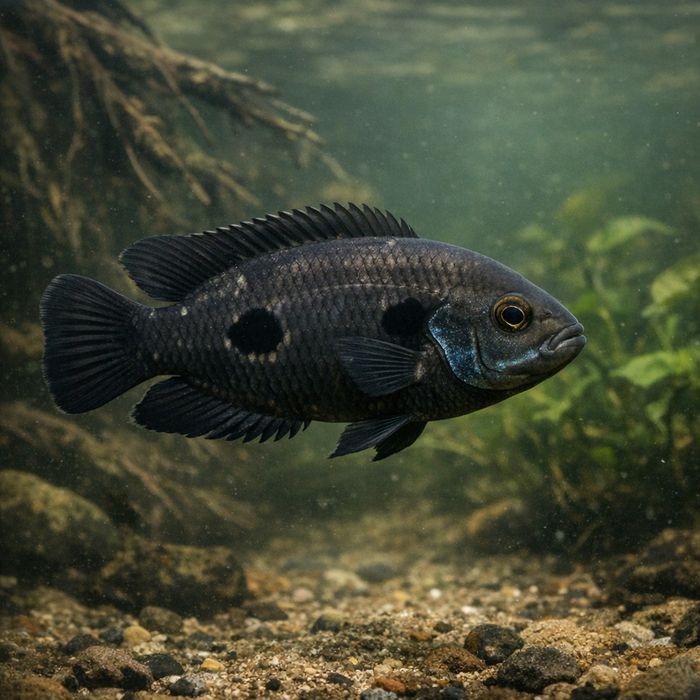
Mozambique tilapia (Oreochromis mossambicus): The scrappy cichlid that raids bread balls and rules warm weedy water.IntroductionIf your bobber vanishes the instant a bread ball hits the water, blame the Mozambique tilapia. Equal parts gardener and street brawler, this fish has conquered ditches, ponds, estuaries, and canals across the tropics. It's a favorite in aquaculture, a pest in some waterways, and a sneaky-fun target when you want steady action on light gear. Looking for real-deal Mozambique tilapia facts without the textbook yawn? You're in the right canal.What Makes the Mozambique tilapia Unique?First, parenting. Females are devoted mouthbrooders, scooping up eggs and fry and hauling the brood around like a mobile nursery. Second, hardiness. The Mozambique tilapia handles fresh and brackish water with ease, tolerates low oxygen, and keeps feeding where pickier fish give up. Third, hustle. Males carve circular spawning pits in the shallows and turn near-black when they're in the mood to impress. These aren't passive pond panfish; they're engineers with attitude.Habitat & Global RangeThe classic Mozambique tilapia habitat is warm, shallow, weedy water with gentle flow and a steady pantry of algae and detritus. Add a touch of brackish, and they're still at home, sliding into mangrove creeks and tidal canals with zero drama. Originally from southeastern Africa, they're now stocked or escaped nearly worldwide. Whether you're glassing a South African dam, a Hawaiian reservoir, or a California desert canal, odds are good the fish nosing your bait is a Mozambique tilapia or a close cousin. That global footprint fuels their reputation: accessible, adaptable, and always around. If you're scanning for "Mozambique tilapia habitat," think warm, shallow, and green.Behavior & TemperamentThey nibble like pickpockets and spook fast in clear water. Expect short pecks and quick rejections, especially from bigger adults. They feed throughout the day, with stronger windows when sun warms skinny water. During spawning, males guard pits, chase intruders, and look mean, but don't always bite hard; a tiny offering barely moving often seals the deal. Schooling is loose: juveniles pack up, while grown fish orbit cover, grass, riprap, and culverts. Hook one, and the fight is dogged rather than blistering, with a determined surge for the thick stuff.Ecological ImportanceThe Mozambique tilapia is both workhorse and wildcard. It converts algae and detritus into edible protein, a big reason it's farmed worldwide. It also mows down aquatic vegetation and competes with natives for nest sites and food. Mouthbrooding and repeat spawning let populations rocket upward in fertile water. In some places it's recruited to control mosquito larvae; in others, managers struggle to keep it from overrunning sensitive habitats. It's a reminder that tough fish solve problems and create new ones at the same time.Conservation & Environmental PressuresIn its native range, the species faces a weird paradox: it's everywhere globally, yet pressured at home. Habitat alteration, water abstraction, and widespread hybridization with other Oreochromis species muddy the gene pool. That's why some assessments list Mozambique tilapia as Near Threatened even while the internet shows them flooding canal systems elsewhere. Good management balances reality: support native lineages where they belong, and control or remove populations where they crowd out locals.The FishyAF TakeSnobs sneer at tilapia. Their loss. The Mozambique tilapia is accessible, visual, and maddeningly technical when you scale down. It's sight fishing with training wheels and traps: tiny hooks, thin line, light floats, and a steady hand. They turn bread crusts and corn into childhood nostalgia, then teach you finesse like a cranky sensei. Whether you're scratching a quick limit for the skillet or angling for a personal-best canal donkey, this cichlid brings dependable fun. File under underestimated, and enjoy the tug.