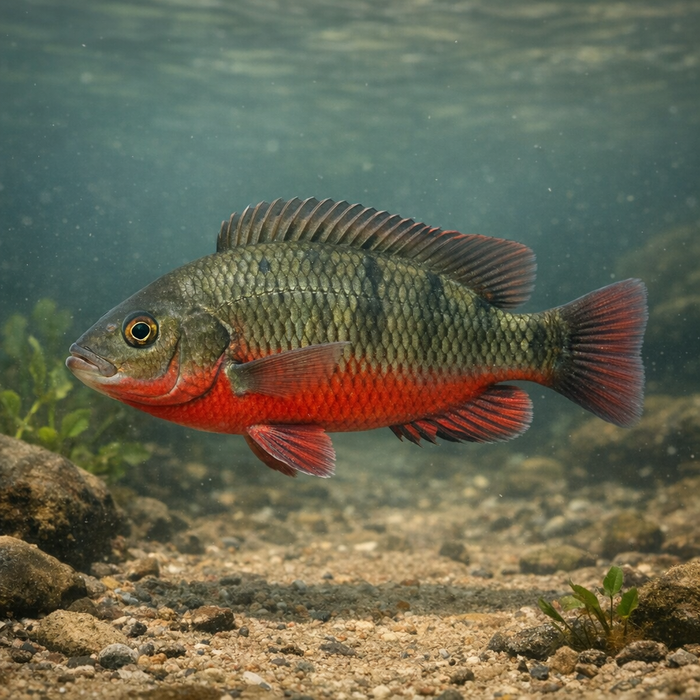
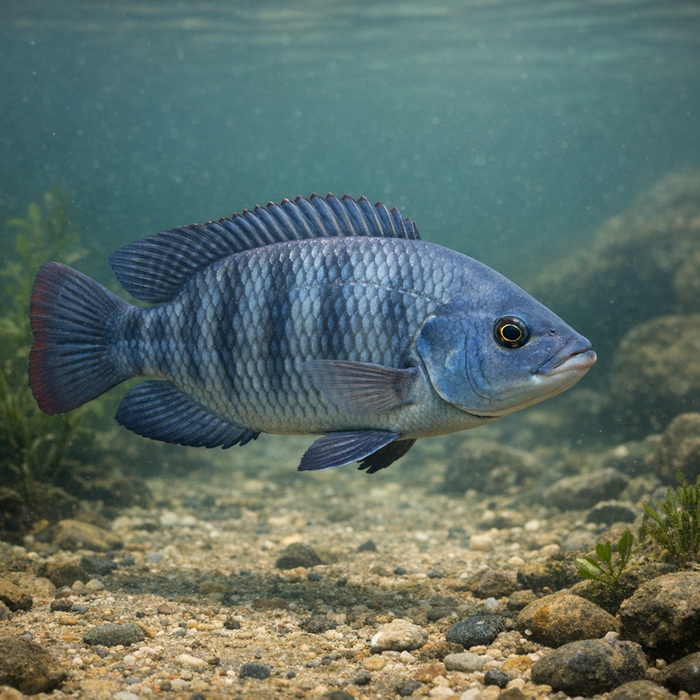
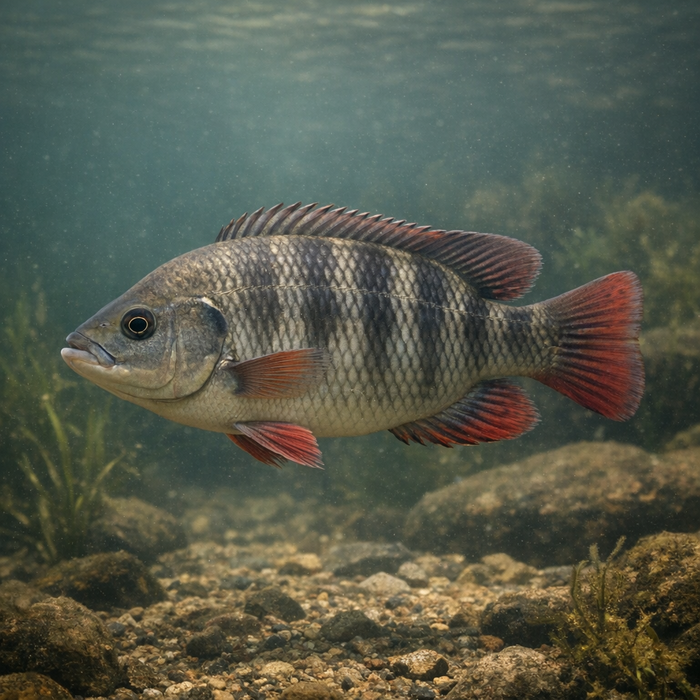
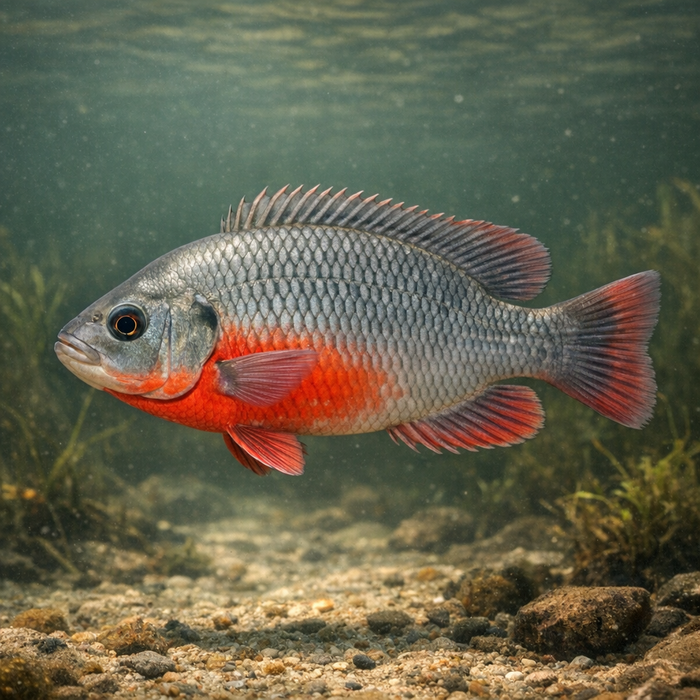
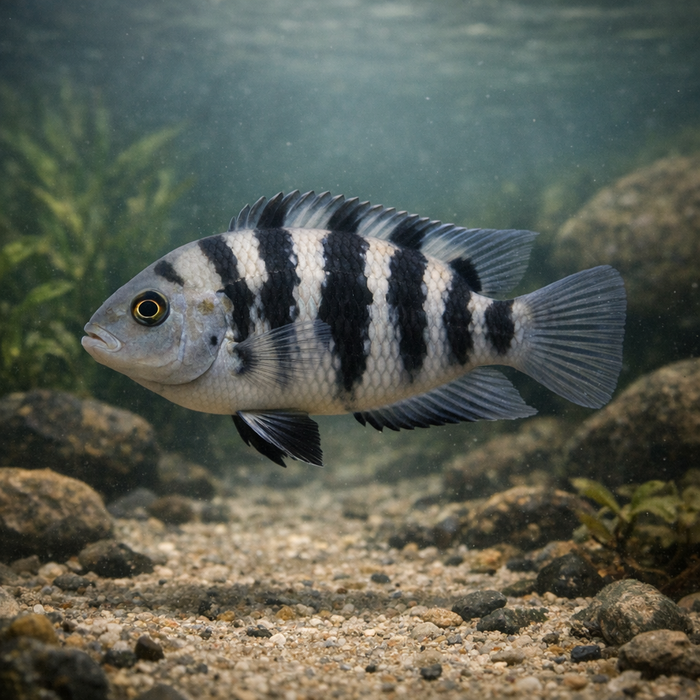
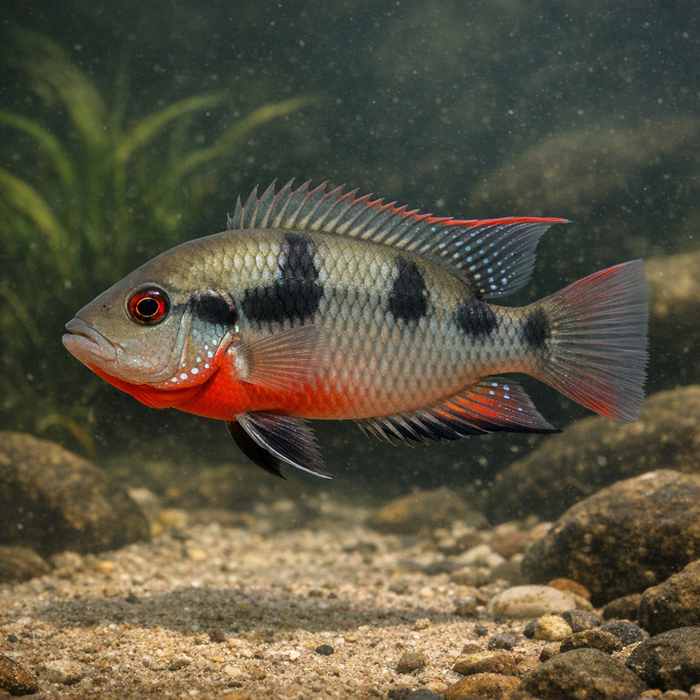
Blackchin Tilapia (Sarotherodon melanotheron): A Bold, Memorable Hook LineIntroductionIf you fish warm, weedy edges and urban canals, you've probably seen them: compact, slabby cichlids with an attitude and a soot-dark chin. The blackchin tilapia doesn't care if the water's fresh, salty, or somewhere in between. It's tough, opportunistic, and perfectly built for life in mangroves, lagoons, and even trash-strewn ditches. For anglers, that translates to an accessible, quirky target that hits bread like it owes rent.What Makes the Blackchin tilapia Unique?First, that name isn't marketing fluff. Breeding males wear a bold black throat patch that can go from subtle to ink-black in seconds. Second, blackchin tilapia are mouthbrooders, and the parental twist here is wild: males hold eggs and fry in their mouths for weeks, often skipping meals. Third, they're salinity-tolerant freaks in the best way, sliding from freshwater to brackish to hypersaline without throwing a fin. Those three traits alone separate this fish from your standard-issue panfish.Habitat & Global RangeThe classic blackchin tilapia habitat is a shallow, warm estuary system laced with mangroves, mud flats, and creeks. They're native to West African lagoons and deltas but have been introduced to a handful of tropical and subtropical places, including some Caribbean and Gulf Coast canals. Think calm water, soft bottoms, mangrove roots, seawalls, culverts, and riprap. They love edges where algae and detritus pile up. Tide moves food, but they're comfortable in slack canals too. If you're scouting new water, focus on low-gradient backwaters with green scum, mild current, and cover. That's blackchin tilapia habitat in a nutshell.Behavior & TemperamentBlackchin tilapia are nibblers with a backbone. They pick at algae mats and detritus, but they'll smash a doughball or tiny shrimp when the mood hits. Around structure, they move in loose groups, with stronger territorial behavior during spawning. They're not screamers on light tackle, but they bulldog hard and try to saw off in roots. During brood care, a male will mouth the kids at the first hint of danger and then stand sentry like a grumpy doorman. Low light and moving water often perk them up, and in murky canals they'll rise to the surface film to cope with low oxygen.Ecological ImportanceCall them the cleanup crew. By grinding periphyton and recycling detritus, blackchin tilapia help stabilize nutrient-charged systems and can tamp down runaway algal mats. They slot into food webs as both hard-to-kill omnivores and reliable prey for birds, crocs, and bigger fish. Where densities are high, their grazing pressure can reshape shoreline plant communities. That makes them indicators of change, for better or worse, in estuarine ecosystems.Conservation & Environmental PressuresAcross their native range, the species is generally considered stable, though local pressure and habitat loss can dent populations. They're hardy, but not bulletproof. Pollution, shoreline hardening, and blocked tidal flow suck the life out of nursery zones. In introduced waters, they can crowd out natives if conditions suit them too well. For anglers, the smart play is to know local rules, respect removal policies where they're nonnative, and keep waters cleaner than you found them.The FishyAF TakeBlackchin tilapia are the canal bandits of the cichlid world. Not glamorous, but absolutely dependable fun if you bring light gear and a pocket of bread. They reward stealth, accurate pitching, and a sense of humor when they peck you clean. If you're after practical Blackchin tilapia facts, start with this: they're tough, adaptable, and oddly handsome when that throat goes charcoal. For quick action in warm backwaters, few fish deliver more bites per hour with so little fuss. Bread up, sneak in, and let the blackchin tilapia do what it does best: make dirty water fishy again.