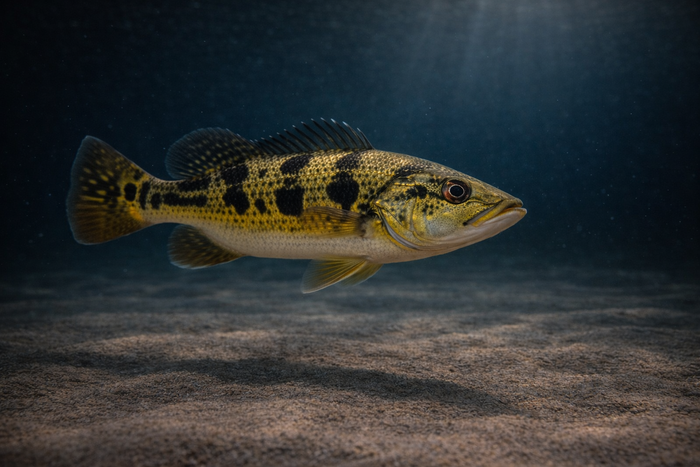
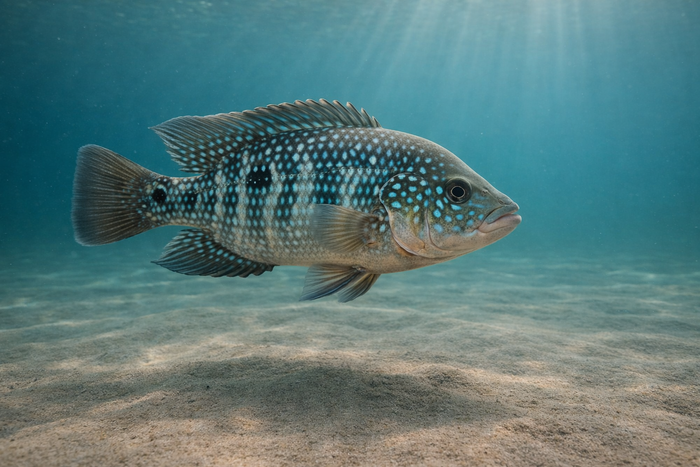
Zebra Tilapia (Heterotilapia buttikoferi): Stripes That Command Attention and Attitude That Matches
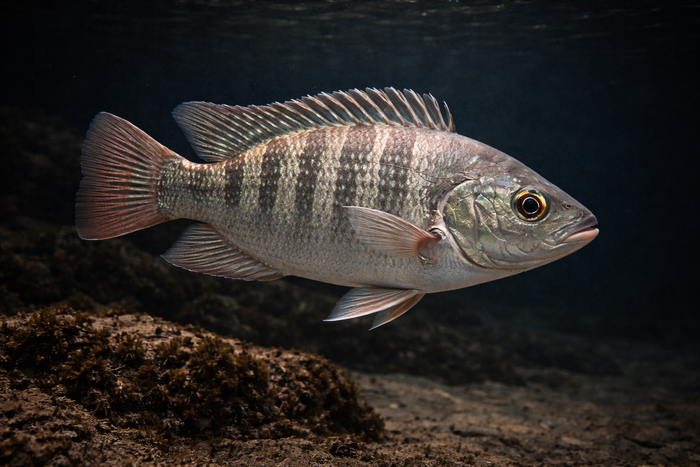
The Zebra Tilapia, scientifically known as Heterotilapia buttikoferi, is not your average freshwater fish. Sporting bold black-and-white stripes that make it look like it’s ready for a prison break, this species stands out in the crowded world of cichlids. Beyond its striking appearance, the Zebra Tilapia offers a fascinating glimpse into the complex behaviors and ecological roles of African river fish. Whether you’re a hobbyist, a biologist, or just a curious observer, understanding this fish means appreciating a creature that’s as tough as it is beautiful.
What Makes the Zebra Tilapia Unique?
The Zebra Tilapia’s most obvious feature is its zebra-like pattern—thick, contrasting vertical stripes that cover its body and fins. But this fish isn’t just about looks. It’s a robust, aggressive cichlid with a strong territorial streak. Unlike many tilapia species that lean towards a more subdued palette, the Zebra Tilapia’s coloration serves as a bold warning to rivals and a signal to potential mates.
Its body shape is deep and laterally compressed, giving it a powerful, tanky profile. This fish is a substrate spawner, known for its attentive parental care. Both parents guard the eggs and fry aggressively, which is a hallmark of many cichlid species but particularly pronounced here. This dedication boosts offspring survival in the wild’s competitive environment.
Habitat & Global Range
Zebra Tilapia hail from the freshwater rivers and streams of West Africa, particularly Liberia and Ivory Coast. Their preferred Zebra Tilapia habitat includes fast-flowing, rocky rivers with plenty of hiding spots and strong currents. These environments shape their behavior and physiology—muscular bodies for swimming against currents and sharp territorial instincts for defending prime real estate.
While native to a relatively narrow range, Zebra Tilapia have been introduced elsewhere, sometimes as part of aquaculture or aquarium trade. Their adaptability to different water conditions has helped them survive outside their original habitat, but this also raises concerns about ecological impacts in non-native regions.
Behavior & Temperament
If you think Zebra Tilapia are just pretty faces, think again. These fish are aggressive and territorial, especially during breeding. They stake out and defend their territory with vigor, making them a challenge for community tanks. They don’t tolerate intruders lightly and will chase or nip at other fish that get too close.
However, their aggression is not mindless. It’s strategic and tied to breeding success. Outside of breeding, they can be somewhat tolerant of tankmates if given enough space and hiding spots. But don’t expect them to be peaceful community players.
Zebra Tilapia are also highly intelligent compared to many other fish. They recognize their owners, respond to feeding routines, and exhibit complex social behaviors. Watching their interactions offers insight into cichlid social structures and survival strategies.
Ecological Importance
In their native rivers, Zebra Tilapia play a vital role in maintaining ecosystem balance. They are omnivores, feeding on algae, small invertebrates, and detritus. This diet helps control algal growth and recycles nutrients, contributing to water quality and habitat health.
Their aggressive territorial behavior influences the distribution of other fish species, shaping community dynamics. By defending prime spawning grounds, they affect which species can coexist in the same environment. This competitive pressure promotes biodiversity by preventing any one species from dominating.
Additionally, their parental care ensures higher survival rates for their young, supporting stable population levels. This reproductive strategy is crucial in environments where predation and competition are intense.
Conservation & Environmental Pressures
Despite their toughness, Zebra Tilapia face threats from habitat degradation and pollution. Deforestation, mining, and agricultural runoff in West Africa have altered river systems, impacting water quality and flow regimes critical to their survival. Sedimentation and chemical pollutants can reduce oxygen levels and destroy breeding sites.
Overfishing and capture for the aquarium trade also exert pressure, though less so than habitat loss. Introduced species and hybridization pose additional risks by diluting genetic integrity and competing for resources.
Conservation efforts focus on habitat protection and sustainable management of river ecosystems. Maintaining water quality and natural flow patterns is essential. In some areas, captive breeding programs aim to reduce wild collection and preserve genetic diversity.
The FishyAF Take
Zebra Tilapia are not just another striped fish to toss in a tank. They are a vivid example of how form, function, and behavior intertwine in the wild. Their striking appearance demands attention, but it’s their fierce personality and ecological role that make them truly fascinating.
For aquarists, Zebra Tilapia offer a rewarding challenge. They require respect, space, and a setup that mimics their natural habitat. They are not for the faint-hearted or the minimalist tank keeper. But for those willing to meet their needs, they provide a front-row seat to cichlid drama and parental devotion.
From an ecological standpoint, Zebra Tilapia remind us that even the boldest, most aggressive species have a place in the delicate balance of freshwater ecosystems. Protecting their habitat means preserving the complex interactions that sustain river health and biodiversity.
In short, Zebra Tilapia facts go beyond stripes and aggression. They tell a story of survival, adaptation, and the raw beauty of nature’s design. If you want a fish that commands respect and delivers on every level, the Zebra Tilapia is your go-to species.