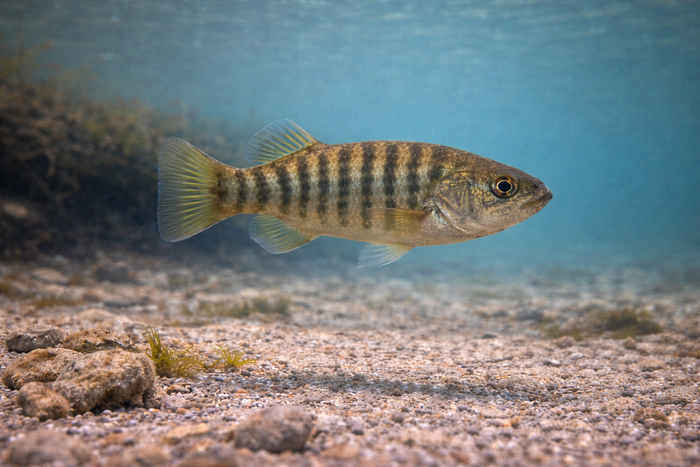
Fourspine Stickleback (Apeltes quadracus): Small Fish, Big Attitude
The Fourspine Stickleback is a compact warrior of the freshwater and brackish waters along the North American Atlantic coast. Don’t let its modest size fool you. This fish packs a punch with its distinctive spines and bold behavior, making it a fascinating subject for anglers, biologists, and anyone interested in the gritty details of aquatic life. If you’re diving into Fourspine Stickleback facts, prepare for a deep look at a species that’s as tough as it is intriguing.
What Makes the Fourspine Stickleback Unique?
The Fourspine Stickleback stands out primarily because of its name-worthy feature: four sharp spines located in front of its dorsal fin. These spines are not just for show; they serve as a formidable defense mechanism against predators. Unlike many fish that rely on speed or camouflage, this little fighter uses its spines as armor, a literal prickly deterrent.
Beyond its spines, the Fourspine Stickleback has a slender, streamlined body covered with bony plates rather than typical fish scales. This armor plating adds another layer of protection and gives the fish a prehistoric, armored look. Its coloration is usually a muted olive or brown with a lighter belly, helping it blend into the aquatic vegetation and substrate.
Another standout trait is its reproductive behavior. Males build intricate nests from plant material and guard them fiercely. They perform elaborate courtship dances to attract females, showcasing a surprising level of parental investment for such a small fish. This dedication ensures higher survival rates for their offspring, a smart evolutionary move.
Habitat & Global Range
The Fourspine Stickleback’s habitat is a mix of fresh and brackish waters along the Atlantic coast of North America, stretching from Nova Scotia down to the mid-Atlantic states. It thrives in shallow bays, estuaries, tidal creeks, and freshwater streams. This adaptability to varying salinity levels is a key factor in its survival and distribution.
When exploring Fourspine Stickleback habitat, you’ll find them favoring areas with plenty of aquatic vegetation or submerged structures. These environments provide both food sources and shelter from predators. The species is often found in waters with slow currents, where it can maneuver easily and build nests without disruption.
Their presence in both freshwater and slightly salty environments makes them a valuable indicator species for monitoring ecosystem health in coastal and estuarine zones. Changes in their population can signal shifts in water quality or habitat conditions.
Behavior & Temperament
Fourspine Sticklebacks are feisty little fish. They exhibit territorial behavior, especially during the breeding season when males stake out prime nesting spots. Males become aggressive, chasing away rivals and potential threats with quick darting movements and spine displays.
Outside of breeding, they tend to school in small groups, which offers safety in numbers. Their diet is opportunistic, feeding on small invertebrates, insect larvae, and plankton. This generalist feeding strategy helps them survive in fluctuating conditions where food availability can change rapidly.
Their reproductive behavior is particularly noteworthy. Males construct nests on the substrate using plant fragments and glue-like secretions. After attracting a female with a dance, the female deposits eggs in the nest, and the male fertilizes and guards them until they hatch. This level of paternal care is unusual among small fish and highlights their evolutionary investment in offspring survival.
Ecological Importance
The Fourspine Stickleback plays a crucial role in its ecosystem. As both predator and prey, it forms a vital link in the aquatic food web. By feeding on insect larvae and small invertebrates, it helps control populations of species that could otherwise become pests or disrupt ecological balance.
At the same time, Fourspine Sticklebacks are a food source for larger fish, birds, and other predators. Their spines may deter some attacks, but they remain an important nutritional resource for many species.
Moreover, their nesting behavior contributes to the health of aquatic vegetation by influencing plant growth and sediment structure. Their presence can indicate a healthy, functioning ecosystem, making them a natural barometer for environmental scientists.
Conservation & Environmental Pressures
While the Fourspine Stickleback is not currently listed as endangered, it faces several environmental pressures that could impact its populations. Habitat degradation from coastal development, pollution, and changes in salinity due to freshwater diversion or climate change pose significant threats.
Estuarine and tidal creek habitats are particularly vulnerable to human activity. Loss of vegetation, increased sedimentation, and chemical runoff can reduce the quality of Fourspine Stickleback habitat, affecting their ability to feed, reproduce, and avoid predators.
Monitoring Fourspine Stickleback populations offers insight into the broader health of coastal ecosystems. Conservation efforts aimed at protecting estuaries and maintaining water quality indirectly support this species and countless others that share its habitat.
The FishyAF Take
The Fourspine Stickleback is a small fish with a big story. Its unique spines, armored body, and dedicated parenting make it a standout in the crowded world of coastal fish species. It’s a reminder that even the smallest creatures can have complex behaviors and important ecological roles.
For anyone interested in Fourspine Stickleback facts or habitat, this species offers a window into the delicate balance of estuarine and coastal ecosystems. Protecting their environment means preserving a vital piece of aquatic biodiversity. Next time you’re near a tidal creek or estuary, keep an eye out for this spiky little fighter. It’s proof that nature’s toughness often comes in small packages.