Banded Killifish (Fundulus diaphanus): Stripes That Command Attention in North America’s Freshwaters
The Banded Killifish is a small but striking freshwater fish that punches well above its weight in terms of ecological role and visual appeal. Known scientifically as Fundulus diaphanus, this species is a staple in the clear streams, lakes, and ponds of eastern North America. If you’re diving into Banded Killifish facts, expect a fish that’s as adaptable as it is distinctive, with bold vertical stripes that make it impossible to overlook. This guide breaks down everything you need to know about this underappreciated native species.
What Makes the Banded Killifish Unique?
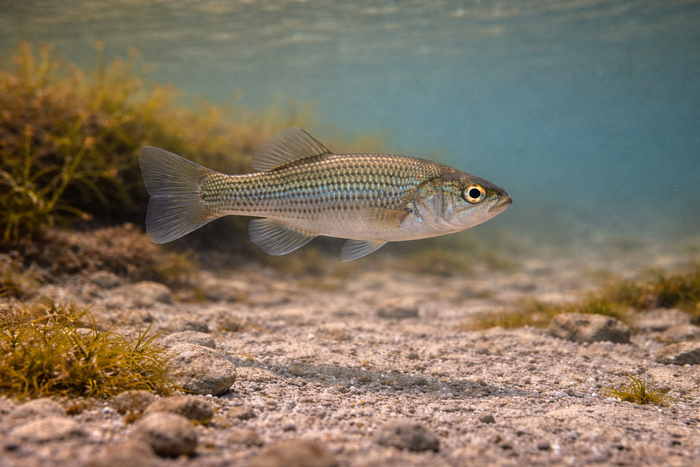
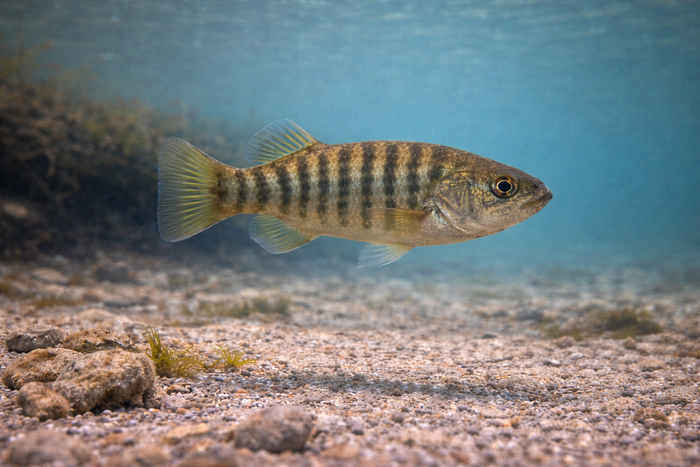
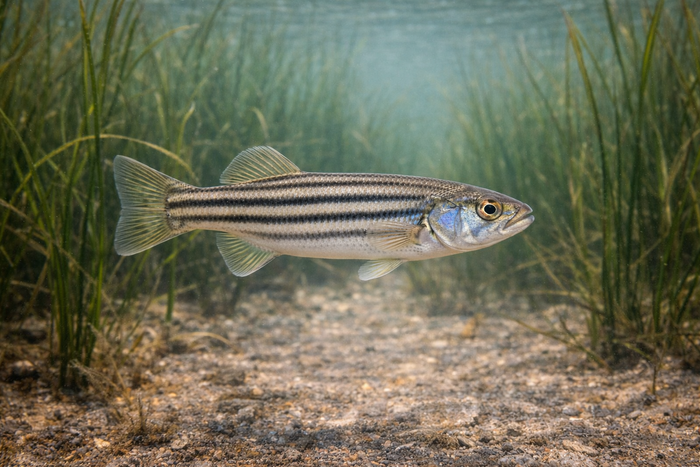
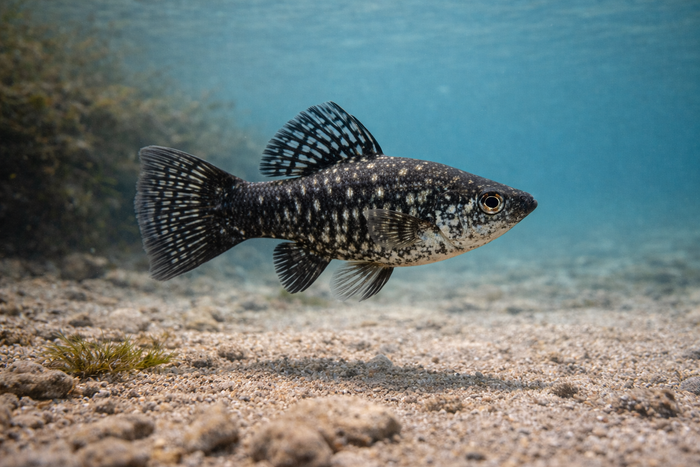
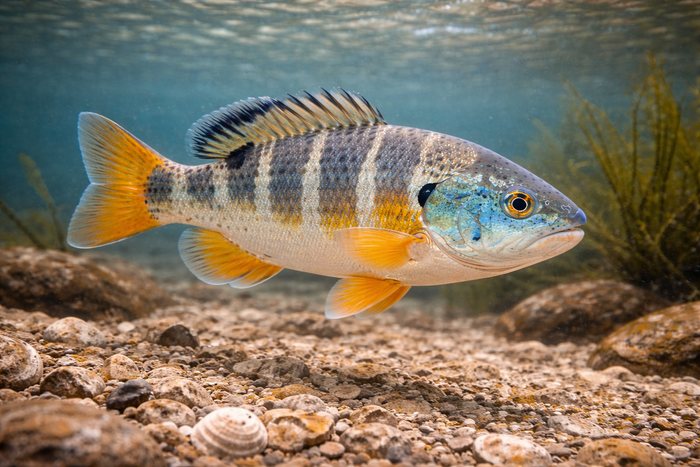
The Banded Killifish stands out primarily because of its unmistakable pattern: a series of vertical dark bands running along a silvery body. These stripes aren’t just for show—they serve as camouflage among aquatic vegetation and help disrupt the fish’s outline from predators. Unlike many killifish that prefer stagnant or brackish waters, Fundulus diaphanus thrives in cooler, well-oxygenated freshwater environments.
Another unique trait is their remarkable tolerance for a range of environmental conditions. Banded Killifish can handle variable temperatures and oxygen levels better than many other small fish species. They also exhibit sexual dimorphism during breeding season, with males developing brighter coloration and more pronounced banding to attract females.
Habitat & Global Range
The Banded Killifish’s habitat is a textbook example of versatility within a specific niche. It is native to the freshwater systems of eastern North America, stretching from the Great Lakes region down through parts of the northeastern United States and into southeastern Canada. Their preferred Banded Killifish habitat includes clear, cool lakes, slow-moving streams, and ponds with abundant submerged vegetation.
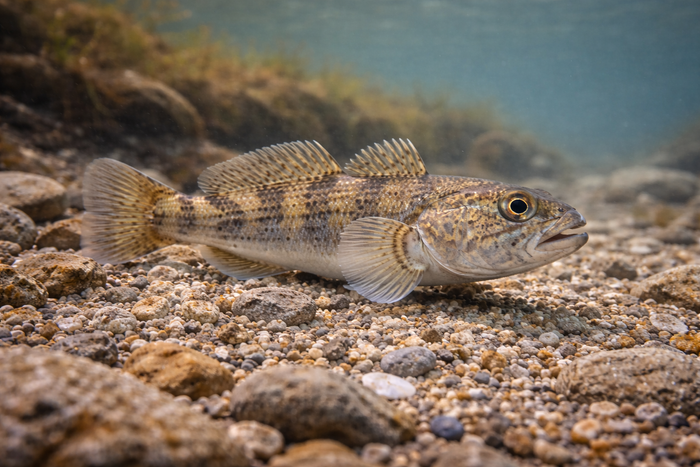
These fish are bottom dwellers but not bottom feeders; they often hover just above the substrate, using aquatic plants for cover and hunting grounds. Their presence is a good indicator of water quality because they require relatively clean, well-oxygenated water to thrive. While not migratory, they can disperse locally through connected waterways, maintaining genetic diversity across populations.
Behavior & Temperament
Banded Killifish are schooling fish, which means they prefer the safety of numbers. This schooling behavior reduces individual risk from predators and improves foraging efficiency. They are active during the day, feeding primarily on small invertebrates, insect larvae, and zooplankton. Their feeding strategy is opportunistic but precise, picking off prey with quick, darting movements.
Temperament-wise, these fish are peaceful and non-aggressive, making them suitable for community tanks in captivity, provided tank mates are similarly non-territorial. During spawning, males become territorial and display more vivid colors to compete for female attention, but outside of breeding, they coexist without fuss.
Ecological Importance
Don’t underestimate the Banded Killifish’s role in freshwater ecosystems. They are a crucial mid-level link in the food web. By feeding on insect larvae and zooplankton, they help control populations of aquatic insects, some of which can be pests or disease vectors. In turn, Banded Killifish serve as prey for larger fish, birds, and amphibians, supporting biodiversity.
Their presence also contributes to the health of aquatic vegetation by influencing the invertebrate community, which can affect plant growth and water clarity. In essence, Fundulus diaphanus helps maintain the balance of freshwater habitats, making them an ecological linchpin despite their modest size.
Conservation & Environmental Pressures
While not currently listed as endangered, the Banded Killifish faces challenges from habitat degradation and pollution. Urbanization, agricultural runoff, and invasive species threaten the quality of their freshwater habitats. Sedimentation and chemical pollutants reduce water clarity and oxygen levels, conditions that Banded Killifish are sensitive to despite their adaptability.
Climate change adds another layer of pressure by altering water temperatures and flow patterns, potentially shrinking suitable habitat ranges. Conservation efforts focus on protecting clean waterways, restoring aquatic vegetation, and monitoring populations to ensure this species remains a thriving part of North America’s freshwater fauna.
The FishyAF Take
The Banded Killifish is a prime example of a small fish with a big impact. Its bold stripes and adaptable nature make it a standout species for anyone interested in freshwater biodiversity. If you’re looking to understand how native fish contribute to ecosystem health, Fundulus diaphanus offers a clear, compelling case.
This species deserves more attention—not just from anglers and aquarists but from conservationists and environmental planners. Protecting the Banded Killifish means safeguarding the integrity of freshwater habitats that countless other species depend on. Keep an eye out for those vertical bands next time you’re near a clear stream or lake. They’re a sign that the ecosystem is still holding strong.