Common Molly (Poecilia sphenops): The Hardy Livebearer That Turns Any Tank Into a Dynamic Aquarium
The Common Molly is a staple in the freshwater aquarium world, known for its resilience, adaptability, and lively presence. This fish isn’t just a beginner’s favorite; it’s a versatile species that thrives in a variety of conditions, making it a reliable choice for hobbyists who want a splash of activity and color without the drama. If you’re diving into Common Molly facts, expect a fish that’s as tough as it is engaging, with a personality that fills your tank with movement and life.
What Makes the Common Molly Unique?
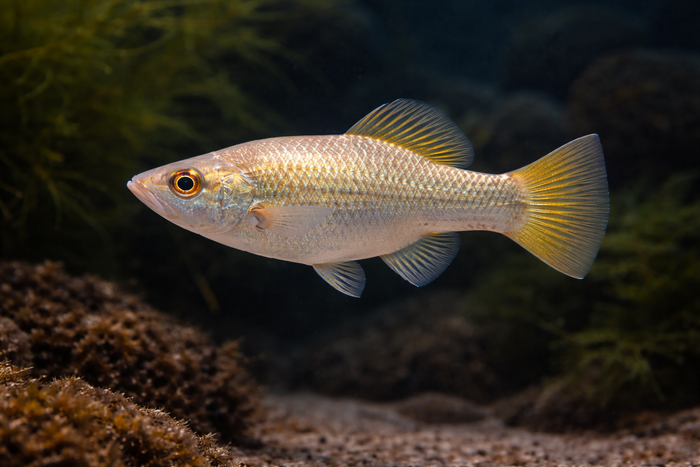
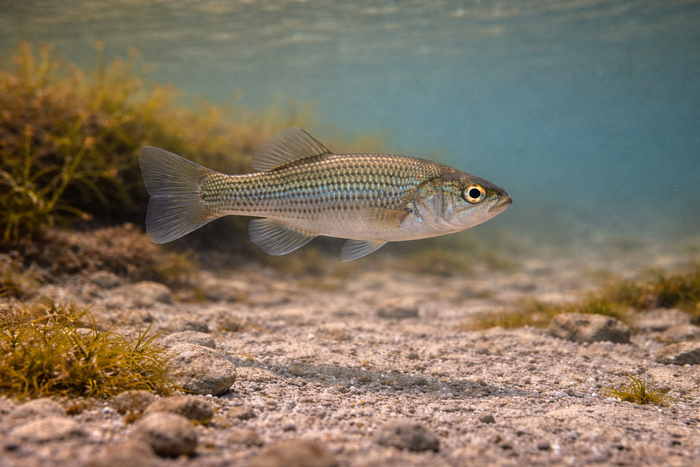
Common Mollies stand out for their livebearing reproduction, meaning they give birth to free-swimming young rather than laying eggs. This trait alone sets them apart from many other aquarium fish and adds an intriguing dynamic to tank life. They sport a sleek, torpedo-shaped body with a variety of color morphs, from classic silver to black, and even spotted or dalmatian patterns. Their hardy nature means they can tolerate a range of water conditions, including brackish environments, which is unusual for freshwater fish.
Another unique feature is their omnivorous diet with a strong inclination toward plant matter, making them excellent algae eaters. This dual role as both a lively community fish and a natural tank cleaner adds to their appeal. Their social behavior is also notable—they prefer groups and display schooling tendencies, which can create a vibrant, interactive display in your aquarium.
Habitat & Global Range
Originally native to the fresh and brackish waters of Central America, particularly Mexico, the Common Molly’s natural habitat includes slow-moving rivers, streams, and coastal lagoons. Their ability to tolerate varying salinity levels means they often inhabit environments where freshwater meets the sea. This adaptability has allowed them to spread beyond their native range, often introduced by humans into new areas worldwide.
In the wild, Common Molly habitat features warm, shallow waters with plenty of vegetation. These plants provide shelter and breeding grounds, crucial for their livebearing lifestyle. Their tolerance for a broad temperature range and water chemistry makes them resilient in the face of environmental fluctuations, a trait that has helped them establish populations in diverse climates.
Behavior & Temperament
Common Mollies are active, social fish that thrive in groups. They exhibit schooling behavior, which not only reduces stress but also enhances their natural curiosity and interaction with their environment. Expect them to explore every nook of the tank, often darting around with bursts of energy.
Their temperament is generally peaceful, but males can be territorial and display mild aggression during breeding periods. This means a well-planned community tank is essential to avoid stress and injury. They coexist well with other non-aggressive species, especially those that share similar water requirements.
Mollies are also known for their breeding habits. Males constantly court females with a series of displays, and females can store sperm to fertilize multiple batches of fry. This reproductive efficiency means populations can grow quickly, so be prepared for a lively, bustling tank if you keep both sexes.
Ecological Importance
In their native ecosystems, Common Mollies play a significant role as both predator and prey. Their diet helps control algae and small invertebrate populations, contributing to the balance of aquatic vegetation and water quality. By consuming algae, they help prevent overgrowth that can suffocate other aquatic life.
As prey, they support larger fish, birds, and other predators, forming a crucial link in the food web. Their presence indicates healthy water systems, especially in brackish environments where few species can thrive. Their adaptability also makes them a useful bioindicator for environmental changes, signaling shifts in water quality or habitat conditions.
Conservation & Environmental Pressures
While the Common Molly is not currently endangered, its populations face challenges from habitat destruction, pollution, and competition from invasive species. Urban development and agricultural runoff degrade their natural habitats, affecting water quality and vegetation cover essential for breeding and shelter.
Introductions outside their native range have sometimes led to ecological imbalances, with Mollies outcompeting local species. This highlights the importance of responsible aquarium trade practices and preventing accidental releases into the wild.
Conservation efforts focus on habitat preservation and maintaining water quality in their native regions. Sustainable aquarium trade practices also play a role in reducing pressure on wild populations. Understanding Common Molly habitat needs is key to supporting their long-term survival both in the wild and captivity.
The FishyAF Take
The Common Molly is the aquarium equivalent of a reliable, no-nonsense workhorse with a splash of flair. Its adaptability, ease of care, and engaging behavior make it a must-have for anyone looking to build a lively freshwater tank. But don’t mistake its hardiness for simplicity—these fish bring complexity through their social interactions and reproductive strategies.
If you want a fish that can handle a range of water conditions, help keep your tank clean, and offer endless entertainment, the Common Molly delivers. Just keep an eye on breeding to avoid an overpopulated tank, and choose tank mates wisely to maintain peace.
In the world of freshwater fish, the Common Molly stands out as a species that combines toughness with charm, making it a cornerstone of aquarium culture and a fascinating subject for anyone interested in aquatic life. Whether you’re a newbie or a seasoned aquarist, mastering Common Molly facts and understanding their habitat will elevate your fishkeeping game.