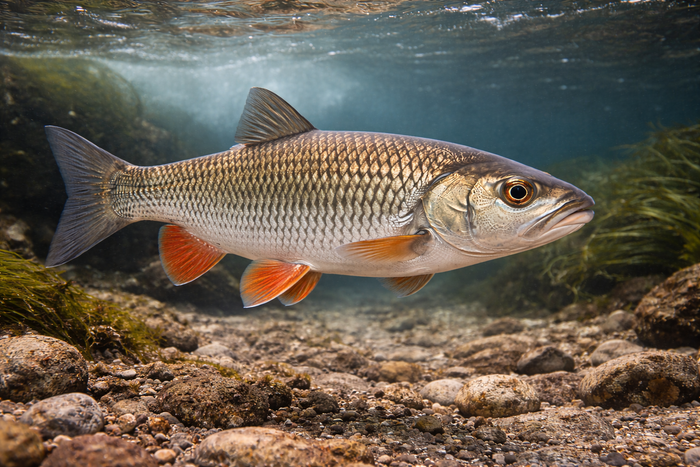
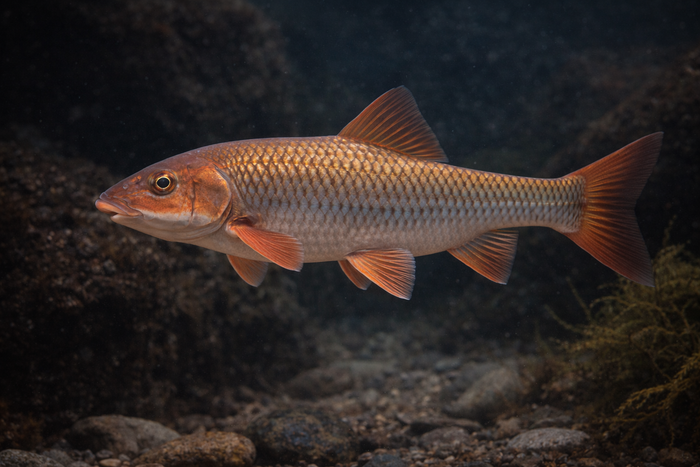
Shortfin Molly (Poecilia mexicana): The Small Fish with a Big Attitude and Even Bigger Adaptability
Meet the Shortfin Molly, Poecilia mexicana, a compact powerhouse in the livebearer family. This species doesn’t just swim around looking pretty; it’s a master of survival and adaptation. If you think all mollies are the same, think again. The Shortfin Molly brings a unique blend of resilience and personality to freshwater ecosystems, making it a fascinating subject for aquarists and ecologists alike. This guide dives deep into what sets this fish apart, where it thrives, and why it matters in the grand aquatic scheme.
What Makes the Shortfin Molly Unique?
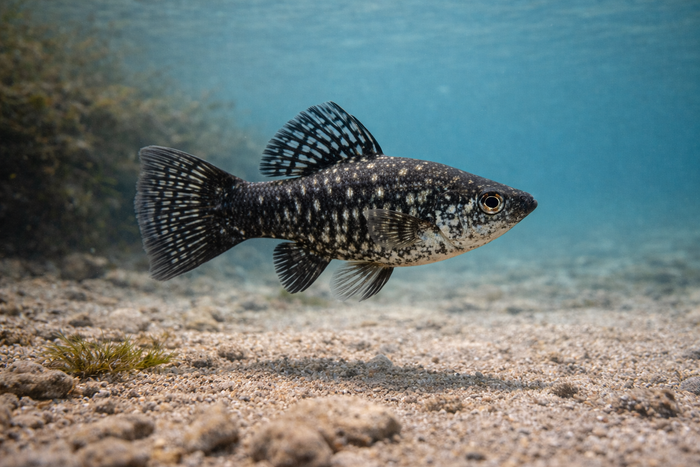
The Shortfin Molly is not your average molly. Its defining feature is, as the name suggests, a noticeably shorter dorsal fin compared to its cousins. But that’s just the start. This fish boasts an impressive tolerance for extreme environmental conditions, including varying salinity and even toxic hydrogen sulfide waters. It’s a survivor in habitats that would make most fish throw in the towel.
Sexual dimorphism is clear here: males sport a gonopodium, a modified anal fin used for reproduction, while females are rounder and larger-bodied. Coloration varies widely, from silvery hues to darker, almost black shades, sometimes with spots or subtle patterns. This variability isn’t just for show; it reflects the genetic diversity that helps the species adapt to different environments.
Habitat & Global Range
Shortfin Molly habitat is primarily concentrated in freshwater and brackish waters of Central America, especially in Mexico and parts of northern Central America. They are famously found in sulfidic springs and caves, environments rich in hydrogen sulfide—a compound lethal to most aquatic life. This ability to thrive in such harsh conditions is a testament to their evolutionary grit.
These fish inhabit rivers, streams, and coastal lagoons, often where freshwater meets saltwater. Their tolerance for salinity changes allows them to exploit niches that many other species avoid. This adaptability has helped them maintain stable populations despite environmental fluctuations.
Behavior & Temperament
Shortfin Mollies are active, social fish that prefer to hang out in groups. Their schooling behavior provides safety in numbers and helps them navigate their often challenging environments. They are generally peaceful but can show territorial tendencies, especially males during breeding seasons.
In captivity, they display curious and bold behavior, often exploring their surroundings with confidence. Their reproductive strategy is live-bearing, meaning females give birth to free-swimming young rather than laying eggs. This results in higher survival rates for offspring in unpredictable habitats.
Ecological Importance
The Shortfin Molly plays a crucial role in its ecosystem. As both predator and prey, it helps maintain the balance of aquatic food webs. They feed on algae, detritus, and small invertebrates, contributing to nutrient cycling and controlling algal growth.
Their presence in extreme environments also makes them important bioindicators. Scientists study them to understand how aquatic life adapts to pollution, salinity shifts, and toxic compounds. This research can inform conservation strategies for other species facing environmental stress.
Conservation & Environmental Pressures
Despite their resilience, Shortfin Mollies face threats from habitat destruction, pollution, and water diversion projects. Urbanization and agriculture have altered many of their native waterways, reducing available habitat and water quality. In some regions, invasive species compete with or prey upon them, adding pressure to local populations.
Climate change poses an additional risk by altering water temperature and chemistry, potentially pushing these fish beyond their adaptive limits. Conservation efforts focus on protecting critical habitats, monitoring populations, and maintaining water quality to ensure these hardy fish continue to thrive.
The FishyAF Take
The Shortfin Molly is a standout example of nature’s ability to adapt and endure. It’s not just another pretty fish in the tank; it’s a survivor with a story written in its genes. For aquarists, it offers a hardy, engaging species that brings both character and ecological intrigue to the aquarium. For scientists and conservationists, it’s a living laboratory for studying adaptation and resilience.
If you want to understand what it means to be truly adaptable in the fish world, look no further than the Shortfin Molly. Its boldness, both in behavior and habitat choice, makes it a species worth knowing and protecting. Shortfin Molly facts and habitat details reveal a fish that’s small in size but massive in ecological and evolutionary significance.