Mooneye (Hiodon tergisus): The Silver Flash That Lights Up North America’s Freshwaters
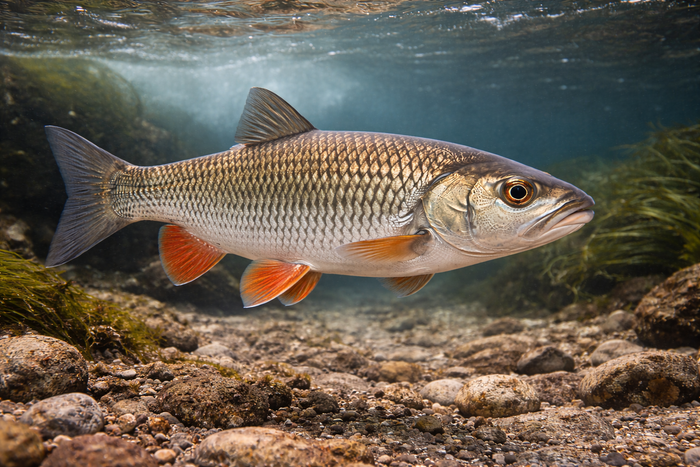
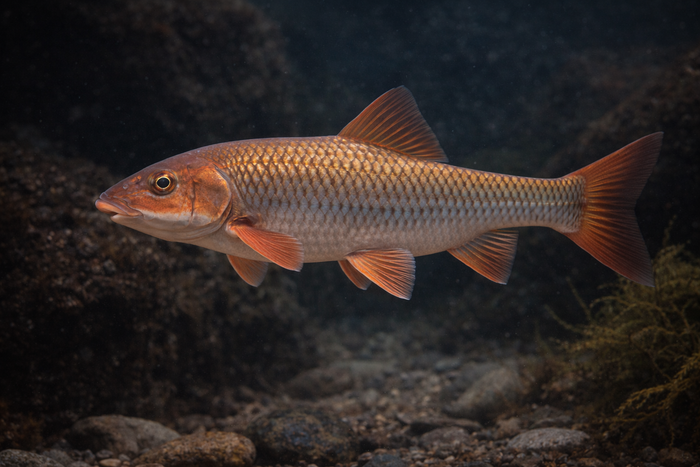
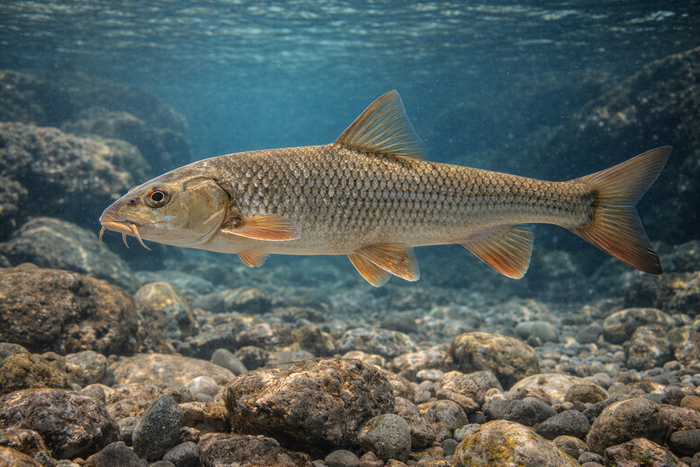
The Mooneye is one of those fish that slips under the radar but demands a second look. Sporting a sleek, silvery body and a distinctive large eye that seems to glow under the right light, this freshwater species is a master of subtlety and speed. Native to North America, the Mooneye has carved out a niche that combines impressive agility with a unique evolutionary history. If you’re diving into Mooneye facts, prepare to be surprised by a fish that’s more than just a pretty face in the water.
What Makes the Mooneye Unique?
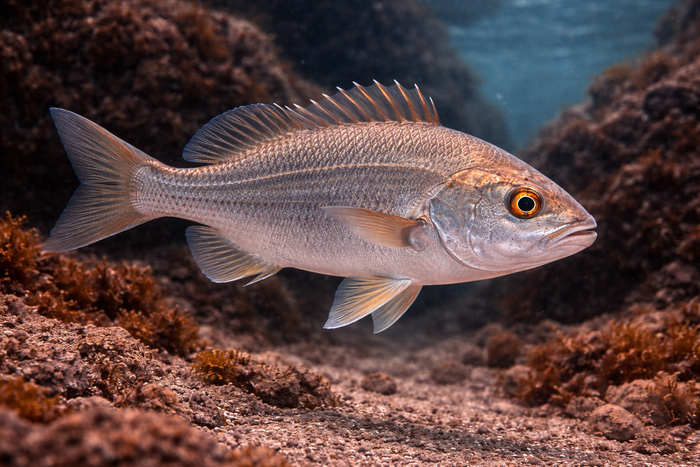
First off, the Mooneye’s most obvious feature is its oversized, reflective eye. This isn’t just for show. The large eye enhances its vision in low-light conditions, giving it a hunting edge during dawn, dusk, or murky water. Unlike many other fish, Mooneyes have a single dorsal fin placed far back on their body, which contributes to their streamlined, torpedo-like shape. This design isn’t accidental; it’s built for quick bursts of speed to snatch prey or evade predators.
Another standout trait is their evolutionary lineage. Mooneyes belong to the family Hiodontidae, which is considered a primitive group of ray-finned fish. Their anatomy and genetics place them as a living link between more ancient fish species and the modern bony fish. This makes them a fascinating subject for evolutionary biologists and anglers alike.
Habitat & Global Range
Mooneye habitat is primarily freshwater rivers and lakes across the central and eastern United States and parts of Canada. They favor clear, moderately flowing waters with sandy or gravel bottoms. You’ll find them in large river systems like the Mississippi, Ohio, and Great Lakes basins. While they prefer clean water, Mooneyes are surprisingly adaptable and can tolerate a range of conditions, though they shy away from heavily polluted or stagnant environments.
Their distribution is patchy but widespread, making them a common sight in many midwestern and eastern waterways. Seasonal movements are typical, with Mooneyes migrating upstream during spawning season to gravelly shoals, where they lay eggs in fast-flowing water.
Behavior & Temperament
Mooneyes are primarily crepuscular, meaning they’re most active during twilight hours. This behavior aligns perfectly with their enhanced vision, allowing them to hunt small fish, insects, and crustaceans when competition and predation risks are lower. They’re schooling fish, often found in groups that can range from a handful to several dozen individuals.
Despite their schooling nature, Mooneyes are not aggressive. They’re more likely to dart away than confront threats. Their speed and agility are their best defense. When feeding, they exhibit quick, precise strikes rather than slow stalking. This makes them a challenge for anglers who want to catch them on artificial lures or flies.
Ecological Importance
Mooneyes play a critical role in freshwater ecosystems. As mid-level predators, they help control populations of smaller fish and aquatic invertebrates, maintaining a balanced food web. Their presence indicates relatively healthy water conditions, as they require decent oxygen levels and clean substrates for spawning.
They also serve as prey for larger predatory fish, birds, and mammals, making them a vital link in the aquatic food chain. Their spawning migrations contribute to nutrient cycling, as they transport energy upstream and provide food for scavengers when eggs and juveniles are consumed.
Conservation & Environmental Pressures
While Mooneyes are not currently listed as endangered, their populations face threats from habitat degradation. Pollution, dam construction, and sedimentation disrupt their spawning grounds and reduce water quality. Urbanization and agricultural runoff introduce chemicals and nutrients that can lead to algal blooms, which suffocate eggs and reduce oxygen levels.
Dams and other barriers fragment their habitat, blocking access to traditional spawning sites. This isolation can reduce genetic diversity and population resilience. Conservation efforts focus on protecting river connectivity, improving water quality, and monitoring populations to ensure they remain stable.
The FishyAF Take
The Mooneye is a fish that deserves more attention than it gets. It’s a sleek, efficient predator with evolutionary roots that tell a story of survival and adaptation. Its large, luminous eyes are not just a quirky feature but a finely tuned tool for life in dim waters. Anglers looking for a fresh challenge will appreciate the Mooneye’s speed and elusive nature, while conservationists see it as a bellwether for freshwater ecosystem health.
Understanding Mooneye habitat and behavior is crucial for protecting this species and the waterways it inhabits. The Mooneye isn’t flashy like a bass or a trout, but its subtle brilliance and ecological role make it a cornerstone of North America’s freshwater biodiversity. Keep an eye out for this silver flash next time you’re near a river or lake—it’s a reminder that sometimes the most interesting fish are the ones that don’t scream for attention.