Shorthead Redhorse (Moxostoma macrolepidotum): The Underrated Bottom-Feeder That Commands Respect
The Shorthead Redhorse is not your average river dweller. With a name that sounds like it belongs to a Wild West outlaw, this fish is a sturdy, no-nonsense member of the sucker family. Often overlooked by casual anglers, the Shorthead Redhorse boasts a striking appearance and a vital role in freshwater ecosystems. If you want to add some serious cred to your fish knowledge, understanding this species is a solid move.
What Makes the Shorthead Redhorse Unique?
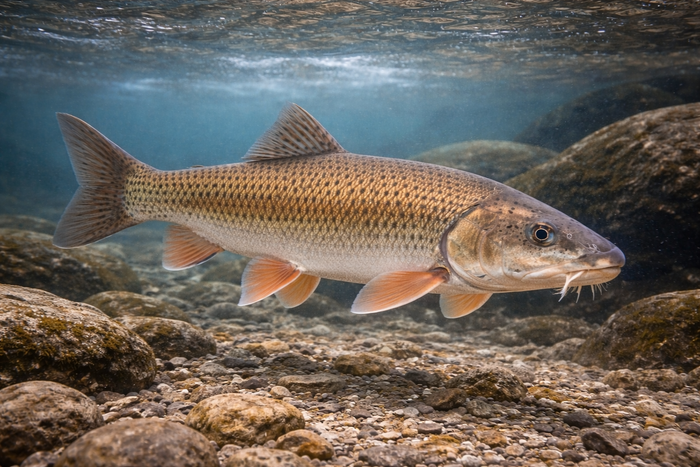
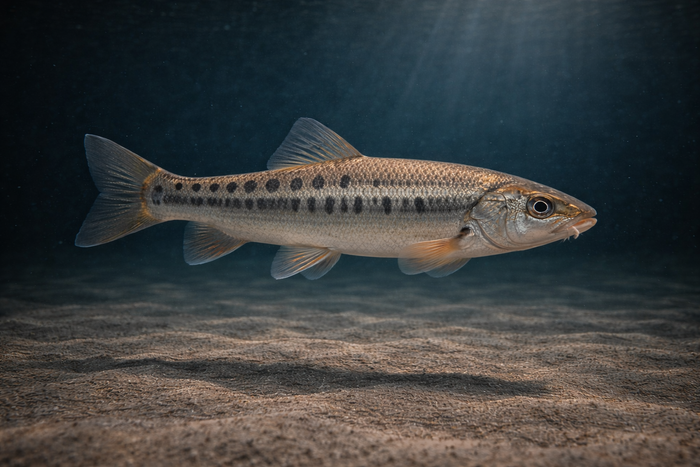
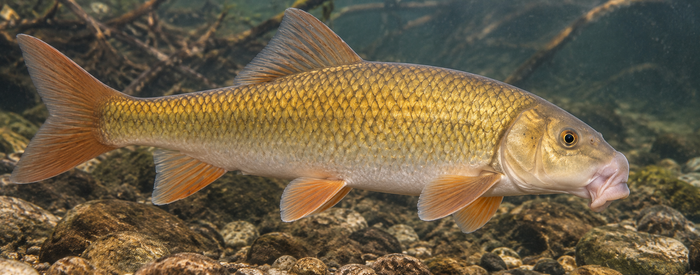
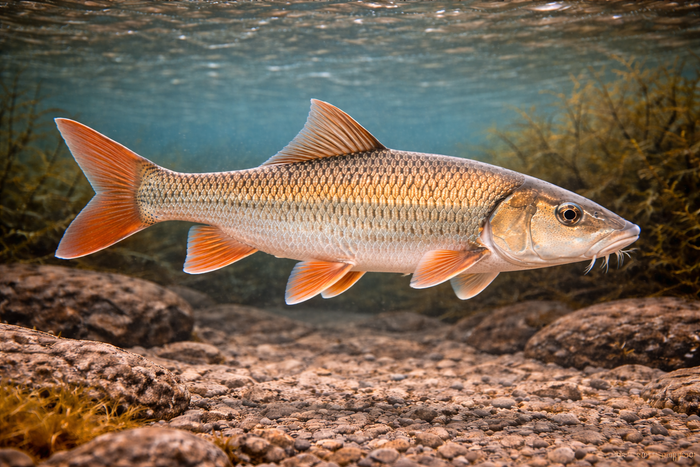
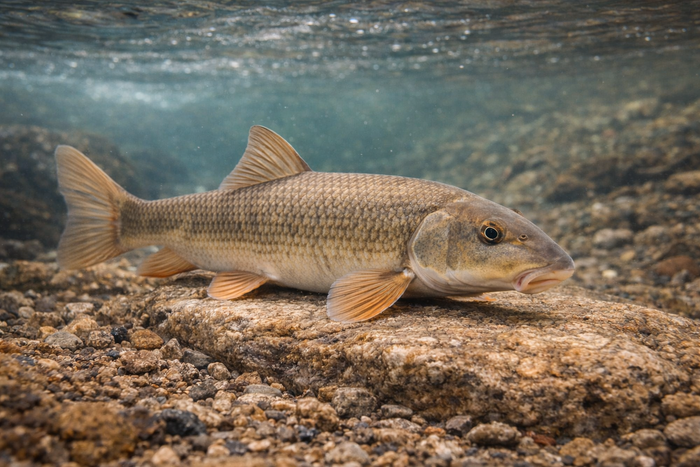
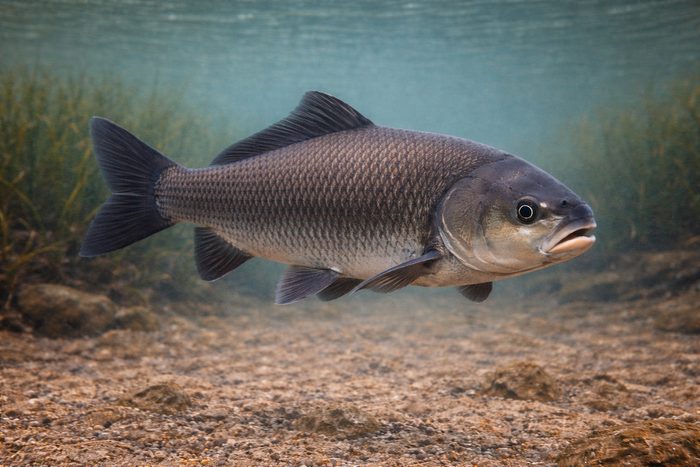
The Shorthead Redhorse stands out with its robust body, thick scales, and a distinctive, blunt head that’s noticeably shorter than its close relatives. Its reddish fins give it a splash of color that’s hard to miss, especially the bright red tail fin that earned it the “redhorse” moniker. Unlike flashy game fish, this species thrives on the bottom, using its sucker-like mouth to forage through sediment for invertebrates and organic matter.
One of the most interesting Shorthead Redhorse facts is its adaptability. It can handle a range of water conditions, from clear, fast-flowing streams to murkier, slower rivers. This versatility makes it a resilient species, capable of surviving in habitats where more sensitive fish might struggle.
Habitat & Global Range
Shorthead Redhorse habitat spans a broad swath of North America. You’ll find them in the central and eastern United States and parts of southern Canada. Their preferred environments are medium to large rivers with moderate to swift currents and gravel or sandy bottoms. They also inhabit reservoirs and lakes, showing a surprising tolerance for different freshwater systems.
These fish are bottom dwellers, often sticking close to the substrate where they can root around for food. The gravel and sand beds are essential for their spawning, as they scatter eggs in these areas during the spring. The quality of their habitat directly affects their population health, making clean, well-oxygenated waters a must.
Behavior & Temperament
Shorthead Redhorse are bottom feeders with a methodical approach to life. They spend most of their time grazing along riverbeds, sifting through sediment for insect larvae, small crustaceans, and detritus. Their sucker-like mouths are perfectly designed for this task, allowing them to scrape and vacuum up food efficiently.
These fish are generally non-aggressive and tend to avoid confrontation. They’re not the type to chase after prey or other fish aggressively. Instead, they rely on their strong swimming ability to navigate currents and escape predators. During spawning season, males become more territorial, but outside of that, they keep a low profile.
Ecological Importance
Don’t let their humble feeding habits fool you. Shorthead Redhorse play a crucial role in freshwater ecosystems. By stirring up the riverbed while feeding, they help oxygenate the sediment and recycle nutrients. This activity supports the health of benthic invertebrates, which in turn sustains a broader food web.
They also serve as prey for larger predatory fish like bass and pike, linking lower and higher trophic levels. Their presence indicates a relatively healthy aquatic environment, as they require decent water quality and habitat conditions to thrive. In short, they’re both ecosystem engineers and a vital food source.
Conservation & Environmental Pressures
Despite their hardiness, Shorthead Redhorse face several environmental pressures. Habitat degradation from dam construction, pollution, and sedimentation can reduce the quality of their spawning grounds and feeding areas. Urban runoff and agricultural chemicals also threaten water quality, impacting their survival rates.
While not currently listed as endangered, localized population declines have been reported in areas with significant habitat disruption. Conservation efforts focus on maintaining river connectivity, improving water quality, and protecting critical habitats. Monitoring Shorthead Redhorse populations can provide early warnings about ecosystem health, making them a valuable species for conservationists.
The FishyAF Take
The Shorthead Redhorse deserves more respect than it usually gets. It’s a tough, adaptable fish that quietly supports freshwater ecosystems while flying under the radar of most anglers. If you’re serious about understanding river systems or want to diversify your fishing knowledge, this species is a must-know.
Its unique morphology, ecological role, and resilience make it a fascinating subject for anyone interested in freshwater biology. Next time you’re by a river or lake, keep an eye out for this underrated bottom-feeder. The Shorthead Redhorse isn’t flashy, but it’s a cornerstone of its aquatic world—and that’s something worth appreciating.