Mexican Mojarra (Eugerres mexicanus): The Silver-Sided Survivor of Coastal Waters
The Mexican Mojarra, scientifically known as Eugerres mexicanus, is a standout member of the mojarras family, known for its sleek silver body and sharp adaptability. This fish isn’t just another silvery face in the crowd; it’s a resilient species that thrives in the brackish and coastal waters of Mexico and Central America. Whether you’re a seasoned angler, an aquarist, or just a curious fish enthusiast, understanding the Mexican Mojarra offers insight into a species that balances survival with ecological finesse.
What Makes the Mexican Mojarra Unique?
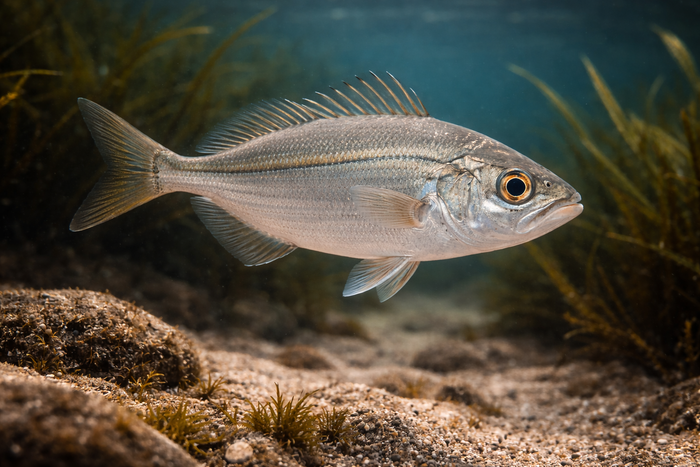
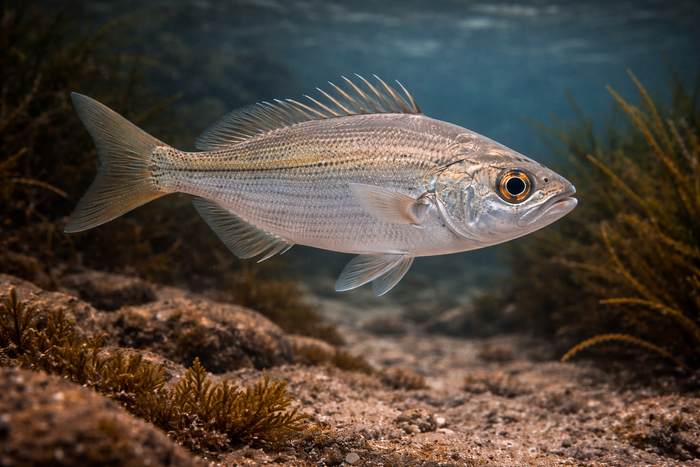
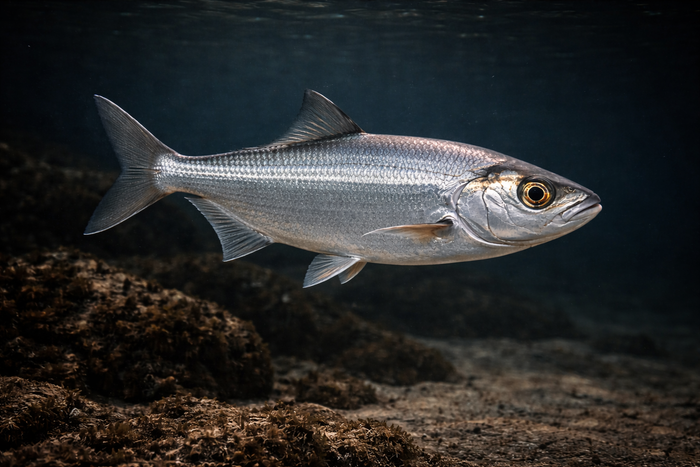
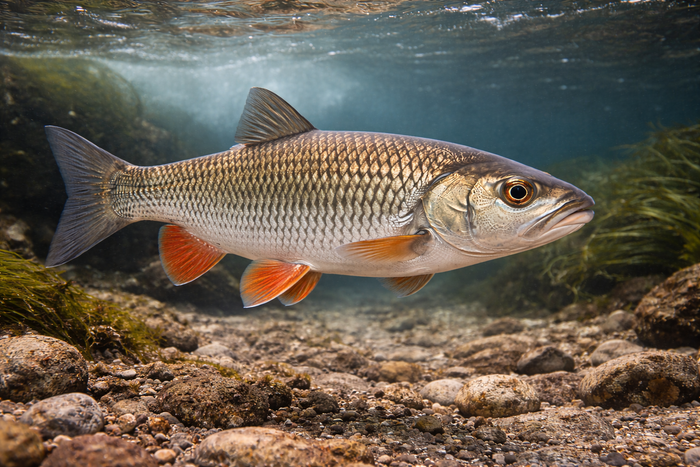
The Mexican Mojarra is not your average coastal fish. Its body shape is laterally compressed, which gives it a streamlined profile perfect for quick, agile movements in murky waters. Unlike many fish that stick to either freshwater or saltwater, the Mexican Mojarra is a brackish water specialist, comfortably navigating estuaries where fresh and saltwater mix. This adaptability is a key survival trait.
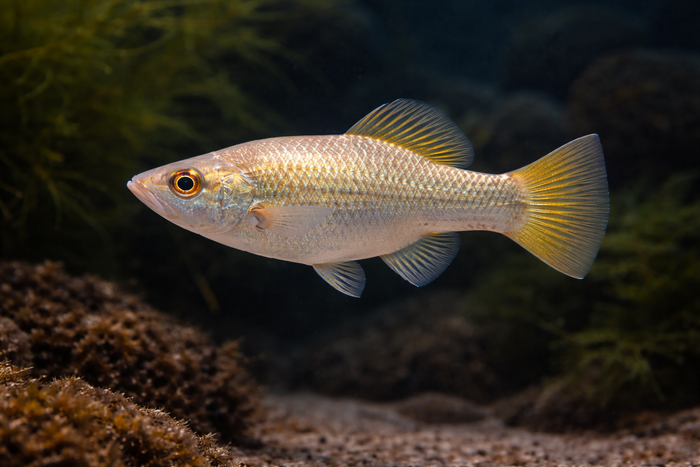
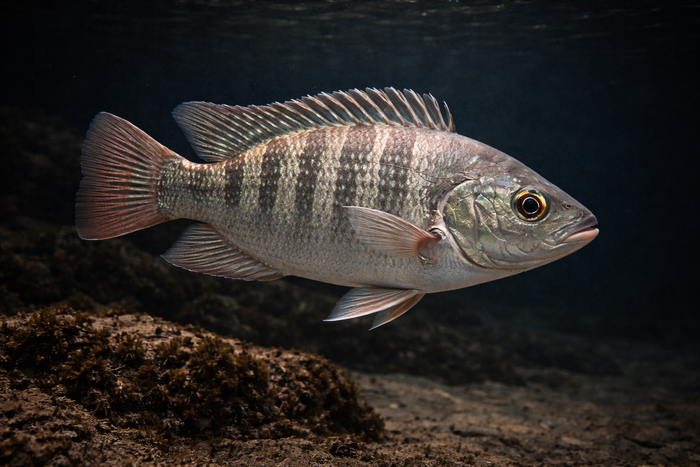
Its mouth is slightly protruding and equipped for bottom feeding, allowing it to sift through sediment for small invertebrates, detritus, and organic matter. This feeding strategy sets it apart from many other coastal fish that rely on chasing prey. The Mexican Mojarra’s coloration—silvery with subtle hints of gold and green—provides camouflage against sandy and muddy bottoms, making it a stealthy forager.
Habitat & Global Range
The Mexican Mojarra’s habitat is a study in versatility. It primarily inhabits coastal lagoons, estuaries, and river mouths along the Pacific coast of Mexico, extending into parts of Central America. Its presence in brackish waters means it thrives where freshwater rivers meet the ocean, environments that are often nutrient-rich but challenging due to fluctuating salinity.
This species is well-adapted to the dynamic Mexican Mojarra habitat, tolerating changes in temperature, salinity, and oxygen levels that would stress less hardy fish. It prefers shallow waters with sandy or muddy bottoms, where it can easily forage and avoid predators. The Mexican Mojarra’s range is not global but focused, making it a key species in the coastal ecosystems of its native region.
Behavior & Temperament
The Mexican Mojarra is a bottom feeder with a calm but alert temperament. It spends much of its time sifting through sediment, using its specialized mouth to extract food. This behavior is methodical rather than frantic, reflecting a fish that knows when to conserve energy and when to strike.
Socially, Mexican Mojarras are often found in small groups, which provides safety in numbers without the chaos of large schools. They are not aggressive but will defend their territory if necessary, especially during breeding seasons. Their reproductive behavior involves laying eggs in protected shallow areas, where the young can grow with some shelter from predators.
Ecological Importance
The Mexican Mojarra plays a crucial role in its ecosystem. By feeding on benthic invertebrates and organic detritus, it helps recycle nutrients and maintain sediment health. This activity supports the overall productivity of estuarine environments, which are vital nurseries for many marine species.
Additionally, the Mexican Mojarra serves as prey for larger fish, birds, and other predators, making it an integral link in the coastal food web. Its presence indicates a healthy estuarine system, as it requires a balanced environment to thrive. In short, the Mexican Mojarra is both a recycler and a resource, underpinning the ecological stability of its habitat.
Conservation & Environmental Pressures
Despite its adaptability, the Mexican Mojarra faces threats from habitat degradation. Coastal development, pollution, and changes in freshwater inflow due to damming and water extraction disrupt the delicate balance of its brackish habitat. Sedimentation changes and chemical runoff can reduce water quality, impacting the fish’s ability to feed and reproduce effectively.
Climate change adds another layer of pressure, with rising temperatures and altered rainfall patterns affecting estuarine salinity and oxygen levels. While the Mexican Mojarra is not currently listed as endangered, localized population declines have been reported, signaling the need for monitoring and habitat protection.
Efforts to conserve Mexican Mojarra habitat focus on preserving estuarine environments, controlling pollution, and maintaining natural freshwater flows. Protecting these areas benefits not only the Mojarra but the entire coastal ecosystem that depends on healthy, functioning estuaries.
The FishyAF Take
The Mexican Mojarra is a prime example of evolutionary finesse—built to thrive where freshwater meets saltwater, a place many fish avoid. Its adaptability, ecological role, and understated beauty make it a species worth knowing beyond the basics. For anglers, it offers a modest challenge; for conservationists, a vital indicator; and for fish lovers, a reminder that survival often depends on mastering the margins.
If you want to understand the pulse of Mexico’s coastal waters, start with the Mexican Mojarra. It’s a fish that doesn’t just survive the tides—it thrives in the shifting currents of change. Keep an eye on this species because it tells a bigger story about the health of our coastal ecosystems and the impact of human activity on these fragile zones. Mexican Mojarra facts and habitat details are more than trivia—they’re a call to respect and protect the watery margins where life is most dynamic.