Tidewater Mojarra (Eucinostomus harengulus): The Coastal Scavenger That Keeps Estuaries in Check
The Tidewater Mojarra, scientifically known as Eucinostomus harengulus, is a small but mighty player in coastal ecosystems. This fish might not be a trophy catch, but its role in estuarine and nearshore environments is far from minor. If you’re diving into Tidewater Mojarra facts, prepare to meet a species that’s as adaptable as it is essential, thriving where freshwater meets saltwater and keeping the balance in check.
What Makes the Tidewater Mojarra Unique?
The Tidewater Mojarra stands out for its specialized feeding habits and remarkable adaptability. Unlike many fish that chase prey, this species is a bottom feeder, using its protrusible mouth to sift through sediment for detritus, small invertebrates, and organic matter. This feeding strategy not only sustains the Mojarra but also helps recycle nutrients in its environment.
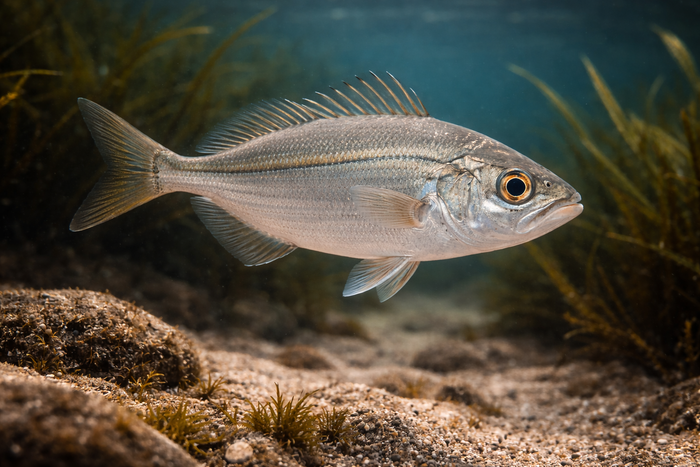
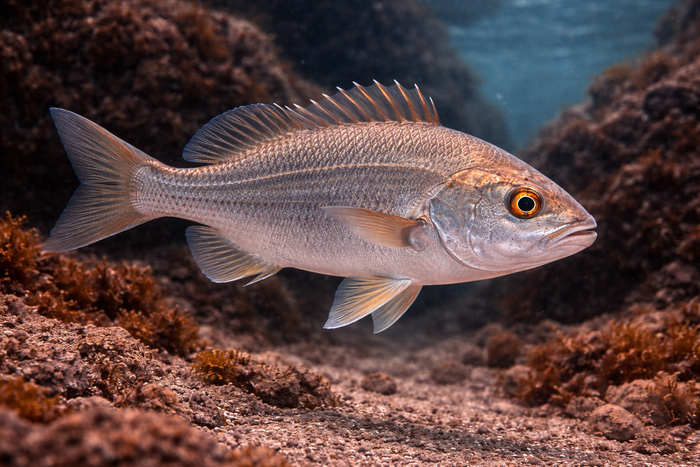
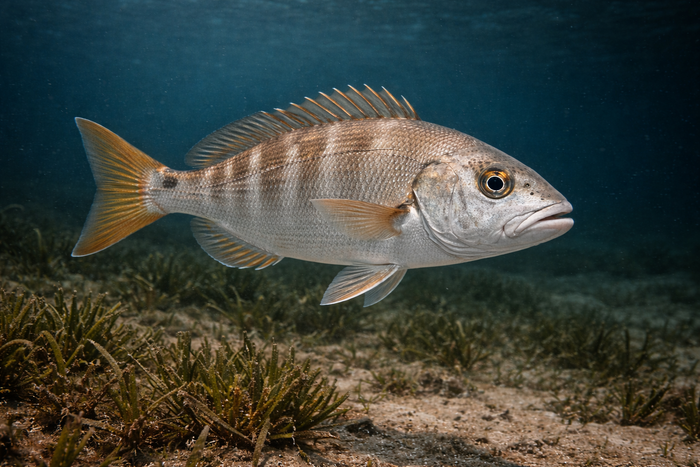
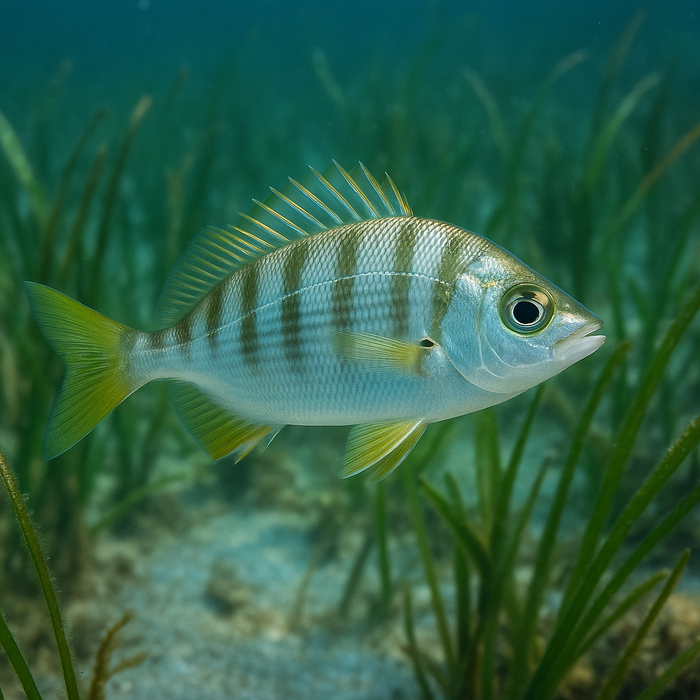
Its body is streamlined and silvery, often sporting a subtle sheen that camouflages it against sandy or muddy bottoms. The Mojarra’s large eyes and quick reflexes make it a savvy forager and a tricky target for predators. Its ability to tolerate varying salinity levels is another unique trait, allowing it to inhabit brackish waters where few competitors can thrive.
Habitat & Global Range
Tidewater Mojarra habitat spans the western Atlantic coastline, from the southeastern United States down through the Caribbean and into parts of Central and South America. These fish prefer shallow coastal waters, especially estuaries, tidal creeks, and lagoons where saltwater mixes with freshwater.
They are often found in sandy or muddy substrates, where their feeding technique is most effective. The dynamic nature of these habitats—fluctuating salinity, temperature, and water clarity—means the Tidewater Mojarra must be resilient and adaptable. This fish is a true estuarine specialist, thriving in environments that many species find challenging.
Behavior & Temperament
Tidewater Mojarras are schooling fish, often seen in groups that provide safety in numbers. Their behavior is largely driven by feeding and avoiding predators. They spend much of their time near the bottom, sifting through sediment with rapid, precise mouth movements.
Despite their small size, they are bold foragers, unafraid to venture into open water briefly but always quick to dart back to cover. Their schooling behavior isn’t just about defense; it also increases feeding efficiency and helps them detect threats early.
In terms of temperament, they are not aggressive. They coexist peacefully with other species, making them a stable component of the estuarine community. Their presence signals a healthy, functioning ecosystem.
Ecological Importance
The Tidewater Mojarra plays a crucial role in nutrient cycling and energy flow within coastal ecosystems. By feeding on detritus and small invertebrates, they help break down organic material, facilitating decomposition and nutrient release back into the environment.
This process supports primary producers like seagrasses and algae, which form the base of the food web. Additionally, Mojarras serve as prey for larger fish, birds, and marine mammals, linking lower and higher trophic levels.
Their sediment-sifting behavior also aerates the substrate, promoting healthy benthic habitats. In essence, the Tidewater Mojarra is a keystone species in estuarine environments, maintaining the delicate balance that supports diverse marine life.
Conservation & Environmental Pressures
While not currently listed as endangered, the Tidewater Mojarra faces several environmental pressures that could impact its populations. Habitat degradation from coastal development, pollution, and sedimentation threatens the estuaries and tidal creeks they call home.
Changes in freshwater inflow due to damming and water extraction alter salinity regimes, stressing Mojarra populations adapted to specific brackish conditions. Climate change adds another layer of complexity, with rising temperatures and sea levels affecting habitat availability and water quality.
Conservation efforts focused on protecting estuarine habitats and maintaining water quality are essential for the Tidewater Mojarra’s future. Monitoring populations and understanding their responses to environmental changes will help ensure this species continues to thrive.
The FishyAF Take
The Tidewater Mojarra might not be flashy, but it’s a powerhouse of ecological function. Its ability to thrive in challenging estuarine habitats, combined with its role in nutrient cycling and food webs, makes it a species worth paying attention to. For anglers and conservationists alike, understanding Tidewater Mojarra facts is a reminder that sometimes the smallest fish have the biggest impact.
If you’re interested in coastal ecosystems or estuarine dynamics, the Tidewater Mojarra is a prime example of nature’s subtle complexity. It’s a species that quietly keeps the gears turning beneath the surface, proving that ecological importance isn’t always about size or spectacle. Keep an eye out for this resilient little fish next time you’re near a tidal creek or estuary—it’s working harder than you think.