Silver Jenny Mojarra (Eucinostomus gula): The Shimmering Scout of Coastal Waters
The Silver Jenny Mojarra, scientifically known as Eucinostomus gula, is a small but striking fish that commands attention with its sleek, silvery body and sharp, darting movements. Found in tropical and subtropical coastal waters, this species is more than just a shiny face in the crowd. It plays a crucial role in its ecosystem while boasting behaviors and adaptations that set it apart from the average baitfish. If you’re diving into Silver Jenny Mojarra facts, prepare for a deep swim into the life of a fish that’s as fascinating as it is functional.
What Makes the Silver Jenny Mojarra Unique?
The Silver Jenny Mojarra stands out primarily for its distinctive body shape and feeding habits. Unlike many silvery fish that rely solely on speed or camouflage, this species combines a streamlined form with a specialized mouth structure designed for bottom feeding. Its protrusible jaw allows it to sift through sediment and pick out small invertebrates with precision. This is no random scavenger; it’s a skilled forager.
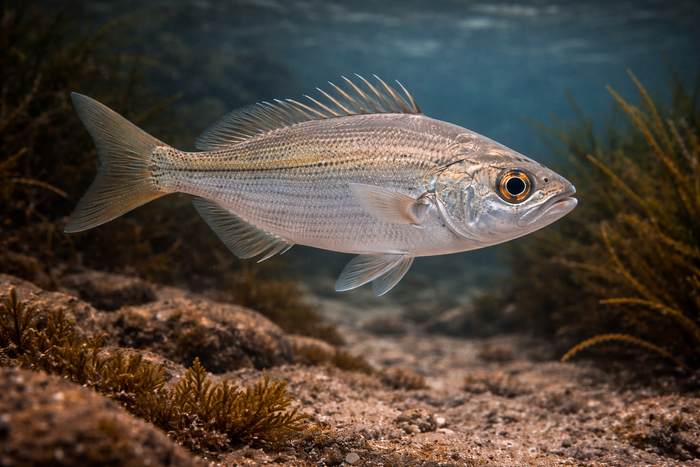
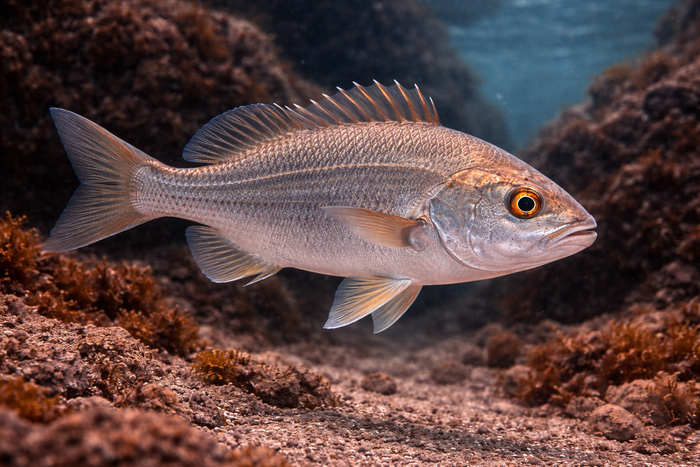
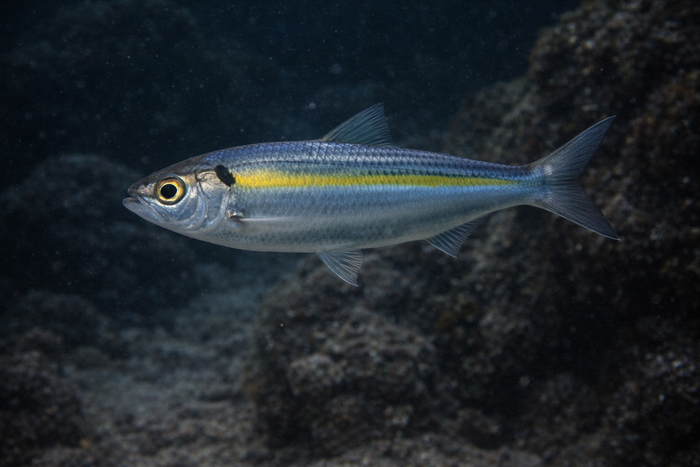
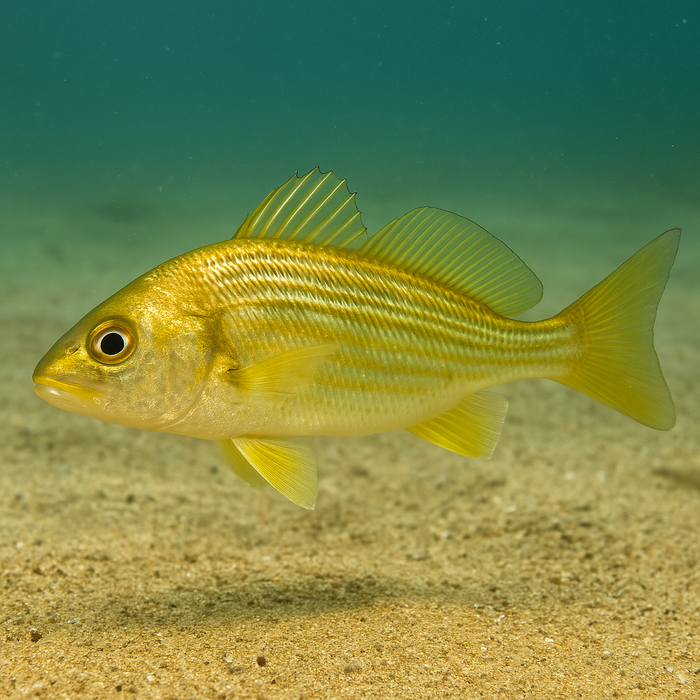
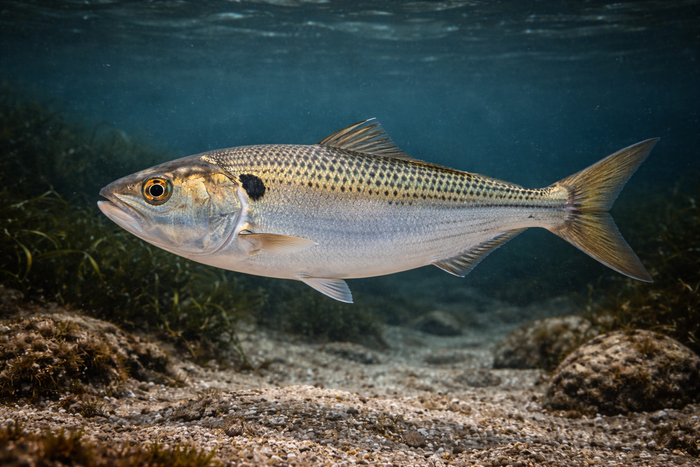
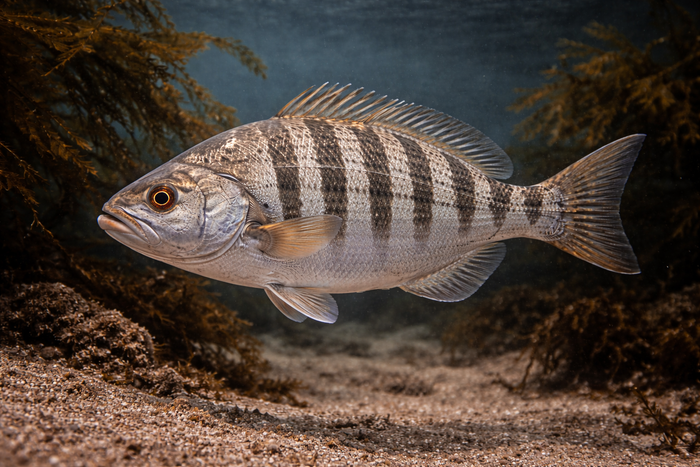
Visually, the Silver Jenny Mojarra sports a reflective, almost metallic sheen that helps it blend into the shimmering water column, confusing predators and prey alike. Its large eyes are adapted for spotting movement in murky coastal environments. These features make it a master of survival in habitats where visibility and quick reactions mean the difference between life and becoming someone else’s lunch.
Habitat & Global Range
The Silver Jenny Mojarra inhabits shallow coastal waters, estuaries, and lagoons primarily in the western Atlantic Ocean. Its range stretches from the southeastern United States down through the Caribbean and along the northern coast of South America. This fish is a true coastal dweller, thriving in brackish waters where freshwater meets the sea.
Silver Jenny Mojarra habitat preferences include sandy or muddy bottoms where it can use its specialized feeding technique to great effect. It often congregates in schools near mangroves and seagrass beds, areas rich in the small crustaceans and worms it feeds on. These environments provide both abundant food and shelter from larger predators.
Behavior & Temperament
Silver Jenny Mojarras are social fish, frequently forming large schools that move in synchrony. This schooling behavior is a survival strategy, confusing predators and increasing the chances of spotting threats early. Despite their small size, they are bold and quick, darting away with lightning reflexes when danger approaches.
Their feeding behavior is methodical and efficient. They hover close to the substrate, using their protrusible jaws to vacuum up tiny invertebrates buried in the sand or mud. This bottom-feeding habit contrasts with many other schooling fish that feed primarily in the water column.
Temperament-wise, they are not aggressive. Their interactions within schools are cooperative rather than competitive, focusing on maximizing feeding success and minimizing risk. For aquarists interested in small schooling fish, the Silver Jenny Mojarra offers a glimpse into complex social dynamics without the drama of territorial disputes.
Ecological Importance
The Silver Jenny Mojarra plays a pivotal role in coastal ecosystems. By feeding on benthic invertebrates, it helps regulate populations of small crustaceans and worms, maintaining a balance that supports healthy sediment turnover and nutrient cycling. This activity contributes to the overall productivity of estuarine environments.
Additionally, Silver Jenny Mojarras serve as a vital food source for larger predatory fish, birds, and marine mammals. Their schooling behavior and abundance make them a key link in the coastal food web, transferring energy from lower trophic levels up to apex predators.
Their presence in mangrove and seagrass habitats also indirectly supports these critical ecosystems. By controlling invertebrate populations, they help maintain the health of the substrate, which in turn supports plant growth and the diverse marine life that depends on these habitats.
Conservation & Environmental Pressures
While the Silver Jenny Mojarra is not currently listed as endangered, it faces threats common to many coastal species. Habitat degradation from coastal development, pollution, and sedimentation can disrupt the delicate balance of estuarine environments where they thrive. Mangrove deforestation and seagrass bed destruction remove essential shelter and feeding grounds.
Climate change adds another layer of pressure. Rising sea temperatures and altered salinity patterns can affect their distribution and reproductive success. Overfishing is not a direct threat since they are not a primary target species, but bycatch and habitat disturbance from fishing activities can impact local populations.
Conservation efforts aimed at protecting coastal habitats, such as mangrove restoration and water quality improvement, benefit the Silver Jenny Mojarra along with countless other species. Monitoring their populations can also serve as an indicator of estuarine ecosystem health.
The FishyAF Take
The Silver Jenny Mojarra is a prime example of how even the smallest fish can pack a punch in ecological importance and evolutionary savvy. Its unique feeding adaptations, social schooling behavior, and shimmering appearance make it a standout species in coastal waters. For anyone interested in Silver Jenny Mojarra facts, understanding this fish offers insight into the complex interplay of form, function, and environment.
If you’re tracking coastal ecosystem health or just want to appreciate the subtle brilliance of marine life, keep an eye out for this silvery scout. It’s a reminder that survival in the ocean isn’t just about size or speed—it’s about mastering your niche with style and efficiency. The Silver Jenny Mojarra doesn’t just swim through its habitat; it shapes it. And that’s a lesson worth knowing.