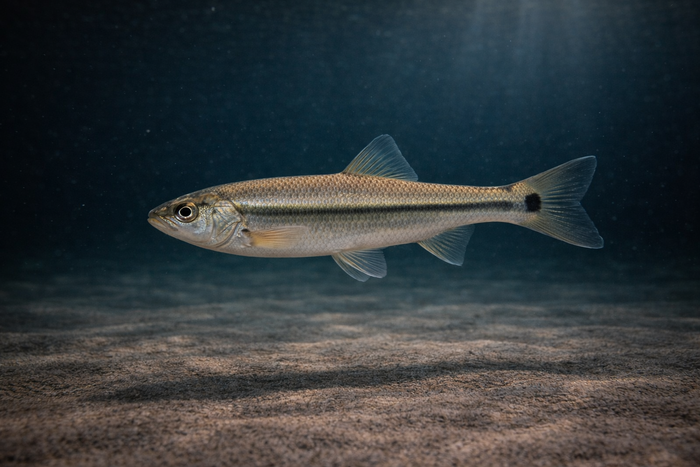
Oriental Weatherfish (Misgurnus anguillicaudatus): The Mud-Dwelling Mood Ring of Freshwater
Meet the Oriental Weatherfish, a slippery little eel-like freshwater fish that’s been turning heads and stirring up muddy waters for centuries. Known scientifically as Misgurnus anguillicaudatus, this species isn’t just another bottom dweller. It’s a master of environmental sensing, a survivor with a quirky personality, and a fish that’s quietly reshaped aquatic ecosystems far beyond its native turf. If you want to understand a fish that’s part weather forecaster, part ecosystem engineer, and all-around fascinating, the Oriental Weatherfish deserves your attention.
What Makes the Oriental Weatherfish Unique?
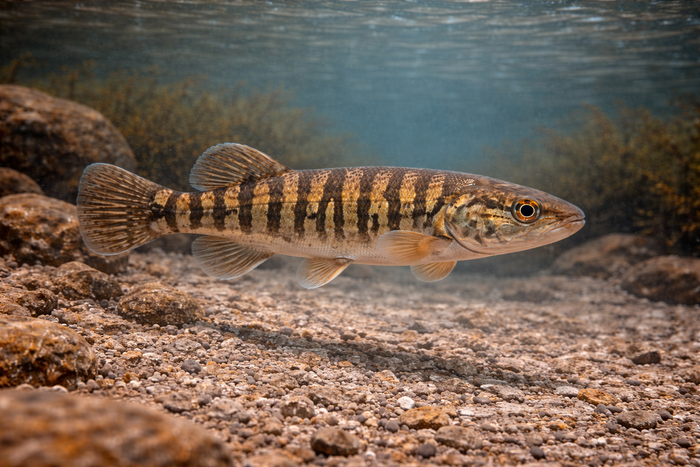
The Oriental Weatherfish is no ordinary fish. Its elongated, eel-like body is covered in tiny scales, and it sports a mouth surrounded by barbels—think of them as built-in sensory antennae. These barbels help it navigate murky waters where visibility is zero. But here’s the kicker: this fish can detect changes in atmospheric pressure and water conditions, effectively predicting weather shifts. Hence the nickname “weatherfish.” This ability isn’t just a party trick; it’s a survival tool that helps it avoid storms and unfavorable conditions.
Another standout feature is its ability to breathe atmospheric oxygen. When oxygen levels in the water drop, the Oriental Weatherfish can gulp air from the surface, allowing it to survive in environments that would suffocate most other fish. This adaptability makes it a champion of low-oxygen habitats like stagnant ponds, rice paddies, and slow-moving streams.
Habitat & Global Range
Originally, the Oriental Weatherfish hails from East Asia—China, Korea, Japan, and parts of Russia. Its natural Oriental Weatherfish habitat includes muddy, slow-flowing freshwater bodies with plenty of vegetation and soft substrates. These fish love to burrow into the mud, often hiding during the day and becoming more active at night.
But don’t be fooled into thinking this fish is confined to its native range. Thanks to human introduction—both accidental and intentional—it has established populations across Europe, North America, and other parts of Asia. In some places, it’s considered invasive, outcompeting native species and altering local ecosystems. Its ability to survive in harsh conditions and reproduce prolifically makes it a formidable colonizer.
Behavior & Temperament
The Oriental Weatherfish is a nocturnal scavenger and forager. It spends much of its time rooting around in the substrate, searching for worms, insect larvae, and detritus. Its barbels are essential for this tactile hunting style, compensating for poor eyesight.
Temperament-wise, this fish is relatively peaceful but can be territorial with its own kind, especially in confined spaces. It’s not a flashy swimmer or a social butterfly, but it’s fascinating to watch as it wriggles through the mud and vegetation with purpose. In captivity, it can be shy at first but becomes more active once acclimated.
Ecological Importance
This fish plays a critical role in its ecosystem. By burrowing and stirring up the sediment, it helps oxygenate the substrate and recycle nutrients, promoting healthier aquatic plant growth. Its scavenging habits also contribute to breaking down organic matter, keeping the ecosystem clean.
However, its introduction outside native ranges complicates this picture. In non-native habitats, the Oriental Weatherfish can disrupt local food webs by preying on native invertebrates and competing with indigenous bottom feeders. This ecological impact makes it a species of concern in many regions.
Conservation & Environmental Pressures
In its native range, the Oriental Weatherfish faces threats from habitat degradation, pollution, and overfishing. Wetland drainage and water pollution reduce suitable habitats, while agricultural runoff can alter water chemistry, stressing populations.
Conversely, in introduced areas, it’s often the invader rather than the victim. Management efforts focus on controlling its spread to protect native biodiversity. Balancing conservation in its homeland with control elsewhere is a tricky dance.
The FishyAF Take
The Oriental Weatherfish is a masterclass in adaptability and subtle ecological influence. It’s not flashy or charismatic, but it commands respect for its survival toolkit and environmental sensitivity. This fish embodies the idea that sometimes the most interesting creatures are the ones quietly shaping their world from the muddy bottom.
If you’re into freshwater species that defy the usual fish stereotypes, the Oriental Weatherfish is your go-to. It’s a living weather station, a mud-dwelling recycler, and a survivor with attitude. Whether you’re a hobbyist, ecologist, or just a curious observer, understanding this fish adds a layer of depth to freshwater ecosystems that’s hard to ignore.
Oriental Weatherfish facts and Oriental Weatherfish habitat details reveal a species that’s both a guardian and a disruptor, depending on where it swims. Keep an eye on this slippery character—it’s more than just a fish; it’s a freshwater legend in its own right.