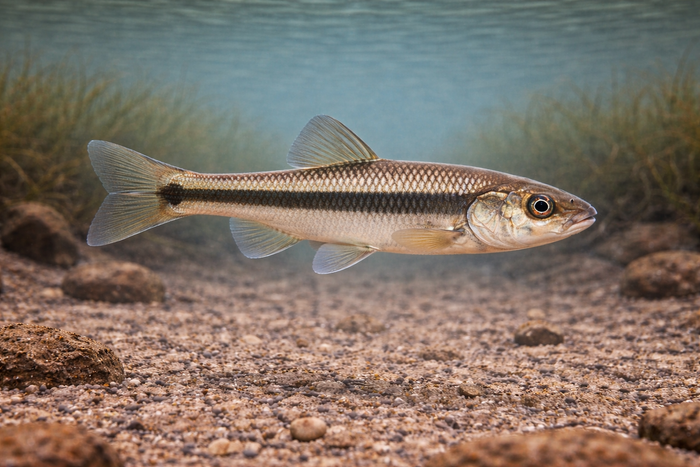
Central Mudminnow (Umbra limi): The Underdog That Thrives Where Others Flounder
The Central Mudminnow is not your average freshwater fish. Small, unassuming, and often overlooked, this species punches well above its weight in resilience and ecological impact. Known scientifically as Umbra limi, it’s a master of survival in some of the toughest aquatic environments in North America. If you think minnows are just bait fodder, think again. The Central Mudminnow is a fascinating subject with plenty of surprises packed into its modest frame.
What Makes the Central Mudminnow Unique?
Central Mudminnows are built for endurance. Unlike many fish that require pristine water conditions, this species thrives in low-oxygen, murky waters where others would suffocate or starve. Their secret weapon? A specialized ability to gulp air from the surface and extract oxygen through their skin and lining of the mouth. This adaptation lets them survive in stagnant swamps, muddy ponds, and sluggish streams that are inhospitable to most fish.
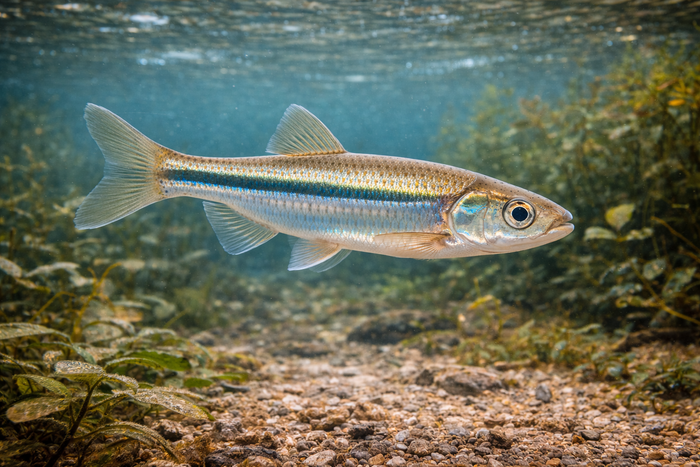
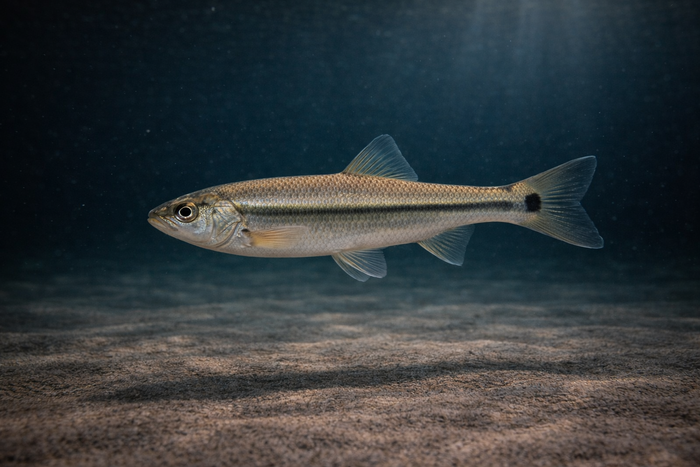
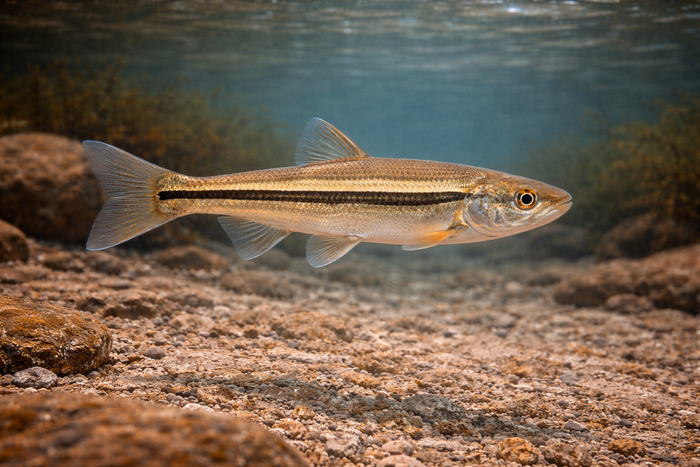
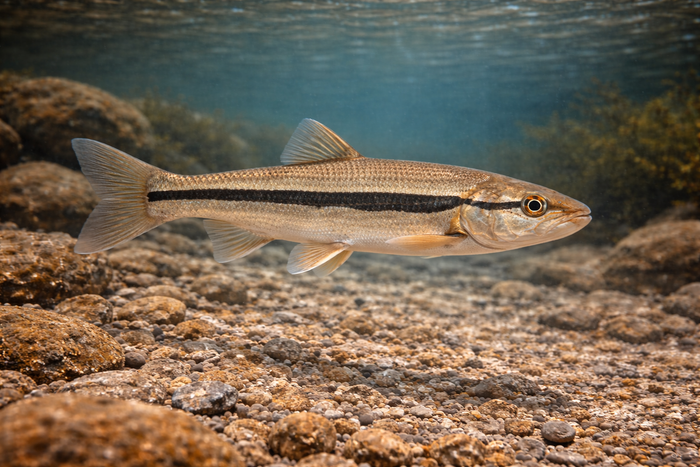
Physically, they sport a stout, cylindrical body with a rounded snout and a mottled brownish-green coloration that blends perfectly with muddy substrates. Their dorsal and anal fins are positioned far back on the body, aiding in their slow, deliberate movements. Unlike many minnows, Central Mudminnows have a thick, fleshy lower jaw and a mouth that opens downward, perfect for rooting through sediment for food.
Habitat & Global Range
Central Mudminnow habitat is primarily concentrated in the central and eastern parts of North America. Their range extends from the Great Lakes region down through the Mississippi River basin and into parts of the southeastern United States. They are freshwater specialists, favoring shallow, slow-moving or still waters with abundant vegetation and soft, muddy bottoms.
These fish are the ultimate survivors in habitats that experience extreme fluctuations in oxygen levels, temperature, and water clarity. They are commonly found in marshes, swamps, oxbow lakes, and drainage ditches—places where many other fish species would struggle to maintain a foothold. Their ability to tolerate poor water quality and low oxygen gives them a competitive edge in these challenging environments.
Behavior & Temperament
Central Mudminnows are not flashy swimmers. Instead, they move with a slow, deliberate grace, often hovering close to the bottom or hiding among aquatic plants and debris. They are primarily nocturnal or crepuscular, meaning they are most active at dawn, dusk, or night, which helps them avoid predators.
Their diet is opportunistic and varied. They feed on small invertebrates, insect larvae, worms, and detritus, using their downward-facing mouth to sift through mud and sediment. Despite their small size, they are surprisingly bold when it comes to defending their territory during breeding season. Males establish nests under submerged logs or rocks and guard the eggs aggressively until they hatch.
Ecological Importance
Don’t underestimate the Central Mudminnow’s role in freshwater ecosystems. They are a key link in the food web, serving as both predator and prey. By consuming insect larvae and other small invertebrates, they help control populations of species that could otherwise become pests. At the same time, they provide a vital food source for larger fish, birds, and amphibians.
Their presence is often an indicator of wetland health, especially in areas where water quality is poor. Because they tolerate conditions that many fish cannot, their populations can signal the resilience or degradation of aquatic habitats. In this way, Central Mudminnows contribute to the overall balance and biodiversity of freshwater environments.
Conservation & Environmental Pressures
While the Central Mudminnow is not currently considered endangered or threatened, it faces challenges from habitat loss and pollution. Wetland drainage, urban development, and agricultural runoff degrade the murky, vegetated waters they call home. These changes reduce available habitat and can alter water chemistry, making survival more difficult.
Climate change adds another layer of pressure by affecting water temperatures and oxygen levels. Although Central Mudminnows are adaptable, rapid environmental shifts could outpace their ability to cope. Conservation efforts aimed at protecting wetlands and maintaining water quality are crucial for ensuring this species continues to thrive.
The FishyAF Take
The Central Mudminnow is a fish that deserves more respect. It’s a survivor, a specialist, and a vital player in freshwater ecosystems that often fly under the radar. Its ability to endure harsh conditions and maintain ecological balance makes it a fascinating subject for anglers, biologists, and conservationists alike.
If you’re looking for a fish that embodies grit and adaptability, the Central Mudminnow fits the bill perfectly. It’s not flashy or glamorous, but it’s a reminder that sometimes the most unassuming species are the ones holding entire ecosystems together. Next time you’re fishing or exploring a swampy pond, keep an eye out for this tough little fish. It’s a small package with a big story.
For those interested in Central Mudminnow facts or curious about Central Mudminnow habitat, remember this: they thrive where others fail, and their presence is a testament to nature’s resilience.