Freshwater Drum (Aplodinotus grunniens): The Only North American Fish That Grunts Its Way Through Life
The Freshwater Drum is a fish that refuses to blend into the background. Known scientifically as Aplodinotus grunniens, this species is the only freshwater fish in North America that produces a distinctive grunting sound, a trait that immediately sets it apart. Often overlooked by anglers chasing flashier game fish, the Freshwater Drum deserves a closer look for its unique biology, ecological role, and surprising adaptability. If you want to understand a fish that’s both a survivor and an acoustic anomaly, the Freshwater Drum is your go-to.
What Makes the Freshwater Drum Unique?
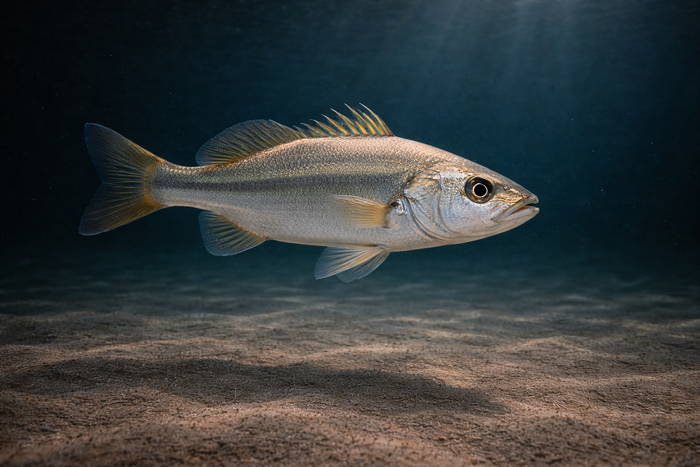
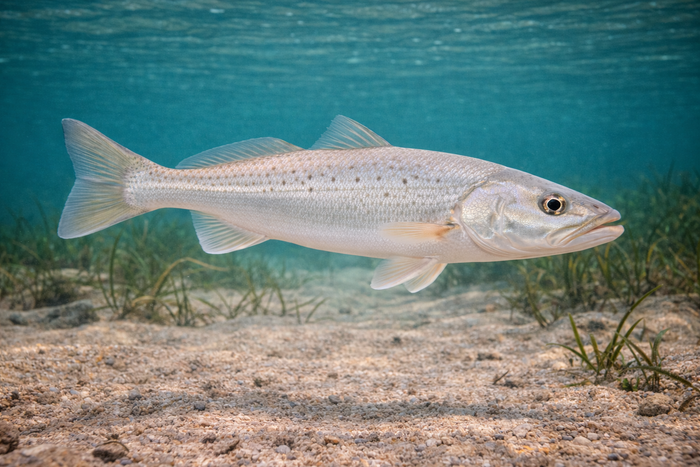
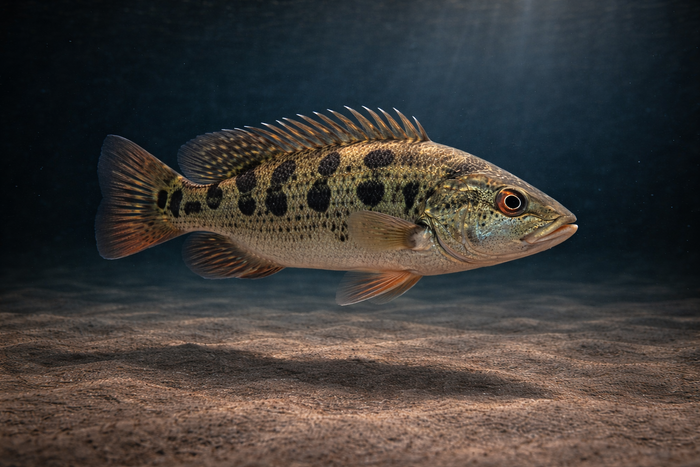
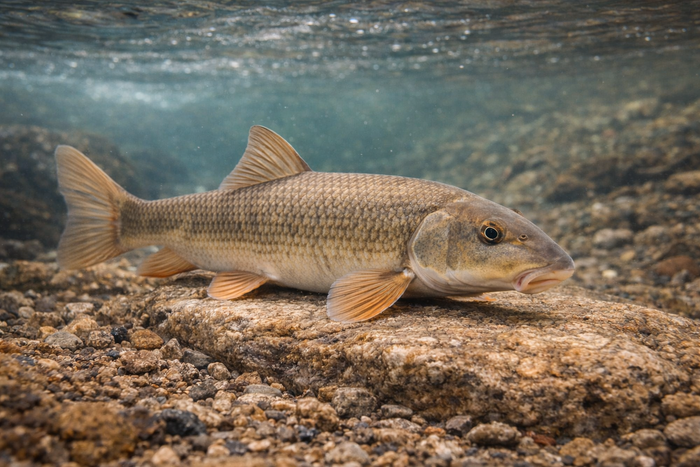
First off, the Freshwater Drum’s claim to fame is its ability to “grunt.” This sound is produced by specialized muscles vibrating against its swim bladder, essentially turning the fish into a natural underwater percussionist. This vocalization is believed to play a role in communication and possibly mating, though the full story is still a bit murky. Beyond the noise, the Drum sports a deep, laterally compressed body covered in rough scales and boasts a single long dorsal fin that runs most of its back. Its coloration is generally silvery-gray, helping it blend into the murky bottoms it prefers.
Unlike many freshwater fish, the Freshwater Drum is a bottom feeder with a diet that includes a mix of mollusks, insect larvae, and small fish. Its pharyngeal teeth are specially adapted to crush hard-shelled prey, making it a key predator of invasive zebra and quagga mussels in some regions. This crushing ability also means it plays a unique role in controlling certain invertebrate populations.
Habitat & Global Range
Freshwater Drum habitat spans a broad range across North America, from the Mississippi River basin to the Great Lakes and even parts of Canada. They thrive in large rivers, reservoirs, and lakes, preferring deep, slow-moving waters with soft, muddy, or sandy bottoms. This preference for bottom habitats explains their feeding habits and their tendency to stay out of the spotlight compared to more surface-oriented fish.
Their range is impressive. Freshwater Drum are found from the Gulf of Mexico northward into Canada, making them one of the most widely distributed freshwater fish species on the continent. They tolerate a variety of water conditions, including brackish waters near river mouths, which speaks to their adaptability. This broad distribution also means they encounter a variety of environmental pressures and ecological niches.
Behavior & Temperament
Freshwater Drum are mostly nocturnal or crepuscular feeders, meaning they do their best hunting at dawn, dusk, or night. They use their keen sense of smell and taste to locate prey buried in sediment. Despite their grunting reputation, they are not aggressive toward humans or other fish unless provoked. Anglers often find them to be stubborn fighters once hooked, adding a layer of challenge and respect.
Socially, Freshwater Drum tend to school in large groups, especially during spawning season in late summer. Their reproductive behavior includes broadcast spawning, where females release eggs into the water column and males fertilize them externally. This strategy relies on sheer numbers to ensure survival rather than parental care.
Ecological Importance
Freshwater Drum play a critical role in freshwater ecosystems. By feeding on benthic invertebrates and mollusks, they help regulate populations that could otherwise explode and disrupt the balance of aquatic habitats. Their predation on invasive mussels is particularly noteworthy, as these mussels can cause significant ecological and economic damage.
Moreover, Freshwater Drum serve as prey for larger predatory fish and birds, making them an integral link in the food web. Their presence indicates a healthy benthic environment, as they rely on clean, oxygenated substrates to find food. In some systems, they are considered a keystone species because their feeding habits influence the distribution and abundance of other aquatic organisms.
Conservation & Environmental Pressures
While the Freshwater Drum is not currently listed as threatened or endangered, it faces challenges from habitat degradation, pollution, and waterway modifications like dams and channelization. These changes can alter the sediment composition and water flow, directly impacting their preferred habitat and food sources.
Invasive species, ironically, are both a threat and a boon. Zebra and quagga mussels provide a food source but also compete for resources and alter ecosystems in ways that may eventually harm the Drum’s habitat. Pollution, particularly from agricultural runoff, can lead to hypoxic conditions that stress or kill bottom-dwelling fish.
Conservation efforts focus on maintaining water quality and natural river dynamics to support the diverse habitats Freshwater Drum require. Monitoring populations helps detect shifts that could signal broader environmental problems.
The FishyAF Take
The Freshwater Drum is an underrated heavyweight of North American freshwater systems. It’s not flashy, but it’s fascinating—an acoustic oddity with a crushing bite and a vital ecological role. If you want to talk about resilience and adaptability, this fish ticks all the boxes. It’s a reminder that sometimes the most interesting fish aren’t the ones jumping out of the water or flashing bright colors, but the ones quietly grunting along the riverbed, keeping ecosystems in check.
For anglers and biologists alike, Freshwater Drum facts reveal a species that deserves more respect and attention. Its broad habitat range, unique communication, and ecological impact make it a standout player in freshwater environments. Next time you’re near a river or lake, remember the Freshwater Drum is probably lurking below, grunting its way through life and quietly shaping the underwater world.